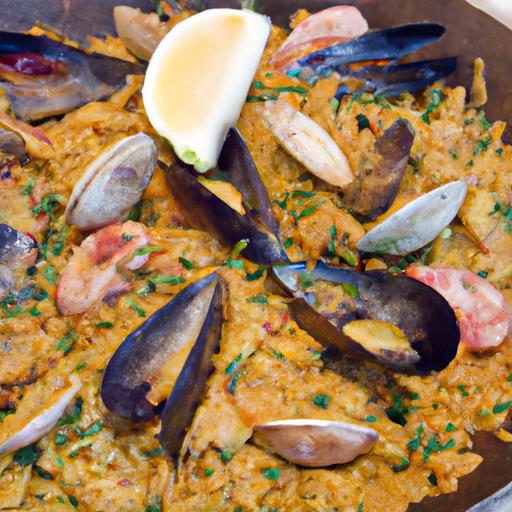


In the heart of Spain’s sun-drenched coasts and lively plazas simmers a dish that is as vibrant and complex as the culture from which it springs-paella. More than just a meal, paella is a tapestry of history, tradition, and regional pride, woven together with threads of saffron-infused rice, fresh seafood, tender meats, and a chorus of rustic vegetables. From its humble origins in the fields of Valencia to its status as a global culinary icon, paella tells a story of community, celebration, and the timeless art of sharing good food. Join us as we uncover the layers of flavor and heritage behind Spain’s beloved paella, diving into the secrets that make this iconic dish a symbol of Spanish identity and passion.
Origins and Evolution of paella: Journey Through spain’s Regional Variations, Essential Ingredients, and Mastering the Art of Cooking Perfect Paella at Home
Paella Uncovered: Spain’s Iconic Dish of Flavor and Tradition starts with a captivating story that transcends borders-a culinary masterpiece born from humble beginnings in the Valencian fields. This vibrant rice dish harmonizes the bounty of land and sea, offering a taste of Spanish heritage with every golden grain. As you embark on this flavorful journey, you’ll discover how paella’s rich tapestry weaves through Spain’s regions, evolving into unique local expressions while staying true to its essential ingredients.
Prep and Cook Time
- Preparation: 20 minutes
- Cooking: 40 minutes
- Total Time: 1 hour
yield
Serves 4 generous portions
Difficulty Level
Medium – Perfect for adventurous home cooks ready to impress
Ingredients
- 2 cups bomba or short-grain Spanish rice
- 4 cups homemade chicken broth, gently simmered for depth
- 1/4 cup extra virgin olive oil
- 1 medium onion, finely diced
- 4 cloves garlic, minced
- 1 large ripe tomato, grated for fresh tomato base
- 1 teaspoon smoked paprika (pimentón)
- 1/2 teaspoon saffron strands, soaked in 2 tablespoons warm broth
- 1 red bell pepper, roasted and sliced
- 12 large shrimp, peeled and deveined
- 8 mussels, cleaned
- 8 clams, scrubbed
- 2 chicken thighs, skin-on, cut into chunks
- Frozen peas, a handful for color and sweetness
- Salt and freshly ground black pepper, to taste
- Lemon wedges, for garnish
- Fresh parsley, chopped for garnish
Instructions
- Preheat a paella pan or wide, heavy skillet over medium heat and warm the olive oil until shimmering.
- Brown the chicken thighs on all sides until golden, about 6-7 minutes. Remove and set aside.
- Sauté the onion and garlic in the same pan,stirring frequently until soft and translucent,approximately 5 minutes.
- Add the grated tomato and cook down for 4-5 minutes until it thickens into a luscious sofrito base.
- Stir in the smoked paprika and saffron-infused broth, allowing the aromas to awaken and infuse the sofrito with warmth and color.
- Add the rice directly to the pan,stirring briefly to coat every grain with the fragrant sofrito for about 2 minutes.
- Return the chicken pieces to the pan and pour in the chicken broth. Season with salt and pepper carefully.
- Simmer gently uncovered without stirring – this crucial step helps form the prized ‘socarrat’ (crispy bottom layer) – for 15 minutes, adjusting heat to maintain a gentle simmer.
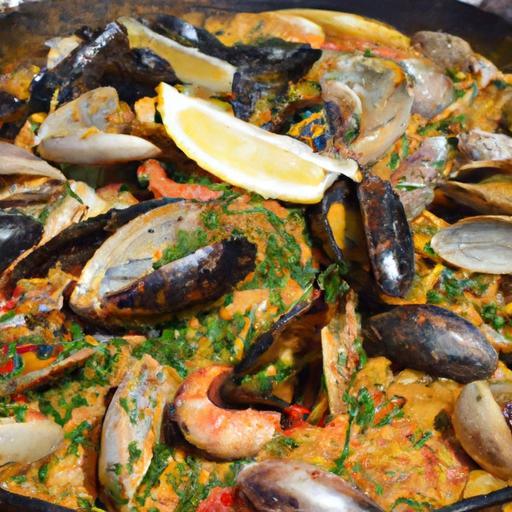
- Arrange the shrimp,mussels,clams,peas,and roasted red pepper slices on top artistically. Cover loosely with foil or a lid and cook for an additional 10 minutes until shellfish open and shrimp turn pink.
- Remove from heat and let rest for 5 minutes before serving to allow flavors to meld.
- Garnish with lemon wedges and chopped parsley for a fresh,vibrant finish.
Tips for Success
- Rice Matters: Use authentic bomba or another short-grain rice to achieve that perfect al dente texture and absorb every drop of flavor.
- Broth Magic: Homemade chicken broth is your secret weapon for depth-avoid store-bought if you can.
- No Stirring: Resist stirring after adding the liquid; this helps form the treasured socarrat that adds crunch and character.
- Saffron Soak: Steeping saffron strands in warm broth before adding ensures maximum color and aroma distribution.
- Seafood Variations: Feel free to swap shrimp for monkfish or add calamari rings to customize regional expressions from Spain’s coastal towns.
- Advance Prep: The sofrito can be prepared a day ahead and refrigerated-simply add the fresh rice and broth when ready to cook.
- Fire Control: Controlling heat is essential-too high and liquid evaporates too quickly; too low and rice boils without crust formation.
Serving Suggestions
This stunning paella is best served straight from the pan at the table, inviting guests to savor each colorful section bursting with textures. Accompany with a crisp green salad dressed in sherry vinegar and olive oil for balance. Fresh lemon wedges not only brighten the palate but give an interactive zest burst, while finely chopped parsley adds a fragrant herbal finish. Pair with an ice-cold sparkling water or conventional Spanish horchata for a refreshing complement.

| Nutritional Info (per serving) | Amount |
|---|---|
| Calories | 540 kcal |
| Protein | 38 g |
| Carbohydrates | 60 g |
| fat | 14 g |
For further exploration of Spanish culinary wonders,check our guide to Spanish cooking techniques.To deepen your knowledge on saffron and its uses, visit Saffron Board of Spain.
Q&A
Q&A: paella Uncovered: Spain’s Iconic Dish of Flavor and Tradition
Q1: What exactly is paella, and why is it considered a symbol of Spanish cuisine?
A: paella is a vibrant, saffron-infused rice dish originating from the Valencia region of Spain. More than just a meal, it’s a culinary celebration of local ingredients and communal dining. With its golden crust, colorful medley of seafood, vegetables, and spices, paella captures the essence of Spanish culture-rich history, regional pride, and a zest for shared experiences.
Q2: How did paella become such an emblematic dish in Spain?
A: Paella’s roots go back to the rural farmers and fishermen of Valencia, who cooked simple meals over open fires, using what the land and sea provided. Over centuries, this humble dish evolved, weaving local traditions and changing tastes into what many now recognise as Spain’s national treasure. Its communal nature, cooked in wide, shallow pans, symbolizes hospitality and togetherness.
Q3: What are the key ingredients that make a paella authentic, and why?
A: The heart of an authentic paella lies in its rice-usually a short-grain variety like Bomba or Calasparra-chosen for its ability to absorb flavors without becoming mushy. saffron is the soul spice, imparting paella’s signature golden hue and subtle aroma. Classic versions often feature a mixture of fresh seafood, rabbit, chicken, green beans, and tomatoes, reflecting the bounty of Valencia’s land and coast.
Q4: Can you explain the importance of the socarrat in paella?
A: The socarrat is the prized crispy layer of rice that forms on the bottom of the paella pan during cooking. Frequently enough described as the “crown jewel” of the dish, it requires careful heat management and timing to perfect. This slightly toasted, caramelized crust adds texture and a nutty depth of flavor, delighting diners who savor every crunchy bite.
Q5: How does regional variation influence the style of paella in Spain?
A: Spain’s diverse geography inspires diverse paellas! While Valencian paella sticks to traditional ingredients like chicken and snails, coastal regions often highlight the freshest seafood-mussels, clams, shrimp, and squid-in their versions. Inland areas may incorporate seasonal vegetables or game, crafting unique interpretations that celebrate local produce and seasonality.
Q6: What cooking tools are essential for making paella at home?
A: The star tool is the paella pan-wide, shallow, and with two handles-designed to cook rice evenly while maximizing surface area, crucial for that all-crucial socarrat. A sturdy heat source is also needed, preferably an open flame or grill, to distribute heat evenly. Beyond these, patience, a spoon, and a sprinkle of passion complete the toolbox.
Q7: How can one recreate the authentic flavor of paella while cooking outside of Spain?
A: The secret lies in sourcing the freshest ingredients possible-quality rice, seafood, seasonal vegetables-and honoring the slow simmer that allows flavors to meld. Using saffron or a saffron substitute ensures that distinctive aroma and color. Cooking over steady, even heat and resisting the urge to stir constantly helps develop the perfect socarrat and unified taste.
Q8: is paella suitable for vegetarian or vegan diets?
A: Absolutely! Paella is remarkably versatile. A vegetarian paella might celebrate garden treasures like artichokes, bell peppers, green beans, tomatoes, and garrofó beans. Using vegetable broth and embracing a bold array of spices and fresh herbs creates a layered, satisfying dish that honors the spirit of tradition while embracing modern dietary choices.
Q9: What cultural rituals or occasions are associated with paella in Spain?
A: Paella is more than food; it’s an event. Often prepared outdoors during festivals, family gatherings, or Sunday celebrations, its cooking is a social ritual inviting everyone to gather around the pan, share stories, and enjoy the moment. This communal aspect reinforces paella’s role in building bonds and celebrating life’s simple pleasures.
Q10: How has paella influenced global cuisine and culinary creativity?
A: Paella’s vibrant colors, bold flavor combinations, and communal ethos have inspired chefs worldwide to experiment and adapt the dish to local tastes and ingredients. From vibrant vegetable-packed versions in urban kitchens to adventurous seafood blends along coasts far from Spain, paella’s spirit continues to ignite creativity, inviting food lovers everywhere to taste a piece of Spanish tradition.
To Wrap It Up
As the sun sets over Spain’s vibrant coastlines and bustling plazas, paella remains more than just a dish – it is a tapestry woven with history, culture, and the unmistakable aroma of saffron and sea breeze. Each spoonful offers a journey through time and tradition, a flavorful celebration of the land and its people. whether savored at a family gathering or discovered in a quaint village kitchen, paella invites us all to experience the heart of Spain, one bite at a time. So,next time you sit down to this iconic feast,remember: you’re not just enjoying a meal-you’re partaking in a timeless story of flavor and heritage.