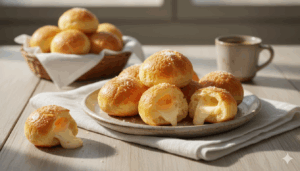

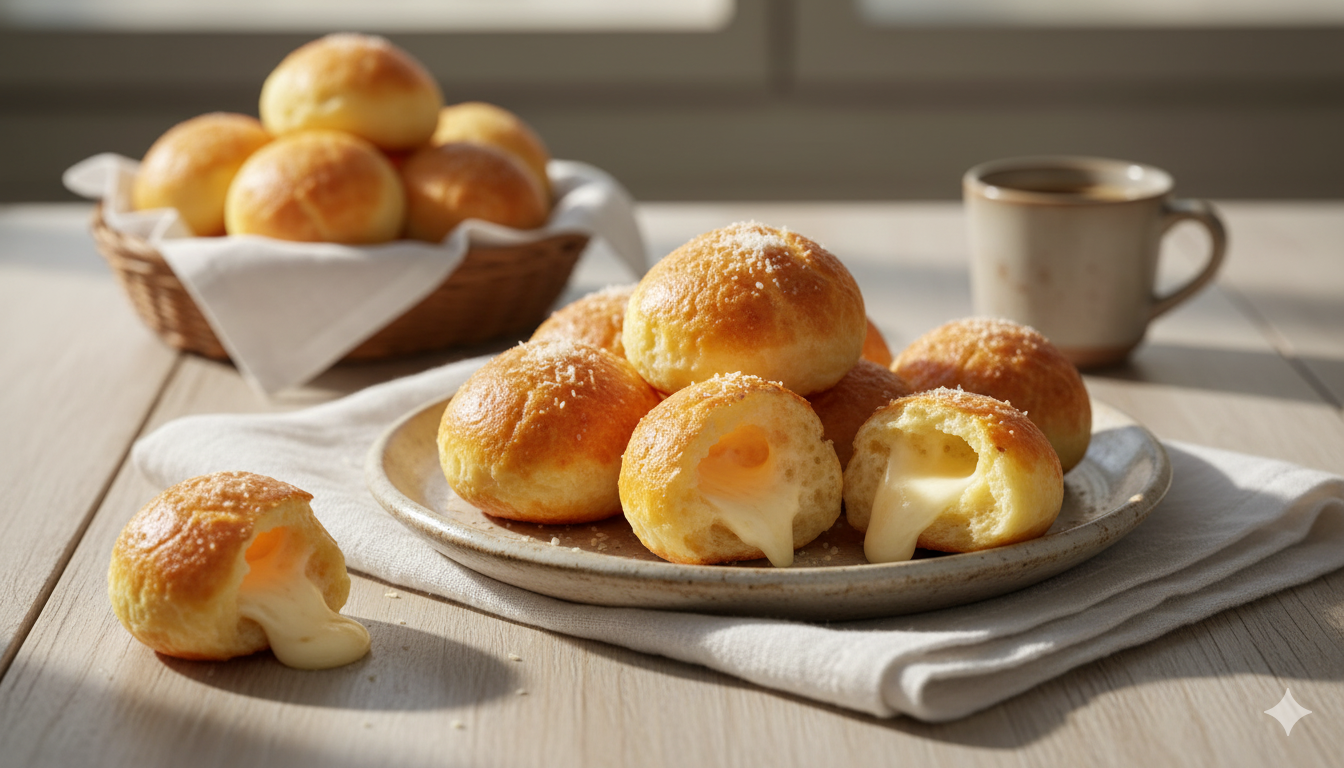
Golden, fluffy, adn irresistibly cheesy-Pão de Queijo is more than just a bread; it’s a beloved symbol of Brazilian culture and comfort. this small,round delight,with its crisp exterior and soft,chewy inside,has captured teh hearts and palates of people across Brazil and beyond. Rooted in centuries-old traditions and crafted from simple ingredients like cassava flour and queijo Minas, Pão de Queijo tells a story of regional heritage and culinary ingenuity. in this article, we’ll take a flavorful journey through the origins, preparation, and cultural meaning of Brazil’s iconic cheesy bread, uncovering why it continues to be a treasured snack at breakfast tables and street corners alike.
Origins and Cultural Significance of Pão de Queijo in Brazilian Cuisine
Pão de Queijo, Brazil’s beloved cheesy bread delight, is much more than a simple snack-it’s a cherished cultural symbol woven into the fabric of Brazilian daily life. Originating in the southeastern state of Minas Gerais, this small yet flavorful bread dates back to the 18th century, born from indigenous cassava starch combined with Portuguese cheese traditions. Traditionally, it was a humble farmers’ sustenance, appreciated for its convenience, long shelf life, and satisfying cheese-rich taste. Today, it represents warmth, hospitality, and a gathering point for family and friends across Brazil, often enjoyed during breakfast or afternoon coffee breaks.
The unique blend of indigenous and European culinary influences makes this dish a living testament to Brazil’s rich and diverse heritage. Its popularity has transcended borders, introducing food lovers worldwide to its irresistibly chewy and cheesy character, making Pão de Queijo a true ambassador of Brazilian comfort food.
Prep and Cook Time
- preparation Time: 15 minutes
- Cooking Time: 25 minutes
- Total Time: 40 minutes
Yield
Makes approximately 24 small rolls (bite-sized)
Difficulty Level
Easy to Medium – Perfect for beginner bakers eager to master a traditional Brazilian recipe with simple ingredients and rewarding results.
Choosing the Best ingredients for Authentic Pão de Queijo at Home
Mastering the perfect Pão de Queijo starts with selecting the right ingredients. The backbone of this recipe is tapioca starch, also known as cassava flour, which contributes its signature chewy texture. Opt for a fine, high-quality tapioca starch for a smoother dough. The cheese is vital: Minas cheese is traditional, but you can also use a firm, slightly salty cheese like parmesan or mozzarella blends; avoid overly moist cheeses-dry, aged cheeses yield better results.
Fresh, whole milk and high-quality vegetable oil impart richness and tender crumb, while eggs bind and provide structure. Using room-temperature eggs helps incorporate air, keeping the interior light. Lastly, a pinch of salt balances the cheese’s natural saltiness without overwhelming the palate.
Ingredients
- 1 cup whole milk
- 1/2 cup vegetable oil
- 1 teaspoon fine salt
- 2 cups tapioca starch (preferably fine-grain)
- 2 large room-temperature eggs
- 1 1/2 cups grated parmesan cheese (or aged Minas cheese if available)
Instructions
- Preheat your oven to 375°F (190°C). Line two baking sheets with parchment paper or use silicone mats for easy release.
- In a medium saucepan, combine the milk, vegetable oil, and salt. Bring to a simmer over medium heat, stirring occasionally-do not boil.
- Once hot, remove from heat and instantly add the tapioca starch all at once. Stir vigorously with a wooden spoon until the mixture comes together into a sticky, elastic dough. Let it rest for 10 minutes to cool slightly.
- Transfer dough to a large mixing bowl. Add the eggs one at a time, mixing vigorously (with a hand mixer or strong whisk) after each addition. The dough will be sticky and shaggy but should combine smoothly after adding all eggs.
- Fold in the grated cheese until fully incorporated, making sure no large lumps remain. The dough should be thick,stretchy,and a bit tacky.
- With wet hands, roll dough into small balls (about 1 1/2 inches diameter) and arrange them spaced about 1 1/2 inches apart on the baking sheets.
- Bake for 20-25 minutes, or until the cheese breads are puffed and golden on top. Avoid opening the oven frequently to prevent collapsing.
- Remove from oven and let cool slightly before serving for the best chewy texture.
chef’s Notes and Tips for Success
- Cheese Variations: Experiment with Gouda or Asiago for nuanced flavor changes, keeping the ratio similar to maintain chewiness.
- Storage: Store baked pão de queijo in airtight containers for up to 2 days, then reheat in a hot oven to revive crispness.
- Make-Ahead Dough: Bake immediately for best texture, but dough can be refrigerated for 1 day.Bring back to room temperature before shaping.
- Sticky Dough Handling: Keep hands lightly oiled or wet when shaping to prevent sticking and achieve smooth balls.
- Gluten-Free Bonus: Naturally gluten-free, so perfect for those with gluten sensitivities.
- Achieving Perfect Texture: The combination of tapioca starch’s gelatinization and protein from eggs and cheese creates the signature airy, chewy interior and crispy exterior.
Creative Twists and Serving Suggestions to Elevate Your Cheese Bread Experience
After mastering the classic pão de queijo, try some delightful twists to surprise your palate.Infuse the dough with finely chopped fresh herbs like rosemary or oregano for an aromatic touch. Mixing in small bits of sautéed garlic or green onion enhances umami without overshadowing the cheese flavor.
For a colorful presentation, serve these golden gems drizzled with a honey chile glaze or alongside a tangy mango salsa for a sweet-spicy balance. Pair with Brazil’s favorite coffee or a fruity tropical juice to complete the authentic experience.
For gatherings, stuff the dough balls with a bit of cream cheese or sun-dried tomato before baking. These melty, creamy pockets not only add surprise but also elevate the texture contrast beautifully.
This cheesy bread also pairs wonderfully with Brazilian stews such as Feijoada, absorbing flavors while adding a crunchy-chewy bite.

| Nutrient | Per Serving (1 roll) |
|---|---|
| Calories | 75 kcal |
| Protein | 3 g |
| Carbohydrates | 8 g |
| Fat | 4 g |
for more rich culinary traditions from Brazil and tips to perfect heritage recipes, be sure to explore our detailed overview of pão de queijo at Britannica.
Q&A
Q&A: Pão de Queijo – Brazil’s Beloved Cheesy Bread Delight
Q: What exactly is Pão de Queijo?
A: Pão de Queijo,which translates to “cheese bread” in Portuguese,is a small,fluffy,and irresistibly cheesy bread roll that hails from Brazil. Made primarily with tapioca flour and cheese, it has a unique chewy texture and a golden crust that makes it a beloved snack across the country.
Q: Were did Pão de Queijo originate?
A: This iconic treat originated in the Brazilian state of Minas Gerais, known for its rich cheese tradition. Minas Gerais cheese, often Minas cheese or a similar fresh cheese, is the classic choice that gives Pão de Queijo its distinctive flavor and aroma.
Q: What makes Pão de Queijo different from othre cheese breads?
A: Unlike breads made with wheat flour, Pão de Queijo uses tapioca flour from cassava root, which gives it a naturally gluten-free appeal and a chewy, airy texture that’s both crisp on the outside and tender on the inside. Its simplicity – just a few ingredients blending into a perfect bite – is part of its charm.
Q: How is Pão de Queijo traditionally made?
A: The batter starts with heating milk, oil, and salt, then mixing in tapioca flour to create a gooey dough.When this dough cools, eggs and shredded cheese are folded in before shaping the dough into small rounds. They’re baked until puffed and golden, frequently enough served fresh out of the oven.
Q: what kinds of cheese are typically used in Pão de Queijo?
A: Traditionally, fresh Minas cheese is used, prized for its mild, creamy taste that melts beautifully. However, depending on availability, many cooks substitute with Parmesan, mozzarella, or a blend of cheeses to mimic the classic flavor profile.
Q: Can Pão de Queijo be enjoyed at any time of day?
A: Absolutely! Pão de Queijo is wonderfully versatile – perfect for breakfast alongside coffee, as a mid-afternoon snack, or served warm alongside savory meals. Its irresistibly cheesy goodness makes it a crowd-pleaser at any time.
Q: Is Pão de Queijo gluten-free?
A: Yes! Because it is made with tapioca flour instead of wheat flour, Pão de Queijo is naturally gluten-free, making it a great option for those with gluten sensitivities or celiac disease.
Q: How can someone outside Brazil enjoy making Pão de Queijo at home?
A: Tapioca flour and cheese are usually the only special ingredients required and can be found in many international or specialty grocery stores. With a simple recipe and a bit of practice, anyone can bring a taste of Brazil’s cheesy delight to their kitchen.
Q: Are there savory variations of Pão de Queijo beyond the classic recipe?
A: Yes! Some creative bakers add herbs like rosemary or oregano, spices such as paprika, or even small bits of sautéed vegetables to add depth to the flavor.But the traditional charm lies in the perfect balance of tapioca starch and cheese.
Q: What makes Pão de Queijo such a cherished part of Brazilian culture?
A: Beyond its tasty taste,Pão de Queijo carries the heart of Brazilian hospitality and tradition.It’s a symbol of warmth, shared moments, and regional pride – a small bite loaded with history and love that unites families and friends across generations.
Key takeaways
From its golden, crispy exterior to its warm, gooey heart, Pão de Queijo captures the very essence of Brazilian comfort food. This humble cheesy bread is more than just a snack-it’s a delicious storyteller, weaving together centuries of tradition, regional flavors, and the simple joy of sharing. Whether enjoyed fresh from the oven in a bustling São Paulo café or recreated in kitchens around the world, Pão de Queijo remains a beloved symbol of Brazil’s rich culinary heritage. So next time you take a bite of this irresistible treat, remember: you’re tasting a little piece of Brazil’s soul, one cheesy, chewy morsel at a time.