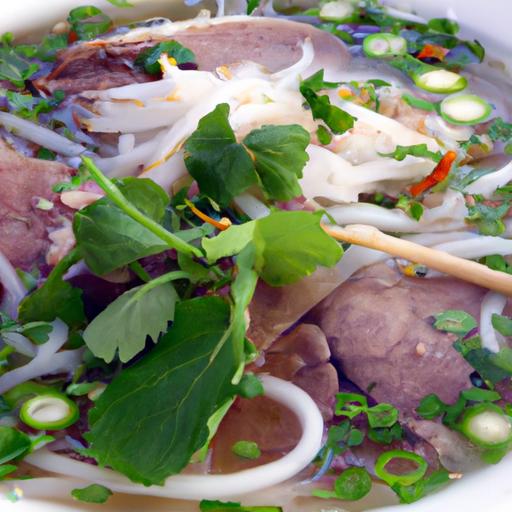

In teh vibrant tapestry of global cuisine, few dishes possess the quiet magic of pho-a steaming bowl of fragrant broth, tender noodles, and delicate herbs that has captured hearts far beyond it’s Vietnamese origins. Pho is more than just a meal; it is indeed a symphony of flavors and a storyteller’s tradition, weaving together history, culture, and comfort in every spoonful. As the aromatic steam rises, it invites you to discover the soul behind this iconic bowl-a soulful concoction that warms not only the body but also the spirit. Join us as we unveil pho’s rich heritage, its intricate planning, and the profound reasons why this humble Vietnamese dish continues to enchant taste buds and kindle warmth across the world.
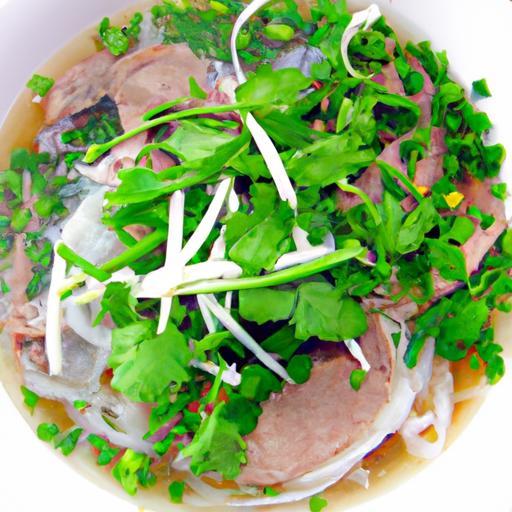
Pho Unveiled reveals the heart and soul of Vietnam in a steaming bowl filled with aromatic broth, tender rice noodles, and vibrant herbs that awaken the senses. This beloved dish is more than just a meal-it’s a cultural icon with a rich history intertwined with the resilience and spirit of the Vietnamese people. The origins of pho trace back to Northern Vietnam in the early 20th century, where humble street vendors crafted it as a nourishing, affordable breakfast for laborers. Over time, pho evolved, adapting to regional tastes and ingredient availability, blossoming into the vibrant, aromatic bowl treasured worldwide today.
Prep and Cook Time
- Preparation: 45 minutes (includes ingredient prep and toasting spices)
- Cooking: 6 hours (simmering the broth for maximum depth)
Yield
4 generous servings
Difficulty Level
Advanced (for best results,patience and attention to detail are key)
Essential Ingredients for Crafting Authentic Pho
- 5 lbs beef bones (preferably a mix of marrow and knuckle bones,blanched)
- 2 lbs beef brisket or sirloin,thinly sliced against the grain
- 1 large yellow onion,halved and charred
- 1 large piece of ginger (about 4 inches),split and charred
- 5 star anise pods
- 2 cinnamon sticks
- 4 cloves
- 1 tablespoon coriander seeds
- 1 tablespoon fennel seeds
- 1 tablespoon rock sugar or substitute with regular sugar
- 1/4 cup fish sauce
- Salt to taste
- 1 lb dried flat rice noodles (bánh phở)
- Fresh herbs: Thai basil,cilantro,sawtooth herb
- Lime wedges
- Thinly sliced red onions (soaked in cold water for mildness)
- Bean sprouts,washed and drained
- Fresh jalapeño or Thai bird chilies,sliced
- Hoisin sauce and Sriracha for serving (optional)
Step-by-Step Instructions for Mastering the Pho Broth
- Prepare the bones: Rinse beef bones under cold water. Place in a large stockpot, cover with cold water, and bring to a rolling boil for 10 minutes to purge impurities.drain and rinse bones thoroughly to ensure a clear broth.
- Char aromatics: While bones blanch, char the halved onion and ginger over an open flame or under the broiler until deeply blackened on the surface, enhancing smoky complexity.
- Toast spices: In a dry skillet over medium heat, toast star anise, cinnamon sticks, cloves, coriander, and fennel seeds, stirring frequently until fragrant-about 3 to 5 minutes.
- simmer broth: Return cleaned bones to the stockpot, fill with 6 quarts of fresh water. Add charred onion,ginger,toasted spices (in a spice sachet if preferred),rock sugar,and fish sauce. Bring to a gentle boil, then reduce to a slow simmer.Skim off any scum every 30 minutes to maintain clarity.
- Cook low and slow: Let the broth simmer for at least 6 hours, uncovered, to extract deep flavor and gelatin from the bones. This is the soul of your pho bowl, so patience is rewarded.
- Strain and season: Remove bones and aromatics. Strain broth through a fine sieve lined with cheesecloth if possible. Taste and season lightly with salt and extra fish sauce as needed.
- Prepare noodles: Soak dried bánh phở noodles in warm water for 30 minutes or cook according to package instructions just before serving.Drain and set aside.
- Assemble bowls: Place a handful of noodles in each serving bowl. Top with thin beef slices (they’ll gently cook when hot broth is poured over).
- Final touch: Ladle boiling-hot broth over the noodles and beef, then garnish with bean sprouts, fresh herbs, lime wedges, chili slices, and red onions. Serve immediately with hoisin and sriracha on the side.
Tips for Pho Unveiled Success
- Broth clarity: Skimming regularly keeps the broth pure and stunning. Avoid stirring during simmering.
- Char aromatics fully: The smoky hint is key to pho’s unmistakable character.
- Use beef brisket or sirloin: These cuts remain tender yet firm in hot broth, perfect for balance.
- Spice sachet: Wrapping toasted spices in cheesecloth allows easier removal and reduces sediment.
- Make ahead: The broth tastes even richer the next day; cool and refrigerate overnight before straining.
- vegetarian option: For a plant-based alternative, use dried shiitake mushrooms and kombu kelp to create umami depth (skip beef bones).
Serving Suggestions to Elevate Your Pho Experience
To present pho authentically, lay out a vibrant platter of herbs including Thai basil, culantro (sawtooth herb), and mint alongside bean sprouts and lime wedges. Encourage diners to customize their bowls-adding a squeeze of fresh lime to brighten, fresh chili to spark heat, or a dollop of hoisin for a sweet-savory lift. Pair pho with warm jasmine tea or a light Vietnamese iced coffee to complement the flavors. For a touch of modern comfort, consider serving pho with a crisp, lightly salted crunchy crouton or bánh mì on the side, enhancing the experience with contrasting textures.

Nutritional Data per Serving
| Calories | Protein | Carbs | fat |
|---|---|---|---|
| 350 kcal | 28 g | 38 g | 7 g |
For additional insights into Vietnamese cooking techniques and herbs that enhance pho, check out our complete Vietnamese herbs guide. To dive deeper into the cultural roots and history of pho, the article by National Geographic here is an excellent resource.
Q&A
Q&A: Pho Unveiled: The Soulful Vietnamese Bowl That Warms Hearts
Q1: What is pho, and why is it considered the soul of Vietnamese cuisine?
A1: Pho is a fragrant, comforting Vietnamese noodle soup that combines silky rice noodles, aromatic broth, fresh herbs, and tender slices of meat or tofu. It’s more than just a meal-it’s a cultural emblem, a dish that unites families and friends around a steaming bowl of warmth and tradition. Pho’s soulfulness comes from its balance of flavors and its deep roots in Vietnam’s culinary history, making every slurp a moment of pure connection.
Q2: how is the iconic pho broth made?
A2: The broth is the heart and soul of pho. Traditionally simmered for hours, it is crafted by slowly extracting rich flavors from beef bones infused with charred onions, ginger, and a symphony of spices like star anise, cinnamon, and cloves. This careful, slow cooking process results in a crystal-clear yet deeply savory broth that carries layers of warmth and complexity in every spoonful.
Q3: What kinds of meat or protein are typically used in pho?
A3: Classic pho frequently enough features tender cuts of beef, ranging from thinly sliced raw eye round that gently cooks in the piping-hot broth, to brisket and beef meatballs that add texture and depth. For those who prefer plant-based options, silky tofu or mushrooms can be wonderful substitutes, delivering satisfying umami without compromising the dish’s essence.
Q4: Why are fresh herbs and garnishes so crucial to pho?
A4: Pho is a sensory experience, and its fresh garnishes are what bring the bowl to life. A handful of Thai basil, crispy bean sprouts, bright cilantro leaves, fresh lime wedges, and slices of fiery chili amplify the broth’s richness with bursts of freshness, crunch, and heat. These raw ingredients invite each diner to customize their bowl, creating a personal harmony of flavors.
Q5: What makes pho a perfect dish for any time of day?
A5: Pho’s versatility and soulful warmth make it a beloved breakfast, lunch, or dinner staple. It’s light enough to start the day,yet nourishing and hearty enough to satisfy a hungry evening appetite. Each bowl carries a gentle energy boost, soothing the spirit and inviting tranquility amidst a busy day.
Q6: How has pho evolved outside of Vietnam?
A6: Around the world, pho has become a culinary ambassador for Vietnamese cuisine, inspiring chefs to innovate while honoring tradition. Contemporary versions may feature alternative proteins, creative broths, or fusion toppings, but the essence remains-a festivity of comfort, culture, and the alchemy of simple ingredients transformed into a timeless, heartwarming bowl.
Q7: Can pho be made vegetarian or vegan without losing its soulful character?
A7: Absolutely! A vegetarian or vegan pho broth often begins with a deep vegetable stock enriched by charred vegetables, seaweed, and those same beloved spices. Paired with tofu, mushrooms, and abundant herbs, it achieves that signature warmth and layered flavor, proving pho’s true magic lies in balance and intention, rather than any single ingredient.
Q8: What advice would you give someone trying to make pho at home for the first time?
A8: patience and attention are your best friends. Focus on building a clear, fragrant broth by simmering slowly and skimming impurities. Don’t rush the charred aromatics-they add smokiness and depth. And most importantly, gather fresh herbs and make your bowl your own with the perfect sprinkle of lime, chili, and bean sprouts. Making pho is an act of love,and the process itself nourishes as much as the final dish.
Final Thoughts
As the steam rises gently from a bowl of pho, so too does a story steeped in tradition, culture, and comfort. Pho is more than just a dish; it’s a culinary embrace that warms not only the body but also the soul. From its humble origins to its global acclaim,this iconic Vietnamese bowl continues to connect people across continents,inviting us all to savor the rich,aromatic broth and the layers of history within. Whether enjoyed on a bustling street corner in Hanoi or recreated in a cozy kitchen thousands of miles away,pho remains a timeless symbol of warmth,resilience,and the simple joy found in a well-crafted meal. So next time you lift your spoon and inhale that fragrant broth, remember: you’re partaking in a tradition that has warmed hearts for generations.