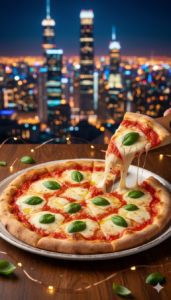



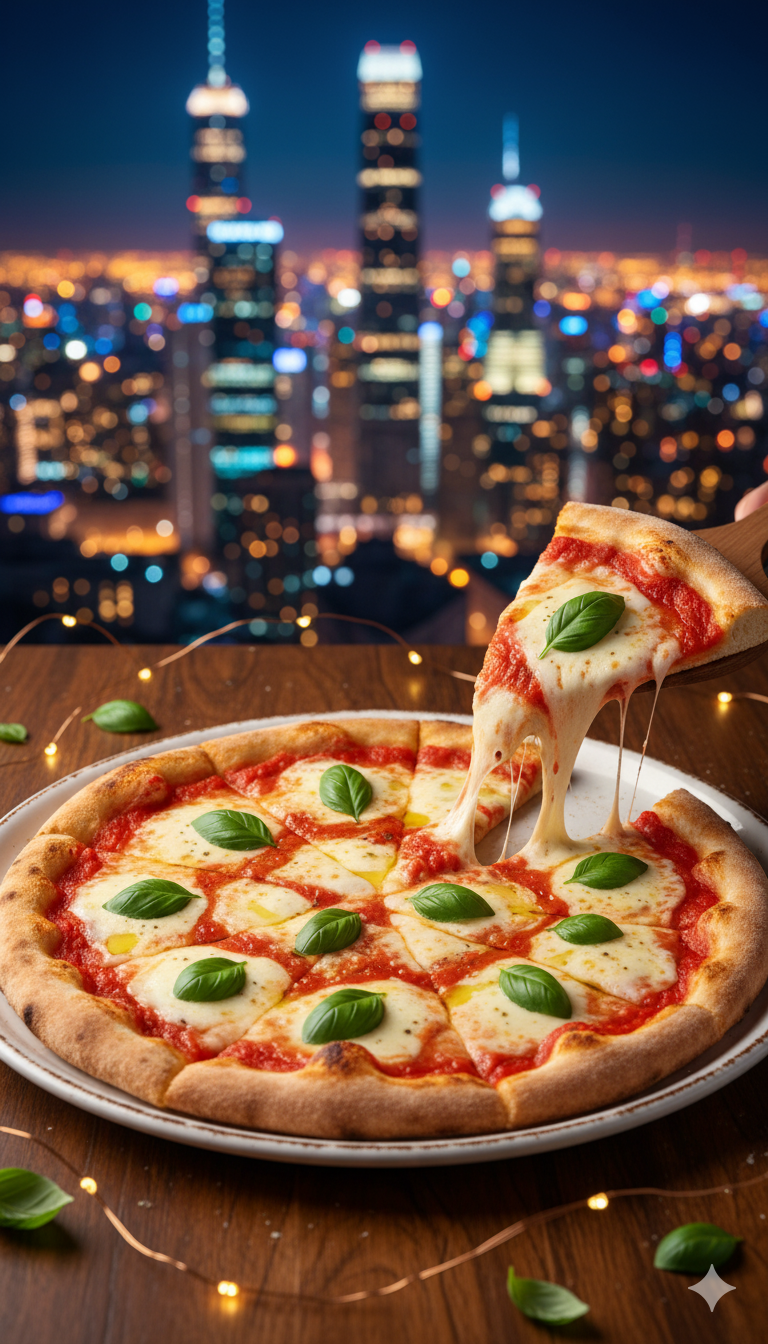
Few dishes embody the essence of simplicity and tradition quiet like Pizza Margherita. With its vibrant splash of red tomatoes, creamy mozzarella, fresh basil leaves, and a golden, crispy crust, this iconic Italian creation transcends time and trends, captivating taste buds around the world. More than just a meal, Pizza Margherita is a culinary classic that tells a story of heritage, artistry, and the pure joy of honest ingredients.In exploring its origins, enduring appeal, and cultural importance, we uncover why this humble pizza continues to hold a special place on menus-and in hearts-century after century.
Pizza Margherita stands as a beacon of culinary simplicity and vibrant flavor, rooted firmly in Italian tradition and beloved across the world.Originating from Naples in the late 19th century, this iconic dish was designed to represent the colors of the Italian flag-ripe red tomatoes, creamy white mozzarella, and fresh green basil. The harmony of these authentic ingredients creates a sensory experience that is both comforting and exhilarating, a timeless testament to the power of quality ingredients and expert craftsmanship.
The Origins and Authentic Ingredients That Define Pizza Margherita
Understanding the heritage of Pizza Margherita enriches every bite. Legend credits Queen Margherita of Savoy with inspiring the pizza’s creation during her visit to Naples in 1889. The faithful devotion to authentic ingredients-San Marzano tomatoes grown in volcanic soil, hand-pulled mozzarella di bufala, fragrant fresh basil leaves, and pure extra virgin olive oil-makes this pizza truly irresistible. It’s not just a meal; it’s an edible piece of art that honors Italian heritage.
the art of Perfecting the Classic Dough and Sauce
At the heart of every stellar Pizza Margherita lies the dough.Achieving the perfect balance between elasticity and tenderness requires patience and precision. Use high-protein flour and warm water for an airy crust that achieves that signature leopard spotting when baked at high temperatures. Simmering the San Marzano tomatoes just enough to preserve their natural sweetness, while seasoning lightly with sea salt and a drizzle of extra virgin olive oil, crafts a sauce that bursts with freshness.
Mastering the Balance of Fresh Mozzarella and Basil
Fresh mozzarella is the soul of this dish; too much can weigh down the pizza, too little leaves it feeling incomplete. Tear the mozzarella into delicate pieces to allow gentle melting, leaving pockets of creaminess under a blanket of bubbling crust. Scattering perfectly washed basil leaves on top after baking allows their aromatic oils to shine, elevating the pie beyond the ordinary.
Expert Tips for baking Pizza Margherita to Perfection
To accomplish optimal results,preheat your oven at the highest setting-ideally 485°F (250°C) or higher-with a pizza stone or steel inside to mimic conventional wood-fired ovens. Bake quickly, targeting 7-10 minutes, until the crust crisps with golden edges and the cheese melts into a creamy mosaic. Avoid overloading the pizza to ensure the crust bakes through and the toppings don’t become soggy.
Prep and cook Time
- Preparation: 20 minutes (plus 1 hour dough rising)
- Cook Time: 8-10 minutes
- Total Time: Approximately 1 hour 30 minutes
Yield
Serves 2-3 hungry guests (1 large 12-inch pizza)
Difficulty Level
Medium – requires dough preparation and baking precision
ingredients
- 2 ½ cups all-purpose flour, sifted
- 1 tsp active dry yeast
- ¾ cup warm water (105-110°F / 40-43°C)
- 1 tsp fine sea salt
- 1 tbsp extra virgin olive oil
- 1 cup San Marzano canned tomatoes (puree, drained)
- 1 tsp sea salt (adjust to taste)
- 200g (7 oz) fresh mozzarella di bufala, torn into pieces
- Fresh basil leaves, about 10-12 leaves, washed and patted dry
- Extra virgin olive oil for drizzling
Instructions
- activate the yeast: Combine warm water, yeast, and a pinch of sugar in a small bowl. Stir gently and let sit for 5-10 minutes until foamy, signaling active yeast.
- Make the dough: In a large mixing bowl, blend flour and sea salt. Create a well in the center and pour in the yeast mixture and olive oil. stir with a wooden spoon until a shaggy dough forms.
- Knead: Transfer dough to a lightly floured surface and knead for 8-10 minutes until smooth and elastic. If dough is sticky, progressively add small amounts of flour. Rest dough in a greased bowl, covered with a cloth, for 1 hour or until doubled in size.
- Prepare the sauce: Gently simmer the San Marzano tomatoes with sea salt over low heat for 10 minutes. Stir occasionally and remove from heat. avoid overcooking to maintain brightness and sweetness.
- Preheat the oven and stone/steel: Place your pizza stone or steel in the oven and preheat to its highest setting (485°F or above) for at least 45 minutes to 1 hour.
- Shape the dough: Punch down the risen dough and transfer to a floured surface. Gently stretch into a 12-inch circle using your hands, avoiding rolling pins to preserve air bubbles.
- Assemble the pizza: Spread an even layer of tomato sauce leaving a border for the crust. Distribute torn mozzarella pieces evenly.
- Bake: Transfer pizza onto the hot stone or steel using a pizza peel or rimless baking sheet. Bake for 7-10 minutes until crust is golden with leopard spots, and cheese is melted and bubbling.
- Add basil and oil: Immediately after baking, scatter fresh basil leaves on top and drizzle lightly with extra virgin olive oil.
- serve hot: Slice and serve at once for the perfect melt and fresh aroma.
Tips for Success
- For dough: Use bread flour for a chewier crust or all-purpose for a lighter one. Avoid over-kneading to retain air pockets.
- Sauce: If fresh San Marzano tomatoes are unavailable, look for canned varieties labeled “San Marzano DOP” for authenticity.
- Mozzarella: Drain excess liquid from mozzarella and pat dry to avoid sogginess.
- Oven temperature: The higher, the better-consider a pizza stone or steel to simulate a wood-fired oven at home.
- Make ahead: Dough can be refrigerated overnight in an airtight container; bring to room temperature before shaping.
Serving Suggestions
Present your Pizza Margherita on a wooden paddle or rustic stoneware to highlight its artisanal charm. Garnish with a handful of extra fresh basil and a light sprinkle of flaky sea salt. Pair it with a simple mixed green salad dressed in lemon vinaigrette and a chilled sparkling water with a lemon slice for a refreshing balance.

| Nutrient | Per Serving |
|---|---|
| Calories | 350 kcal |
| Protein | 18g |
| Carbohydrates | 40g |
| Fat | 12g |
For an in-depth look at other Italian classics to complement your Pizza Margherita, check out our italian Classic Pasta Dishes. To explore the origins of San Marzano tomatoes and their unique terroir, visit San Marzano Tomato Consortium.
Q&A
Q&A: The Timeless Charm of Pizza margherita: A Culinary Classic
Q1: What makes Pizza Margherita a timeless culinary classic?
A1: Pizza Margherita stands out for its elegant simplicity and harmonious balance of flavors. With just a handful of fresh ingredients-ripe tomatoes,creamy mozzarella,fragrant basil,a drizzle of olive oil,and a perfectly thin crust-it captures the essence of Italian culinary artistry. Its minimalism celebrates the quality of each component, allowing the natural tastes to shine through, which is why it has remained beloved for generations.
Q2: Where did Pizza Margherita originate, and how did it get its name?
A2: Pizza margherita originated in Naples, Italy, in the late 19th century. It is said to be named after Queen Margherita of Savoy, who visited Naples in 1889. A local pizzaiolo crafted a pizza in the vibrant colors of the Italian flag-red tomatoes, white mozzarella, and green basil-as a tribute to the queen. This patriotic and appetizing creation quickly gained fame and became the flagship of neapolitan pizza tradition.
Q3: Why is the choice of ingredients so critically important in making an authentic Pizza Margherita?
A3: authenticity hinges on ingredient quality as each plays a pivotal role in building the pizza’s flavor profile. san Marzano tomatoes, grown in the volcanic soil near Mount Vesuvius, provide a sweet and slightly tangy base. Fresh buffalo mozzarella adds creaminess without overpowering. Basil imparts a fresh, aromatic punch, while extra virgin olive oil ties everything together with its smooth richness. Using superior ingredients is essential to honoring the pizza’s heritage.
Q4: How does the cooking method contribute to the distinctive character of Pizza Margherita?
A4: Traditional Pizza Margherita is baked in a wood-fired oven at extremely high temperatures, sometimes reaching 900°F (480°C). This intense heat creates a crust that is crisp on the outside yet soft and chewy inside, with delightful charred spots known as ”leoparding.” the fast cooking time locks in the freshness of the toppings and produces a melty,bubbling mozzarella topping that’s signature to this classic.
Q5: What makes Pizza Margherita a perfect introduction to Italian cuisine for newcomers?
A5: Pizza Margherita embodies the principle of “less is more” in Italian cooking. Its straightforward, unpretentious nature makes it accessible, while its balanced flavors demonstrate the importance of fresh, quality ingredients and skilled preparation. For those exploring Italian food, it provides a foundational experience that highlights why simple dishes can become culinary icons.
Q6: How has Pizza Margherita influenced global pizza culture?
A6: Pizza Margherita has set the gold standard for pizza worldwide. Its emphasis on fresh ingredients and artisanal technique has inspired countless adaptations and sparked a renewed appreciation for traditional pizza craftsmanship. Chefs and home cooks alike return to this classic as a benchmark, striving to recreate its perfect harmony of flavors, thus preserving its cultural and culinary significance far beyond Naples.
Q7: Can Pizza Margherita be enjoyed in various styles while still honoring its essence?
A7: Absolutely. While its foundational ingredients remain unchanged, Pizza Margherita can be adapted to different dough thicknesses or baking styles, from Neapolitan wood-fired to modern stone ovens. The key is retaining the simplicity and quality that define it. Whether crispy or soft, classic or contemporary, its spirit lies in celebrating the original trio of tomato, mozzarella, and basil.Q8: What makes the visual presentation of Pizza Margherita so appealing?
A8: The pizza’s colors mirror the vibrant italian flag-deep red, snowy white, and fresh green-which not only pleases the palate but also the eye. This natural palette signals freshness and quality, inviting diners to savor with their eyes first. The glossy sheen of olive oil and bubbling cheese adds texture and warmth, making Pizza Margherita as much a feast for the eyes as for the taste buds.
Final Thoughts
As the last bite of a perfectly crafted Pizza Margherita lingers on the palate,it becomes clear why this humble dish has endured through centuries and across continents. More than just a combination of dough, tomatoes, mozzarella, and basil, it embodies the essence of simplicity and balance-a true celebration of quality ingredients meeting culinary artistry. Whether enjoyed in a bustling Neapolitan pizzeria or recreated in a home kitchen thousands of miles away, Pizza margherita remains a timeless symbol of Italian heritage and a reminder that sometimes, the simplest flavors tell the most compelling stories.In its warm embrace, we find not just a meal, but a delicious thread connecting past and present, tradition and innovation, heart and hearth.