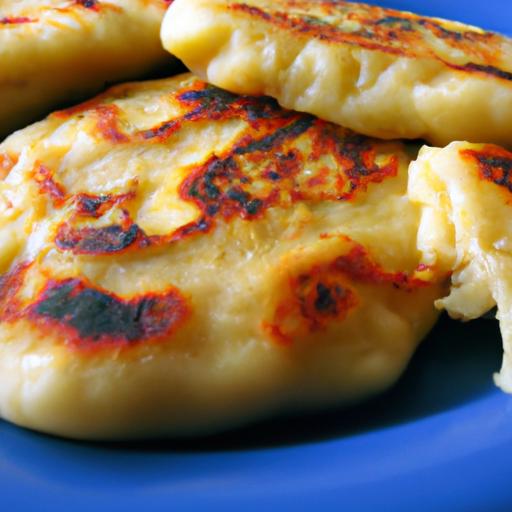

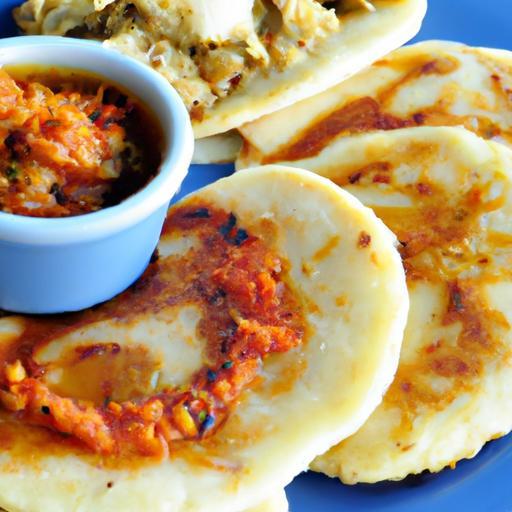
At first bite, pupusas reveal more than just a blend of corn masa and savory fillings-they unfold the rich tapestry of Salvadoran heritage, culture, and community.These humble, handcrafted treasures have journeyed from the heart of El Salvador to captivate taste buds worldwide, embodying generations of tradition wrapped in a warm, golden embrace. In “Pupusas Unwrapped: The Heart of Salvadoran Cuisine Delight,” we dive beyond the crispy exterior to explore the origins, variations, and enduring significance of this beloved dish, inviting you to savor not only its flavors but the stories kneaded within every delicious bite.
Pupusas Unwrapped: the iconic Salvadoran delicacy that has captured the hearts and taste buds of food lovers worldwide, is much more than just a stuffed tortilla. This humble yet deeply flavorful dish originated from El Salvador’s indigenous Pipil people and has since become a symbol of Salvadoran identity and culinary pride. My first encounter with a freshly made pupusa, hot off the comal, was a revelation-the soft masa dough, perfectly encasing a savory filling, paired with tangy curtido, created a symphony of textures and flavors that felt like a warm embrace from Salvadoran culture itself.
Prep and Cook Time
- Preparation: 20 minutes
- Cooking: 15 minutes
- Total: 35 minutes
Yield
6 medium-sized pupusas (serves 3-4)
Difficulty Level
Medium: Requires some practice to shape and seal perfectly, but highly rewarding!
Ingredients
- 2 cups masa harina (corn flour for tortillas)
- 1 ¼ cups warm water
- 1 cup shredded mozzarella cheese (or a good melting white cheese)
- 1 cup refried black beans, smooth and well-seasoned
- 1 cup shredded quesillo (Salvadoran string cheese) or Oaxaca cheese
- ½ teaspoon salt
- Vegetable oil for cooking
Instructions
- Prepare the dough: In a large bowl, combine the masa harina and salt. Gradually add the warm water, mixing with your hands until a smooth, pliable dough forms. It should feel like playdough-moist but not sticky. Cover with a damp cloth to keep moist.
- Make the fillings: Mix shredded mozzarella and quesillo together. For the bean filling, ensure your refried beans are creamy-add a splash of water if needed to smooth out.
- Form the pupusas: divide the dough into 6 equal balls. Flatten one ball between your palms into a 4-inch disc. Place 2 tablespoons of filling in the center (cheese, beans, or a mix). Carefully fold the edges over the filling and pinch to seal, then gently flatten again into a ¾-inch thick patty, ensuring the filling stays enclosed.
- Cook the pupusas: Heat a non-stick skillet or a traditional comal over medium heat. Lightly grease with vegetable oil. Place pupusas on the hot surface and cook for about 5-6 minutes per side, flipping carefully. They should develop a golden, slightly crispy crust and you’ll notice the cheese melting inside.
- rest and serve: Remove from heat and let rest for 2 minutes. serve hot with traditional curtido (a lightly fermented cabbage slaw) and tomato salsa for an authentic experience.
Tips for Success
- Masa dough consistency: If dough cracks when shaping, add a teaspoon of water at a time until flexible.Too sticky? dust your hands with masa harina.
- Fillings: Try combinations-bean and cheese together offer a classic rich contrast. Avoid overfilling to prevent bursting during cooking.
- Sealing pupusas: Pinch edges well and seal completely to keep fillings inside while cooking.
- Make ahead tip: Pre-shape pupusas and freeze on a parchment-lined tray. Once frozen, store in airtight bags; cook from frozen adding a few extra minutes.
Serving Suggestions
Enjoy your pupusas unwrapped with a generous scoop of curtido-a vibrant slaw made of shredded cabbage, carrots, onions, and a splash of vinegar for brightness.A side of fresh, tangy tomato salsa balances the richness beautifully. Garnish with fresh cilantro and lime wedges for an extra pop of flavor. To elevate the dining experience, serve hot pupusas alongside a refreshing horchata or tamarind agua fresca.
| Nutrition Per Pupusa | Calories | Protein (g) | Carbs (g) | Fat (g) |
|---|---|---|---|---|
| Cheese Pupusa | 220 | 11 | 26 | 9 |
| Bean & Cheese Pupusa | 250 | 12 | 32 | 7 |
Explore more Salvadoran culinary gems by reading our guide on salvadoran cuisine Traditions. Discover the vibrant history that shapes these dishes.
For a deeper dive into the cultural heritage of pupusas and their global journey, NPR’s feature offers a rich and insightful read. This precious bite of Salvadoran history reminds us how food connects us across generations and borders.

Q&A
Q&A: Pupusas Unwrapped – The Heart of Salvadoran Cuisine Delight
Q1: What exactly are pupusas?
A: Pupusas are a traditional Salvadoran dish consisting of thick, handmade corn tortillas stuffed with a variety of delicious fillings. Think of them as warm, savory pockets of comfort, lovingly prepared and cooked on a griddle until perfectly golden.They’re a true culinary icon that captures the soul of El Salvador.
Q2: What kinds of fillings can you find inside pupusas?
A: While cheese and beans are classic staples, pupusas offer a world of flavors beyond these. common fillings include creamy quesillo (a stringy Salvadoran cheese), refried black beans, and flavorful loroco-a unique edible flower native to Central America that lends a distinctive herbal aroma.Vegetables like squash or spinach might also feature, providing a vibrant twist.
Q3: How are pupusas traditionally enjoyed?
A: Pupusas are traditionally served piping hot, accompanied by curtido-a tangy, lightly fermented cabbage slaw-and a smooth, slightly spicy tomato salsa. This trio creates a perfect balance: the rich, savory pupusa pairs beautifully with the fresh crunch and bright acidity of the curtido and salsa.Q4: What is the cultural significance of pupusas in Salvadoran society?
A: Pupusas are more than food-they’re a symbol of community and heritage.Often prepared in family kitchens or street stalls, sharing pupusas is a ritual that brings people together.They embody a culinary tradition passed down through generations, representing resilience, pride, and the warmth of Salvadoran hospitality.
Q5: Can pupusas be enjoyed by vegetarians or those looking for plant-based options?
A: Absolutely! Many pupusas are naturally vegetarian, crafted with cheese and beans or fresh vegetables. Their versatility makes them a perfect choice for anyone seeking a hearty, satisfying meal without animal products. Curtido and salsa add layers of flavor, ensuring a complete, flavorful experience.
Q6: What makes the dough of a pupusa unique?
A: The dough is made from masa harina, a specially treated corn flour that has been a staple in Mesoamerican cooking for thousands of years. This masa is hydrated and kneaded into a pliable dough that’s perfect for encasing fillings. Its slightly nutty flavor and tender texture are hallmarks of an authentic pupusa.
Q7: How have pupusas influenced global cuisine?
A: Pupusas have traveled beyond El Salvador’s borders,becoming beloved in many parts of the world. Their simple ingredients and comforting flavors resonate widely, inspiring chefs to experiment with new fillings while honoring tradition. This has helped spread Salvadoran culture and culinary artistry to an ever-growing audience.
Q8: Is ther a best time to eat pupusas?
A: Pupusas are enjoyed any time of day-whether as a hearty breakfast, a fulfilling lunch, or a late-night snack. Festivals and family gatherings often showcase pupusas as a beloved staple. Their warm, satisfying nature makes them perfect for sharing and savoring in good company.
Q9: Can pupusas be made gluten-free?
A: yes! Since pupusas are made from corn masa, they are naturally gluten-free, offering a delicious option for those with gluten sensitivities. Just be sure all the ingredients and fillings you choose are free from gluten-containing additives.
Q10: How can someone new to pupusas best enjoy them for the first time?
A: Start simple: try a cheese and bean pupusa with curtido and salsa on the side. Savor the textures-the tender corn dough, the melted, creamy filling, and the zesty crunch of curtido. Let each bite tell the story of Salvadoran tradition, hospitality, and passion. It’s a culinary delight that invites you to explore and celebrate a vibrant culture through food.
The Way Forward
As the final folds of the pupusa are unwrapped,what remains is more than just a delicious morsel-it’s a vibrant tapestry woven from centuries of Salvadoran tradition,culture,and community. Each bite invites you to taste the history, the warmth of family gatherings, and the artistic soul simmering in Salvadoran kitchens. Whether enjoyed at a bustling street stand or crafted with care at home, pupusas continue to embody the heart of El Salvador’s culinary delight, reminding us that food is not just nourishment, but a story waiting to be savored. So next time you unwrap this humble yet extraordinary dish, take a moment to honor the layers of heritage and love folded within.