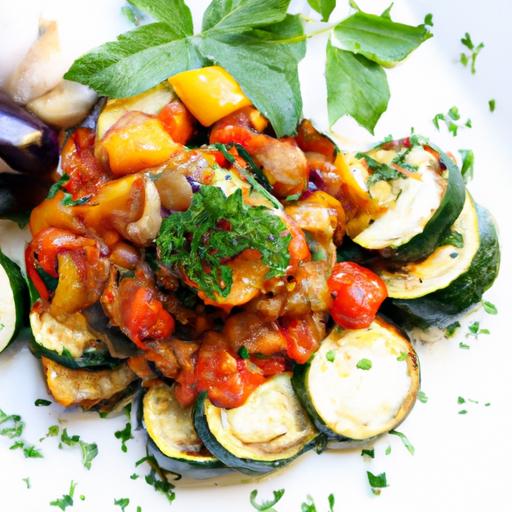




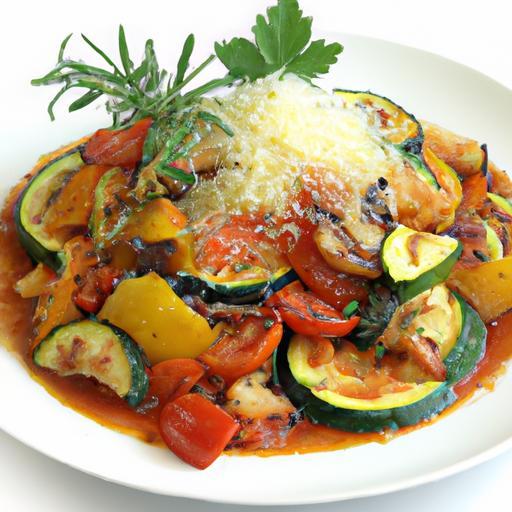
Nestled in the heart of southeastern France, Provence has long been celebrated for its sun-drenched landscapes, fragrant lavender fields, and vibrant markets brimming with fresh produce. Among its culinary treasures, one dish stands out as a true emblem of the regionS rustic charm and rich flavors: ratatouille.More than just a medley of vegetables,ratatouille tells a story of tradition,diversity,and the art of slow cooking. In this article, we embark on a flavorful journey through Provence to unveil the origins, variations, and secrets behind this iconic dish-inviting you to experience the essence of provençal cuisine one colorful bite at a time.
Origins of Ratatouille and Its Cultural Meaning in Provence
Ratatouille Unveiled is more than just a vibrant medley of vegetables; it is a culinary emblem deeply rooted in the sun-drenched landscapes of Provence, France.this rustic vegetable stew was born out of humble beginnings,crafted by farmers and home cooks who celebrated the bounty of their local gardens. Each ingredient reflects the essence of Provençal terroir-fresh, sun-ripened, and fragrant. Traditionally, ratatouille was a practical way to use up abundant summer produce, turning simple vegetables into a hearty, nourishing meal that both warms the soul and delights the palate.
The dish also carries cultural significance beyond the plate, symbolizing the Provençal way of life-slow, deliberate, and harmonious with the rhythms of nature. Ratatouille embodies the region’s values of sustainability, community, and the joyous act of sharing food.This vibrant dish has since captured international hearts, remaining a timeless symbol of rustic French culinary artistry.
Selecting the Freshest Ingredients for an Authentic Ratatouille Experience
To truly master this Provençal classic, ingredient quality reigns supreme. Selecting the freshest components ensures a ratatouille that bursts with flavor and captures the essence of Provence. Start with ripe eggplants that feel firm yet slightly tender to the touch, with smooth skins free from blemishes. Pick vibrant zucchini with a glossy, unwrinkled surface and avoid any that feel spongy. Choose bell peppers in shades of red, yellow, or green, with crisp skin and a sweet aroma. The tomatoes should be juicy, fragrant, and deep-colored, reflecting peak ripeness-preferably heirloom or vine-ripened varieties.
Don’t overlook the aromatics-fresh garlic,pungent onions,and fragrant herbs de Provence such as thyme,rosemary,and bay leaves add layers of complexity. The secret to an authentic ratatouille lies in honoring these fresh, seasonal vegetables and herbs, allowing their natural flavors to shine through.
Step-by-Step Guide to Perfecting the Traditional Ratatouille Recipe
Ratatouille Unveiled is designed to be approachable yet rewarding for every home cook. This step-by-step guide will walk you through creating a dish that’s as lovely as it is flavorful.
Prep and Cook Time
- Planning: 25 minutes
- Cooking: 45 minutes
- Total Time: 1 hour 10 minutes
Yield
Serves 6 as a main or side dish
Difficulty Level
Medium – requires attention to timing and layering flavors
ingredients
- 2 medium eggplants, diced into 1-inch cubes
- 3 medium zucchinis, sliced into 1/2-inch rounds
- 2 red bell peppers, seeded and chopped
- 4 ripe tomatoes, peeled and diced
- 1 large onion, finely chopped
- 4 cloves garlic, minced
- 1/4 cup extra-virgin olive oil
- 1 teaspoon fresh thyme (or 1/2 teaspoon dried)
- 1 teaspoon fresh rosemary, finely chopped
- 1 bay leaf
- Salt and freshly ground black pepper, to taste
- Fresh basil leaves, for garnish
Instructions
- Prepare the vegetables: Rinse and dry all vegetables thoroughly. Dice the eggplant,slice the zucchinis,and chop the bell peppers and tomatoes. Set aside.
- Sauté the aromatics: Heat half the olive oil in a large heavy-bottomed pan over medium heat. Add the chopped onion and minced garlic. Sauté until translucent and fragrant,about 5 minutes,stirring frequently to avoid browning.
- Cook the eggplant: Add the diced eggplant to the pan with a pinch of salt. Cook, stirring occasionally, until the cubes soften and begin to turn golden, about 8-10 minutes. If the pan gets dry, add a splash more olive oil.
- Add bell peppers and zucchini: Stir in the bell peppers and zucchini, cooking until they soften but remain vibrant, approximately 7 minutes. The vegetables should not be mushy.
- Incorporate tomatoes and herbs: Add the diced tomatoes, thyme, rosemary, and bay leaf. Stir to combine, then reduce heat to low.
- Simmer slowly: Cover the pan partially and let the ratatouille simmer gently for 20-25 minutes. Stir occasionally to prevent sticking and let the flavors meld into a rich tapestry. Season with salt and black pepper to taste.
- Final touches: Remove the bay leaf. Drizzle with the remaining olive oil and garnish with torn fresh basil leaves before serving.
tips for Success
- Layering flavors is key: Cooking each vegetable separately ensures tenderness and prevents the dish from becoming a uniform mash.
- Use a wide, heavy-bottomed skillet: It promotes even cooking and prevents excess liquid buildup.
- Peeling tomatoes: For a silky texture, blanch tomatoes in boiling water for 30 seconds and peel before chopping.
- Make ahead: Ratatouille tastes even better the next day, allowing the flavors to deepen. Store in an airtight container in the refrigerator for up to three days.
- Vegetarian and vegan kind: this recipe is naturally free of animal products, making it inclusive and wholesome.
Pairing Ratatouille with Local Wines and Serving Suggestions
When it comes to showcasing your perfectly prepared ratatouille, presentation and pairing elevate the experience. Serve it warm or at room temperature, letting its mosaic of jewel-toned vegetables shine on a simple white platter. Garnishing with fresh basil or a sprig of thyme adds a fresh, colorful touch.
For wine pairings, explore crisp, aromatic whites or light-bodied reds from Provence to complement the earthy, slightly sweet character of ratatouille. A dry Provence rosé, known for its radiant acidity and subtle red fruit notes, harmonizes beautifully without overpowering the dish. Alternatively, a chilled Vermentino or Picpoul de Pinet lends citrusy brightness that refreshes the palate between bites.
Ratatouille can be served as a vibrant side to grilled seafood, roasted chicken, or atop crusty artisan bread for a light vegetarian meal. For a satisfying main course, pair it with herbed quinoa, creamy polenta, or a rustic bean stew. The versatility and bold flavors make it a star at any table.
| Nutrient | Per Serving |
|---|---|
| Calories | 150 kcal |
| protein | 3 g |
| Carbohydrates | 22 g |
| Fat | 7 g |

For more insights into Provençal cuisine, check out our Provence recipes Guide to deepen your culinary journey through Southern France’s treasured dishes.
Q&A
Q&A: Ratatouille Unveiled: A flavorful Journey Through Provence
Q1: What exactly is ratatouille, and where does it originate?
A1: Ratatouille is a vibrant, vegetable-forward dish hailing from the sun-soaked region of provence in southern France.This culinary jewel combines garden-fresh vegetables like zucchini, eggplant, bell peppers, tomatoes, and aromatic herbs into a harmonious, slow-simmered medley that celebrates the bounty of the Mediterranean.
Q2: How does ratatouille reflect the culture and terroir of Provence?
A2: At its heart, ratatouille is a homage to the Mediterranean lifestyle-simple, rustic, and bursting with natural flavors. The dish mirrors the Provençal landscape where vineyards, olive groves, and herb gardens flourish under the warm sun. Its use of locally-grown vegetables and herbs like thyme,rosemary,and bay leaf encapsulates the essence of Provençal terroir and slow-paced living.
Q3: What makes ratatouille different from a typical vegetable stew?
A3: Unlike many stews, ratatouille shines by preserving the individual character of each vegetable through a careful cooking process.Traditionally, the vegetables are sautéed separately before being gently combined and simmered. This technique ensures that each ingredient maintains its texture and flavor, resulting in a dish that’s both richly layered and beautifully balanced.
Q4: Which vegetables are essential for an authentic Provençal ratatouille?
A4: The protagonists of a true ratatouille include silky eggplants, tender zucchini, vibrant red and yellow bell peppers, ripe tomatoes, and sweet onions. Garlic and fresh herbs such as thyme, basil, and bay leaf infuse the dish with its characteristic aroma. These ingredients come together to paint a colorful and flavorful palate reminiscent of a Provençal garden.
Q5: Can ratatouille be served in different ways, or is it always a side dish?
A5: Ratatouille is remarkably versatile.While it often accompanies grilled meats or fish, it can also take center stage as a hearty vegetarian main course, especially when paired with crusty bread or creamy polenta. Additionally, ratatouille can be served warm or at room temperature, making it an ideal make-ahead dish for picnics or casual gatherings.
Q6: What cooking tips elevate ratatouille to the next level?
A6: Patience is key. Slowly sautéing each vegetable separately allows their flavors to deepen without becoming mushy. Using fresh, seasonal produce ensures peak taste, and layering the vegetables with care keeps textures intact.Lastly, letting ratatouille rest for a few hours or overnight lets the flavors meld beautifully, creating a more harmonious and complex dish.
Q7: How has ratatouille evolved beyond its traditional roots?
A7: While deeply rooted in Provençal tradition, ratatouille has inspired countless creative interpretations worldwide. Some chefs elevate it into elegant presentations-such as the famous “confit byaldi” where thinly sliced vegetables are arranged like a colorful mosaic. Others experiment with spices, textures, or complementary grains, proving ratatouille’s timeless appeal as both a rustic comfort and a canvas for culinary innovation.Q8: What makes ratatouille a party of plant-based cooking?
A8: Ratatouille embodies the very essence of plant-powered cuisine. It showcases how humble vegetables, when treated with respect and skill, can produce a dish that is vibrant, nourishing, and deeply satisfying. Without relying on heaviness or complexity, ratatouille shines as a appetizing reminder of the beauty and versatility of seasonal produce.
this Q&A offers a flavorful exploration of ratatouille, inviting readers to savor not just a dish, but a rich heritage and a ideology of cooking that honors the land and its gifts.
insights and Conclusions
As our flavorful journey through Provence comes to a close, Ratatouille stands not just as a dish, but as a vibrant tapestry of history, culture, and the sun-kissed harvests of the region. Each spoonful invites you to savor the essence of provençal life-simple yet profound,rustic yet refined. Whether enjoyed al fresco beneath lavender skies or recreated in your own kitchen, ratatouille remains a timeless celebration of nature’s bounty and Mediterranean soul. So next time you savor this colorful medley, remember it’s more than a meal; it’s Provence unveiled on your plate.