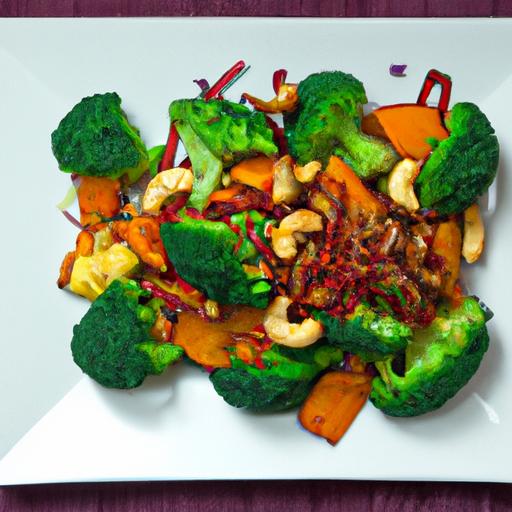



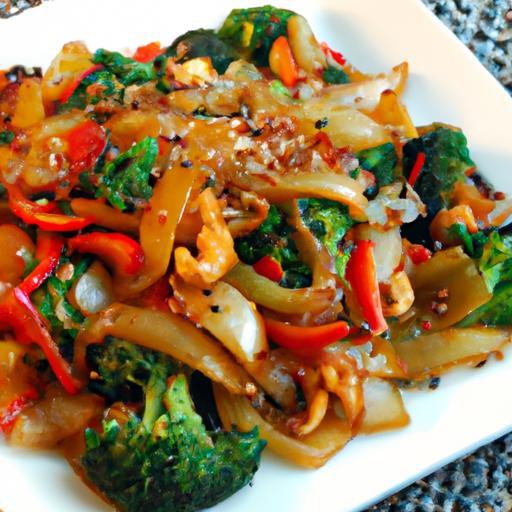
There’s a unique magic that happens when vibrant vegetables meet the sizzle of a hot pan-a symphony of colors, textures, and flavors that celebrate the very essence of each season. “Savor the Seasons: A Fresh Guide to Vegetable Stir-Fry” invites you on a culinary journey where freshness takes center stage and creativity knows no bounds. From the first tender shoots of spring to the hearty roots of winter, this guide will help you unlock the full potential of seasonal produce, transforming everyday ingredients into mouthwatering, nutritious dishes. Whether you’re a kitchen novice or a stir-fry savant, get ready to awaken your palate and embrace the rhythm of the seasons with every bite.
Choosing the Perfect Seasonal Vegetables for Vibrant Stir-Fries
Savor the Seasons: A Fresh Guide to Vegetable Stir-Fry begins with embracing the bounty each season generously offers, transforming simple ingredients into a dazzling dance of color and flavor on your plate. selecting the ideal seasonal vegetables not only maximizes freshness but also intensifies the natural sweetness, crunch, and vivid hues that make stir-fries visually captivating and nutritionally robust.
Spring invites tender asparagus, snap peas, and baby carrots – crisp textures that brighten every bite.Summer’s abundance bursts with zucchini, bell peppers, and juicy cherry tomatoes, while autumn’s harvest calls for hearty Brussels sprouts, kale, and sweet butternut squash. Winter’s cool charm is found in bright fennel, vibrant broccoli, and crisp celery root. When you center your stir-fry around these locally sourced, seasonal vegetables, you elevate the dish’s vibrancy and depth.
Mastering Flavor Profiles with Fresh Herbs and Spices
Infusing your vegetable stir-fries with fresh herbs and spices is where art meets science. Think beyond salt and pepper: aromatic ginger, fiery red chili flakes, and pungent garlic create an invigorating base. Fresh cilantro, Thai basil, or mint add a lively, aromatic pop that refreshes the palate, while toasted sesame seeds and crushed Szechuan peppercorns introduce that addictive nuttiness and subtle numbing sensation.
For a balanced flavor profile, marry the natural sweetness of caramelized onions with the sharpness of freshly grated lime zest or a splash of tamari for umami richness. This harmony ensures each forkful sings with complexity – a hallmark of exquisite vegetable stir-fries.
Techniques to Achieve the Ultimate Crisp-Tender Texture
Achieving that perfect crisp-tender texture is the hallmark of any memorable stir-fry. start by cutting vegetables uniformly to ensure even cooking – thin slices or bite-sized chunks work best. high heat is your ally; a preheated wok or skillet guarantees a rapid sear that seals in juices while preserving crunch.
Blanching denser vegetables such as broccoli or carrots for 1-2 minutes before adding them to the wok can shorten cooking time and boost vibrant color. Stir constantly but gently; this careful agitation distributes heat and prevents sogginess. add tender greens or fresh herbs at the very last moment to preserve their freshness and texture.
Essential Tips for Balancing Color, Taste, and Nutrition
A visually stunning and nutritionally balanced stir-fry is achieved by combining a rainbow of vegetables that offer varied vitamins and textures. Incorporate deep greens like spinach or bok choy with bright reds and yellows from bell peppers and cherry tomatoes. This spectrum not only excites the eye but also ensures a boost of antioxidants, vitamins A and C, and fiber.
Use minimal oil for sautéing to keep the dish light while enhancing the natural vegetable flavors. Layer your seasoning gradually – taste often – to maintain harmony between salty, sweet, sour, and spicy notes. Lastly, garnish with crunchy nuts or seeds for texture contrast and an added nutrient punch.
Prep and Cook Time
- Preparation: 15 minutes
- Cooking: 10 minutes
- Total Time: 25 minutes
Yield
Serves 4 generous portions
Difficulty Level
Easy to Medium – perfect for weekday dinners or leisurely weekend cooking
Ingredients
- 2 cups broccoli florets, trimmed and bite-sized
- 1 cup snap peas, ends trimmed
- 1 red bell pepper, thinly sliced
- 1 small carrot, julienned
- 1 zucchini, sliced into half moons
- 3 cloves garlic, minced
- 1 inch fresh ginger, grated
- 2 tbsp vegetable oil (or high-heat oil like grapeseed)
- 1 tbsp toasted sesame oil
- 2 tbsp low-sodium tamari or soy sauce
- 1 tsp chili flakes (adjust to taste)
- 1 tbsp fresh lime juice
- 1/4 cup fresh cilantro, chopped
- 1 tbsp toasted sesame seeds for garnish
Instructions
- Prepare the vegetables: Wash and cut all vegetables uniformly to ensure even cooking. keep the broccoli in small florets and slice the carrot into thin strips for quick blanching.
- Blanch the broccoli and carrot: Bring a pot of salted water to boil. Add broccoli and carrot, blanch for 2 minutes until vibrant and slightly tender. Drain immediately and plunge into iced water to stop cooking. Drain and set aside.
- Heat the wok or skillet: Place over high heat and add vegetable oil. When oil shimmers, add minced garlic and grated ginger, sautéing for 30 seconds until fragrant without browning.
- Add the snap peas and bell pepper: Stir-fry for 2 minutes, stirring constantly to maintain even cooking and prevent burning.
- Toss in zucchini, blanched broccoli, and carrot: Cook for 3 more minutes, stirring continuously to develop a crisp-tender texture.
- Season: Drizzle in tamari, toasted sesame oil, and sprinkle chili flakes. stir to coat evenly and allow the flavors to meld for 1 minute.
- Finish with fresh lime juice and cilantro: Turn off heat, toss gently to combine bright, fresh notes with the warm stir-fry.
- Plate and garnish: serve immediately, topped with toasted sesame seeds for a nutty crunch and an extra burst of texture.
Chef’s Notes
- Vegetable Variations: Swap seasonal vegetables according to availability-baby corn, snap peas, or mushrooms add exciting textures.
- protein Add-Ons: for heartier meals, add firm tofu cubes or cooked chickpeas towards the end of cooking.
- Avoiding Sogginess: Keep vegetables moving in the pan and cook in small batches if needed to maintain high heat.
- Make-Ahead Tip: You can prep all vegetables a day in advance but stir-fry just before serving to retain fresh crunch.
- Allergen swap: Use coconut aminos instead of tamari for gluten-free or soy-free options.
serving Suggestions
Present this vibrant stir-fry over a bed of steamed jasmine or brown rice for a balanced meal. Garnish with extra fresh cilantro and a wedge of lime for guests to squeeze over.For added texture and richness, sprinkle chopped roasted peanuts or sliced green onions on top. pair with a light cucumber salad or miso soup to create a beautifully cohesive meal experience.

| Nutrient | Per Serving |
|---|---|
| Calories | 180 |
| Protein | 6g |
| Carbohydrates | 22g |
| fat | 8g |
For further inspiration on plant-forward cooking techniques, explore our comprehensive plant-based cooking tips. To deepen your understanding of seasonal vegetable benefits, visit the USDA’s Seasonal Produce Guide.
Q&A
Q&A: Savor the Seasons – A Fresh Guide to Vegetable Stir-Fry
Q1: What makes vegetable stir-fry a perfect dish for every season?
A1: Vegetable stir-fry is like a culinary chameleon-it adapts beautifully to whatever fresh produce each season offers. From crisp spring asparagus to hearty winter root vegetables, stir-frying brings out the vibrant colors, textures, and natural sweetness of vegetables year-round, making it a dynamic, healthful, and endlessly creative meal.
Q2: How can I select the best vegetables for a seasonal stir-fry?
A2: Start at your local farmers’ market or produce aisle and look for vegetables that are freshly harvested and in abundance. Spring might invite tender peas and leafy greens; summer, juicy bell peppers and zucchini; fall, sweet squash and mushrooms; winter, robust kale and Brussels sprouts. Choose a mix of colors and textures to create a stir-fry that’s as visually appealing as it is flavorful.
Q3: What are the key techniques to achieve the perfect stir-fry texture?
A3: the secret lies in quick, high-heat cooking and thoughtful timing. Begin by prepping all ingredients-cut uniformly for even cooking, and keep your vegetables dry to avoid steaming. Heat your wok or pan until smoking hot,add oil with a high smoke point,and stir constantly to sear the veggies while preserving their crispness and vibrant colors.
Q4: How can I create depth and balance of flavor without overwhelming the natural taste of the vegetables?
A4: Embrace simplicity and layering. Start with aromatics like ginger, garlic, or chili flakes to awaken the palate. Use a touch of soy sauce,toasted sesame oil,or a squeeze of citrus to add complexity. Finish with fresh herbs or a sprinkle of toasted nuts or seeds to bring texture and brightness-enhancing rather than overpowering the vegetables’ innate flavors.
Q5: Can you recommend some exciting plant-based proteins to add to a vegetable stir-fry?
A5: Absolutely! Firm tofu, tempeh, and edamame are all excellent sources of plant-powered protein that absorb stir-fry sauces beautifully. For an extra protein punch, try adding crunchy cashews or roasted chickpeas. These ingredients not only boost nutrition but also contribute delightful textures, turning a simple vegetable stir-fry into a hearty and satisfying dish.
Q6: What are some tips for making a stir-fry that’s both healthy and delightful?
A6: Keep your stir-fry vibrant and nourishing by focusing on fresh, seasonal ingredients and cooking with minimal oil. Opt for natural flavor enhancers over processed sauces, and balance your dish with a colorful variety of vegetables to maximize vitamins and antioxidants. Remember, the goal is harmony-bright colors, crisp textures, and clean, bold flavors in every bite.
Q7: How can I customize a stir-fry to suit my family’s taste preferences?
A7: Stir-fries are wonderfully adaptable. If your family loves spice, introduce fresh chilies or an extra dash of chili flakes. For milder tastes, use sweet peppers and a touch of fresh ginger to impart warmth without heat. Adjust sauces to preference-more tangy, sweet, or savory-as you explore new combinations. The stir-fry is your canvas, and every family bite can be a masterpiece.Q8: What’s the best way to serve and enjoy a vegetable stir-fry?
A8: Serve it piping hot over a bed of steamed rice, quinoa, or your favorite noodles to soak up the flavorful sauce. Garnish with fresh herbs like cilantro or scallions and a sprinkle of sesame seeds for a finishing touch. Whether its a weeknight dinner or a weekend feast, a vegetable stir-fry invites you to savor simplicity-celebrating the seasons in every vibrant, delicious forkful.
In Summary
As the seasons turn and markets brim with nature’s freshest offerings, your stir-fry becomes more than just a meal-it’s a vibrant celebration of the earth’s endless bounty. By embracing the colors, textures, and flavors each season provides, you not only nourish your body but also ignite your kitchen with creativity and joy. So next time you hear the sizzle of veggies hitting the pan, remember: you’re crafting a masterpiece that honors the rhythm of the seasons. Here’s to fresh, flavorful, and fabulous stir-fries all year round!