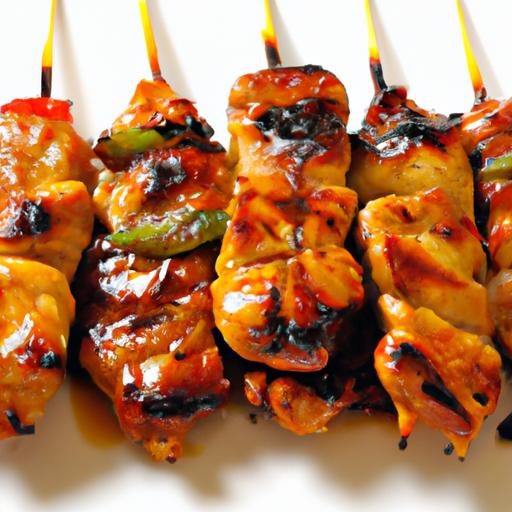




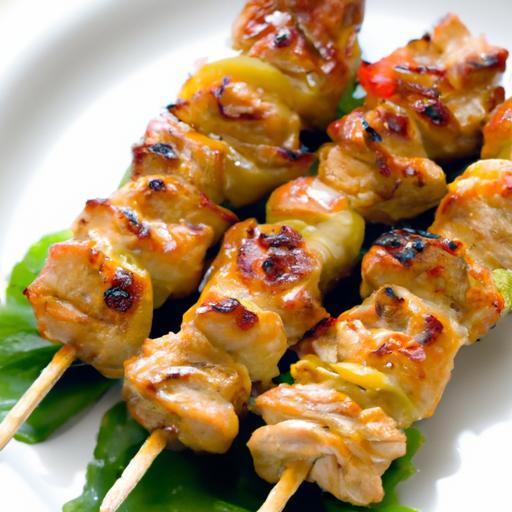
There’s something undeniably captivating about chicken yakitori skewers – those tender morsels of grilled perfection threaded onto bamboo sticks, kissed by flames and glazed with savory-sweet sauce. More than just street food, yakitori is a cultural ritual, a party of simplicity and depth in every bite. In this flavorful journey, we’ll explore the origins, techniques, and secret ingredients that make chicken yakitori skewers a beloved culinary art form in Japan and beyond. whether you’re a seasoned foodie or a curious newcomer, prepare to savor the smoky aromas and mouthwatering tastes that turn humble chicken into an unforgettable experience.
Savoring chicken yakitori skewers is a truly immersive experience that transports you to the lively streets of Japan, where the sizzling sound of chicken grilling over hot charcoal ignites your senses. This iconic Japanese dish marries succulent, tender chicken pieces with a symphony of marinades that elevate each skewer to pure perfection, balancing savory, sweet, and umami notes that make every bite memorable.
Prep and cook Time
- Preparation: 20 minutes
- Marinating: 30 minutes to 2 hours (recommended for deeper flavor)
- Cooking: 10-12 minutes
- Total Time: Approximately 1 hour (including marinating)
Yield
Serves 4, yielding approximately 12 skewers of perfectly grilled chicken yakitori.
Difficulty Level
Medium: Requires attention to marinating and grilling technique but simple enough for enthusiastic home cooks.
Ingredients
- 500g boneless, skin-on chicken thighs, cut into 1.5-inch pieces
- 12-15 bamboo skewers, soaked in water for 30 minutes
- 2 tbsp soy sauce (preferably Japanese shoyu)
- 2 tbsp mirin (sweet rice wine)
- 1 tbsp sake (rice wine)
- 1 tbsp honey or pure maple syrup
- 2 tsp freshly grated ginger
- 2 garlic cloves, finely minced
- 1 tbsp toasted sesame oil
- 1/2 tsp freshly ground black pepper
- Scallions or spring onions, cut into 1-inch lengths (optional, for alternate skewering)
- Toasted sesame seeds, for garnish
- Shichimi togarashi (japanese seven-spice), optional sprinkle
Instructions
- Prepare the marinade: In a medium bowl, combine soy sauce, mirin, sake, honey, grated ginger, minced garlic, sesame oil, and black pepper. Whisk until honey is fully dissolved creating a glossy, fragrant sauce.
- marinate the chicken: Add the chicken thigh pieces to the marinade, ensuring every piece is coated. Cover and refrigerate for at least 30 minutes, up to 2 hours, to let the flavors deeply infuse.
- Thread the skewers: Remove marinated chicken and thread evenly onto pre-soaked bamboo skewers. Alternate with scallion pieces if desired to add vibrancy and flavor contrast.
- Preheat the grill: Set your grill or grill pan to medium-high heat. If using charcoal,wait for glowing embers for that authentic smoky aroma.
- Grill the skewers: Place skewers on the grill and cook for 4-5 minutes per side, basting occasionally with reserved marinade for moisture and flavor buildup. Turn frequently to avoid charring and ensure even cooking until the internal temperature reaches 165°F (74°C).
- Finish and rest: Remove skewers from heat. Let rest for 3 minutes to allow juices to redistribute, ensuring every bite is juicy and tender.
- Garnish and serve: Sprinkle skewers with toasted sesame seeds and a pinch of shichimi togarashi to awaken the senses. serve immediately for the best flavor and texture.
Tips for Success
- Marinating Time: Allowing the chicken to marinate for longer than 30 minutes intensifies the umami profile-overnight marination in the fridge yields the best depth.
- skewer variety: Experiment with different chicken parts such as wings or tenderloins for textural contrast. Always use skin-on thighs for juicy richness.
- Grilling Technique: Keep an eye on flare-ups; use a spray bottle with water on hand to tame flames. Continuous turning helps develop even caramelization.
- Make-ahead: Chicken skewers can be assembled and marinated up to 8 hours ahead; store refrigerated and grill fresh when ready.
- Glaze alternative: for a deeper, slightly smoky flavor, reduce the marinade on the stovetop into a thick glaze to brush during grilling.
Serving Suggestions
Present these succulent yakitori skewers on a sleek wooden platter or a piece of rustic slate to highlight their golden-browned charm. Garnish with finely sliced scallions and a scattering of toasted sesame seeds to add texture and visual appeal. complement the dish with freshly steamed jasmine rice or a crisp cucumber and daikon salad for a refreshing contrast. For dipping, a small bowl of tangy ponzu sauce or spicy yuzu kosho will elevate the flavor profile further, blending tradition with modern flair.

| Nutrient | Per Serving (3 skewers) |
|---|---|
| Calories | 230 kcal |
| Protein | 25g |
| Carbohydrates | 8g |
| Fat | 10g |
Exploring Flavorful Pairings to Complement Your Skewers
Enhance your journey of savoring chicken yakitori skewers with carefully selected accompaniments.Traditional pairings like steamed rice, crunchy pickled vegetables, or a warm bowl of miso soup create a comforting, authentic meal. For a modern twist, try serving alongside avocado and cucumber salad drizzled with yuzu vinaigrette, or pair with a chilled Japanese beer or sake to heighten each flavor note. The versatility of yakitori invites endless creativity – consider incorporating grilled shiitake mushrooms or shishito peppers on skewers alongside your chicken for a vibrant, colorful feast.
For more on Japanese grilled cuisine, check out our comprehensive guide to Japanese grilling techniques, and deepen your flavor knowledge by visiting the Japan Guide’s yakitori culture page for fascinating background details.
Q&A
Q&A: Savoring Chicken Yakitori Skewers: A Flavorful Journey
Q1: What is yakitori, and why is it so beloved in Japanese cuisine?
A1: Yakitori translates to “grilled bird” and traditionally refers to skewered and grilled chicken pieces.Its beloved status comes from the perfect combination of simple ingredients, smoky grill flavors, and a variety of savory sauces and seasonings. Each bite offers a harmony of textures and umami that celebrates the purity of grilled chicken, making it a favourite street food and izakaya staple.
Q2: What parts of the chicken are commonly used for yakitori, and how do they influence the flavor?
A2: Yakitori utilizes almost every part of the chicken, including thigh, breast, skin, liver, and even cartilage. Thigh meat is juicy and rich, providing tenderness and depth, while breast meat is leaner and firmer. Chicken skin crisps beautifully over the grill,adding a delightful crunch and silky fat. Organ meats like liver add an earthy, intense flavor that deepens the yakitori experience.Q3: How is yakitori traditionally seasoned or glazed?
A3: The two most classic approaches are tare and shio. Tare is a sweet-savory glaze made from soy sauce, mirin, sake, and sugar, slowly simmered to develop a sticky, caramelized coating. Shio seasoning,simply salt,highlights the natural flavor of the chicken and the smokiness of the grill. Some chefs may add a touch of garlic, ginger, or sansho pepper for an extra layer of flavor.
Q4: What makes the grilling process special in preparing yakitori?
A4: The magic lies in grilling over high-quality charcoal, ofen binchotan, which burns steadily and cleanly. This charcoal imparts a subtle smokiness and enables precise temperature control, ensuring the chicken cooks evenly without drying out. the rapid grilling method sears the outside while locking in juices,creating an irresistible combination of crisp edges and tender interiors.
Q5: Are there unique accompaniments or serving styles that enhance the yakitori experience?
A5: absolutely! Yakitori is often enjoyed with a sprinkle of shichimi togarashi (a Japanese seven-spice blend) for a hint of heat, or alongside pickled vegetables that balance its richness. It’s also common to serve yakitori with steamed rice and a refreshing cucumber salad, creating a harmonious meal that explores textures from crunchy to soft.
Q6: Can yakitori be adapted for home cooking without specialized equipment?
A6: Yes! While traditional Japanese charcoal grills bring out the best flavors,you can recreate yakitori at home using a gas or electric grill or even a grill pan. Key tips include using soaked bamboo skewers to prevent burning, cutting chicken into uniform pieces for even cooking, and applying sauce gradually to build flavor without burning the glaze.
Q7: What cultural meaning does yakitori hold beyond being a delicious dish?
A7: yakitori is more than food-it’s a social experience. In Japan, it’s often enjoyed in casual, lively izakayas where friends gather to unwind after work. Sharing skewers encourages connection and conversation, making yakitori both a culinary delight and a catalyst for joyful community moments.Q8: How can adventurous food lovers experiment with yakitori flavors while respecting tradition?
A8: Start by exploring variations in marinades or dipping sauces using ingredients like yuzu citrus, miso, or chili. Incorporate different herbs, such as shiso leaf wrapped around chicken pieces, or try grilled vegetables like shiitake mushrooms alongside the skewers. Maintaining balance and honoring the essence of simple, quality chicken ensures new twists remain authentic to yakitori’s spirit.
Concluding Remarks
As the last tender morsel of chicken yakitori melts away, what remains is more than just a satisfied palate-it’s an invitation to explore a rich tapestry of flavors and traditions that have been perfected over centuries. Whether enjoyed at a bustling izakaya or savored in the comfort of your own kitchen, these skewers embody a harmonious balance of simplicity and depth, inviting food lovers on a truly flavorful journey. So next time you seek a taste that’s both comforting and adventurous,remember that a humble yakitori skewer carries with it a world of culinary stories waiting to be discovered.