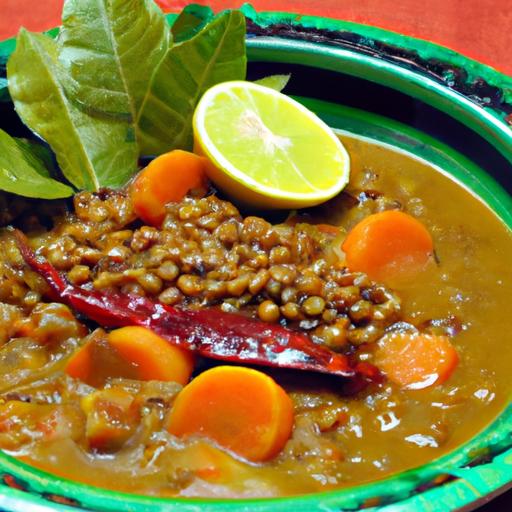

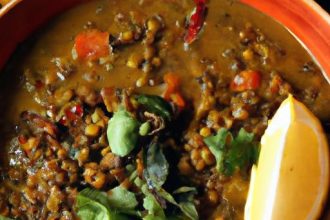


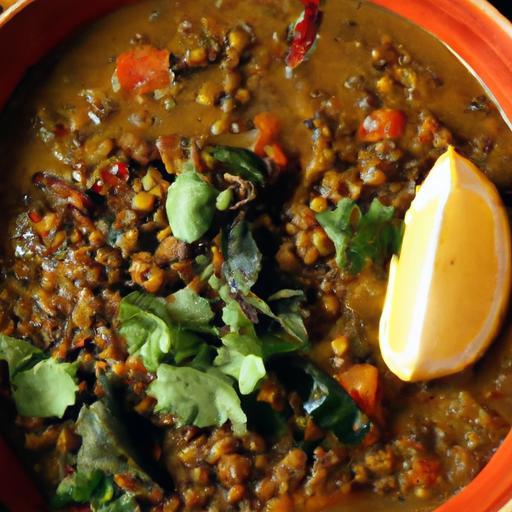
in the vibrant tapestry of South Indian cuisine, few dishes capture the heart and heritage quite like sambar-a steaming, soulful stew where tangy tamarind meets a medley of spices and earthy lentils. more than just a staple, sambar is a festivity of flavors and traditions, inviting both the novice and the connoisseur to savor its nutty richness and comforting warmth.This article embarks on a flavorful journey to explore sambar’s origins, ingredients, and cultural significance, revealing why this humble lentil delight has earned its revered place on the plates and in the hearts of millions across South India and beyond.
Savoring sambar invites you into the heart of South Indian cuisine-a vibrant, tangy, and richly spiced lentil stew that carries centuries of tradition in every spoonful. Rooted deeply in Tamil Nadu,Karnataka,Kerala,and andhra Pradesh’s culinary tapestry,sambar is much more than a comforting dish; it’s a symbol of community and hospitality,often gracing daily meals and festive occasions alike. this beloved dish masterfully balances nutty lentils with tamarind’s tartness and a fragrant melange of spices-creating an aroma that fills the kitchen with warmth and nostalgia.
prep and Cook Time
- Planning: 15 minutes
- Cooking: 40 minutes
- Total Time: 55 minutes
Yield
Serves 4 hearty portions
Difficulty Level
Easy to Medium – perfect for beginners open to exploring authentic Indian flavors!
Ingredients
- 1 cup yellow pigeon peas (toor dal), rinsed and soaked for 30 minutes
- 1 cup mixed vegetables (carrot, drumstick, pumpkin, okra, chopped into bite-sized pieces)
- 1 lemon-sized ball of tamarind pulp, soaked in 1 cup warm water and extracted
- 2 tbsp sambar powder (store-bought or homemade with coriander, fenugreek, dried red chilies, and mustard seeds)
- 1 tsp mustard seeds
- 1/2 tsp asafoetida (hing)
- 2 dried red chilies
- 10 fresh curry leaves
- 1 medium onion, chopped
- 2 medium tomatoes, finely chopped
- 2 green chilies, slit (optional)
- Salt to taste
- 3 tbsp cooking oil or ghee
- Fresh coriander leaves, chopped (for garnish)
Instructions
- Cook the Dal: Drain soaked toor dal and pressure cook with 3 cups of water until soft and mushy (about 4-5 whistles). mash lightly and keep aside.
- prepare Vegetables: In a pot, add chopped vegetables, 1 cup water, a pinch of salt, and cook until tender but not mushy. This will preserve their texture in the final dish.
- Extract Tamarind: Squeeze tamarind pulp in warm water, strain, and set aside. The tangy base is key to authentic flavor.
- Sauté Aromatics: Heat oil in a deep pan. Add mustard seeds; once they pop, add dried red chilies, asafoetida, and curry leaves. Sauté until aromatic, about 30 seconds.
- Add Onions and Tomatoes: Toss in chopped onions and green chilies. Cook until onions turn translucent. Then add tomatoes and cook until soft and pulpy.
- Combine ingredients: stir in the cooked vegetables,mashed dal,tamarind water,and sambar powder. Add salt to taste.
- Simmer: Bring the stew to a gentle boil, reduce heat, and simmer for 10-15 minutes, allowing the flavors to meld beautifully.
- Adjust Consistency: Add water to achieve your preferred thickness; customary sambar is pourable but not overly watery.
- final Tempering (Optional): for a smoky finish, prepare a tadka by heating a teaspoon of ghee with mustard seeds and dried red chili, then pour over the simmered sambar.
- Garnish and Serve: Sprinkle with fresh coriander leaves and serve hot.
Tips for Mastering the Perfect Sambar
- balance your tamarind: The sourness should brighten the stew, not overpower. Always start with less tamarind and adjust after simmering.
- Use fresh sambar powder: Homemade or a trusted blend ensures vibrant flavor; stale powders can dull the dish.
- Vegetable variety matters: Incorporate seasonal produce for authentic regional tastes-drumstick and pumpkin are classic staples.
- Control texture: Cook lentils to a soft, smooth finish but keep vegetables slightly firm to maintain contrast.
- Asafoetida is magic: Always add a pinch for that authentic depth and subtle onion-garlic flavor enhancement.
- make-ahead tip: Sambar tastes even better the next day as the spices meld elegantly; refrigerate and gently reheat with a splash of water.
Serving suggestions to Elevate Your Sambar Experience
This dish truly shines when paired with traditional South Indian staples:
- Steaming hot steamed rice: The classic duo. Ladle generous amounts over pillowy rice for a soul-satisfying meal.
- Crisp medu vada: The crunchy lentil donuts temper the sambar’s warm soupy texture spectacularly.
- Soft idlis: Battered fermented rice cakes soak up sambar’s flavor, creating delightful morsels.
- Ghee drizzle: A tiny splash atop the served sambar enhances richness and aroma.
- Fresh garnishes: Brighten the bowl with chopped coriander, finely sliced green chilies, or a squeeze of lime for an extra zing.
- Side accompaniments: Cool coconut chutney or fiery mango pickle complement the dish’s layers beautifully.
Whether you serve it for breakfast, lunch, or a comforting dinner, this nutty lentil stew’s versatility is unmatched.

| Nutrient | Per Serving |
|---|---|
| Calories | 180 kcal |
| Protein | 10 g |
| Carbohydrates | 30 g |
| Fat | 4 g |
| Fiber | 6 g |
for an in-depth exploration of the spices that define South Indian cuisine, check out our detailed Spice Guide to South Indian Cooking. To understand the nutritional benefits of lentils worldwide,visit this authoritative research.
Q&A
Q&A: Savoring Sambar - South India’s Nutty Lentil Delight Explored
Q1: What exactly is sambar?
A1: Sambar is a fragrant, tangy lentil stew that originated in South India. It’s a hearty blend of toor dal (pigeon peas), tamarind, assorted vegetables, and a bespoke spice mix that creates a harmonious dance of flavors - sour, spicy, nutty, and earthy all at once. it’s more than a dish; it’s a celebration of South India’s vibrant culinary heritage.
Q2: What makes sambar distinct from other lentil soups or stews?
A2: While many lentil dishes are simple and mild, sambar is a complex symphony of flavors, thanks to its special spice medley known as sambar powder. This mix often contains coriander seeds, fenugreek, dried red chilies, mustard seeds, and curry leaves, roasted to perfection and ground fresh. The tamarind adds a unique tanginess,and the variety of vegetables lends depth and color,making it unmistakably South Indian.
Q3: Are there regional variations of sambar across South India?
A3: Absolutely! Tamil Nadu sambar tends to be robust with a generous splash of tamarind and a nuttier spice blend. Karnataka versions might be milder and sweeter, frequently enough incorporating jaggery. Kerala sambar is known for its use of local vegetables and sometimes coconut. Each region tweaks the recipe to showcase local produce and personal taste preferences, turning sambar into a versatile canvas of culture.
Q4: Can sambar be adapted for different dietary preferences?
A4: Sambar is naturally vegetarian and gluten-free, making it a favorite for many dietary lifestyles. It’s rich in protein and fiber,thanks to the lentils,and bursting with vitamins from the medley of vegetables. You can easily adapt it to vegan diets by using vegetable oil for tempering rather of ghee. The beauty of sambar lies in its flexibility – swap veggies seasonally or add more spice to suit your palate.
Q5: How is sambar traditionally served?
A5: Sambar is a beloved accompaniment to Southern staples like steamed rice, idli (fermented rice cakes), dosa (crispy rice crepes), and vada (fried lentil donuts).It’s also enjoyed as a nourishing soup on its own. In many South Indian households,sambar forms the heart of a meal,often served with a dollop of ghee and sprinkled with freshly chopped coriander for an aromatic finish.
Q6: What role do the spices in sambar play beyond flavor?
A6: The spices in sambar not only infuse a symphony of taste but also provide health benefits. Turmeric offers anti-inflammatory properties, mustard seeds aid digestion, and curry leaves support metabolism. The gentle roasting of spices enhances their essential oils,deepening the flavor and nutritional punch,making sambar as wholesome as it is appetizing.
Q7: Can sambar be made ahead and stored? How does it taste when reheated?
A7: Yes! In fact, sambar often tastes better the next day as the flavors meld and intensify. Store it in an airtight container in the refrigerator for up to 3-4 days. When reheating, add a splash of water if it has thickened, and adjust seasoning if needed. The comforting warmth of a reheated bowl offers a nostalgic hug of South Indian tradition.
Q8: What are some tips for a perfect sambar every time?
A8: Start with well-cooked,fluffy toor dal for a creamy base.Ensure your tamarind paste is balanced – not too sour or mild. Roast your sambar powder fresh or buy from trusted sources for authenticity. Don’t skip the tempering (tadka) of mustard seeds, dried red chilies, and curry leaves in hot oil – it’s the aromatic crown jewel. mix in vegetables with staggered cooking times to keep the texture lively.
Sambar is not just food; it’s a story simmered in a pot, a tapestry of flavors rooted deeply in South India’s kitchens. Whether you’re a curious newcomer or an avid lover of lentils, savoring sambar opens a gateway to a rich culinary adventure.
To Wrap It up
As the final spoonful of sambar lingers on the palate, it becomes clear why this humble lentil stew has captured the hearts and kitchens of South India-and food lovers worldwide.Beyond its comforting warmth and nutty depth lies a culinary tradition rich with history, culture, and a mastery of flavors that sing in harmony. Whether served alongside steaming idlis, fragrant rice, or crispy dosas, sambar remains an enduring symbol of nourishment and community. So next time you savor this vibrant dish, remember you’re tasting more than just food-you’re experiencing a story woven through generations, inviting you to explore the soulful essence of South India in every bite.