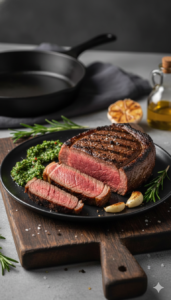



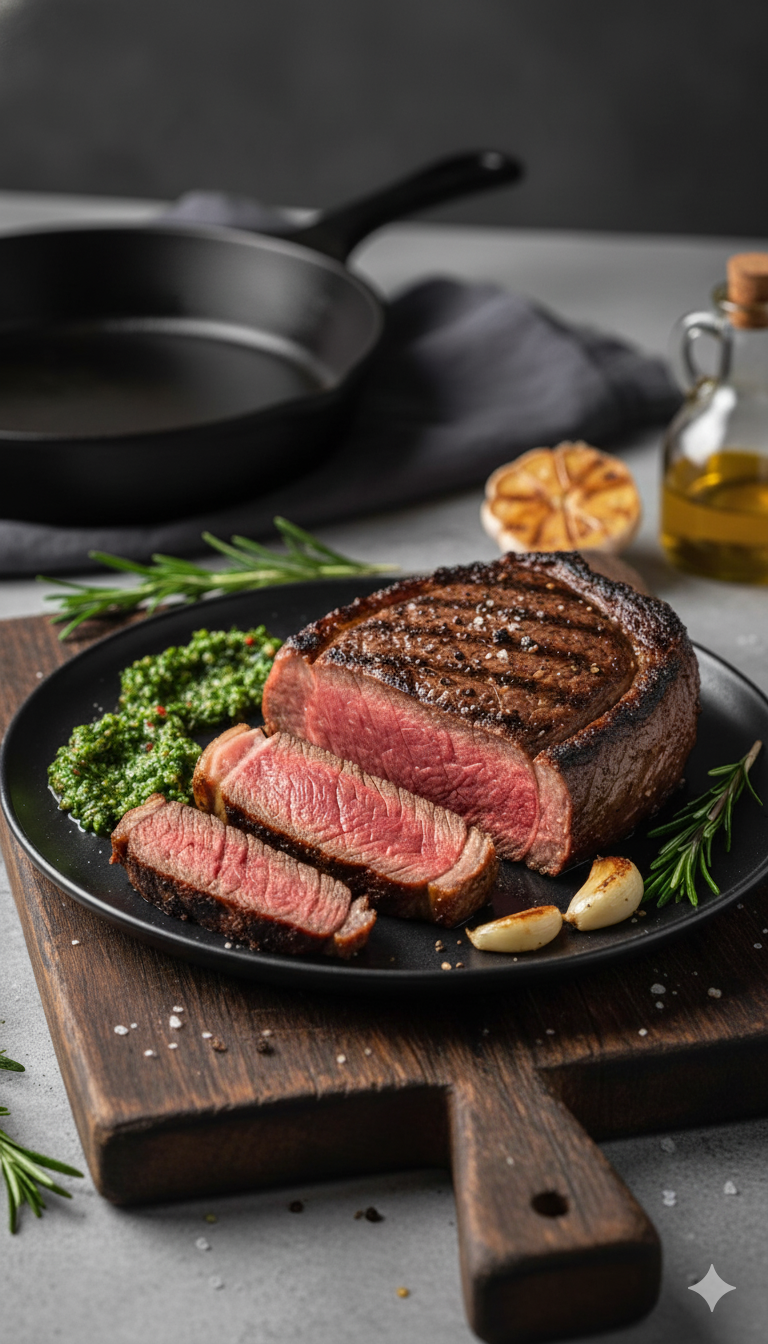
There’s something almost ritualistic about savoring a perfectly cooked steak-a dance of sight, smell, adn taste that transforms a simple meal into a celebration of flavor and texture.Behind every juicy, tender bite lies a blend of artistry and precision, where culinary tradition meets scientific understanding. In “Savoring Steak: The Art and Science Behind Perfect Cuts,” we embark on a flavorful journey that unravels how the choice of cut,marbling,aging,and cooking techniques converge to create that elusive ideal steak experience. Whether you’re a seasoned grill master or an eager home cook,discovering the secrets behind steak perfection will deepen your appreciation and elevate every future bite.
Understanding Steak Cuts from Ribeye to Filet mignon: exploring Flavor Profiles and texture Variations
Savoring steak begins with appreciating the subtle yet distinct differences between prized cuts such as ribeye and filet mignon. Each steak brings its own story of texture, marbling, and flavor-elements that converge to elevate your dining experience. Whether you crave the buttery tenderness of a filet or the rich, robust bite of a ribeye, knowing what makes each cut unique is the first step toward culinary mastery.
Prep and Cook Time
- Preparation: 10-15 minutes
- Cooking: 8-12 minutes (depending on cut and thickness)
- Resting Time: 5-10 minutes
Yield
- Serves 2-4, depending on portion size
Difficulty Level
- Medium - Requires attention to timing and temperature but accessible with practice
Ingredients
- 2 (8-10 oz) ribeye steaks, 1.5-inch thick, room temperature
- 2 (6-8 oz) filet mignon steaks, 1.5-inch thick, room temperature
- 2 tbsp high-smoke point oil (such as avocado or grapeseed oil)
- 2 tsp kosher salt, preferably flaky sea salt
- 1 tsp freshly ground black pepper
- 2 tbsp unsalted butter (optional, for finishing)
- 2 sprigs fresh thyme or rosemary (optional)
- 2 cloves garlic, crushed (optional)
instructions
- Bring Steaks to Room Temperature: Remove steaks from the refrigerator for at least 30 minutes before cooking. This ensures even cooking and enhances juiciness.
- Season Generously: Pat steaks dry with paper towels. Season both sides with kosher salt and black pepper, helping the seasoning penetrate the meat’s surface to deepen flavor.
- preheat your Pan or Grill: Use a heavy-bottomed cast iron skillet or a grill heated to high.Add the high-smoke point oil and allow it to shimmer but not smoke.
- Mastering the sear: Place the ribeye on the pan first, letting it sizzle undisturbed for 3-4 minutes until a deep golden crust forms. Flip and repeat for another 3 minutes.Ribeye’s marbling is your secret weapon here-render that fat slowly to amplify juiciness.
- Sear the Filet Mignon: It requires a slightly gentler touch-sear the filet for 3 minutes on each side. Due to its low fat content, it benefits from a shorter sear to preserve tenderness.
- Enhance with butter & Aromatics: During the last minute of cooking, add butter, herbs, and garlic to the pan. Tilt the pan and spoon the infused butter over the steaks to enrich flavor and promote caramelization.
- Check Doneness: Use a meat thermometer-120°F for rare, 130°F for medium-rare, 140°F for medium. Remember, steaks will continue to cook while resting.
- Rest Your Steaks: Transfer steaks to a warm plate and tent loosely with foil. Resting for at least 5-8 minutes lets the juices redistribute, ensuring each bite bursts with flavor and moisture.
Chef’s Notes
- Understanding Marbling: Intramuscular fat-known as marbling-is the hallmark of a juicy, flavorful steak. Ribeye boasts generous marbling that melts during cooking,enriching every bite. Filet mignon, by contrast, is leaner but prized for its tender texture.
- Variations: For a smoky twist, try cooking over wood charcoal or adding smoked salt just before serving.
- Substitutions: Use clarified butter or ghee if you want a higher smoke point for searing.
- Common pitfalls: Avoid over-flipping the steak; a single flip helps develop a superior crust.
- Make-Ahead Tip: Season steaks up to 24 hours before cooking and refrigerate uncovered to deepen flavor through dry brining.
Serving Suggestions
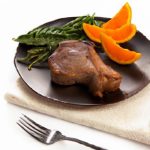
Present your perfectly cooked steaks on warm plates, garnished with a sprig of fresh thyme or rosemary and a pat of herb butter melting on top. Serve alongside crispy roasted potatoes or a vibrant arugula salad dressed with lemon vinaigrette for balance.A bowl of creamy mashed cauliflower or grilled asparagus complements the richness beautifully.
| Nutrient | Ribeye (per 8 oz) | Filet Mignon (per 6 oz) |
|---|---|---|
| Calories | 600 kcal | 350 kcal |
| protein | 56 g | 44 g |
| Carbohydrates | 0 g | 0 g |
| Fat | 45 g | 15 g |
Savoring Steak: The Science Behind the Perfect Sear
Achieving the perfect sear is a science and an art. the Maillard reaction-a chemical interaction between amino acids and reducing sugars-builds the complex, savory crust steak lovers crave. When you heat the steak to the right temperature and avoid overcrowding the pan, that golden crust forms beautifully, locking in flavor and moisture. Beyond technique, understanding the steak’s cut guarantees you cater cooking times and temperatures to accentuate natural textures and marbling.This knowledge gives home cooks confidence to create restaurant-quality steaks every time.
For a deeper dive into steak cuts and techniques to elevate your grilling game, visit our Ultimate Guide to steak Grilling Techniques. Also, explore the detailed USDA resource on Beef Cuts and Meat Quality to enrich your understanding of how science meets the art of great steak.

Q&A
Savoring Steak: The Art and Science Behind Perfect Cuts – Q&A
Q1: What makes a steak truly remarkable?
A1: A truly exceptional steak is a harmonious blend of quality, technique, and timing. It begins with selecting the right cut-well-marbled,tender,and fresh-and extends to how it’s seasoned,cooked,and rested.The perfect steak strikes a balance between a flavorful crust and a juicy, tender interior, engaging all the senses from aroma to texture.
Q2: How vital is the cut of steak for flavor and tenderness?
A2: The cut defines the steak’s personality. Cuts like Ribeye boast rich marbling, imparting a buttery flavor and juicy bite, while Filet Mignon offers unparalleled tenderness with a milder taste. Each cut has unique muscle structures and fat distributions, influencing how it cooks and tastes. Understanding these differences is essential to savoring steak at its best.
Q3: Why does marbling matter so much?
A3: Marbling refers to the fine streaks of fat woven through the muscle. This fat melts during cooking, basting the meat internally and enhancing juiciness and flavor depth. Steaks with abundant marbling frequently enough boast a richer, more succulent eating experience-think of it as nature’s seasoning woven into the meat itself.
Q4: What role does seasoning play in perfecting a steak?
A4: Seasoning is your canvas. Salt, especially applied well before cooking, helps draw out moisture before reabsorbing it, tenderizing and intensifying the steak’s flavor. Pepper adds a touch of heat and complexity but should be applied more delicately to avoid burning. Minimalism here lets the meat’s natural flavors shine while enhancing its inherent character.
Q5: How does cooking temperature affect the steak’s outcome?
A5: Temperature is the maestro conducting the symphony of flavor and texture. High heat creates a Maillard reaction-a flavorful crust rich in complexity-while careful control over internal temperature prevents overcooking. Rare to medium-rare preserves juiciness and tenderness, whereas higher doneness can yield firmer textures but risks drying the meat.
Q6: What’s the science behind resting a cooked steak?
A6: Resting is essential frequently enough overlooked. As steak cooks, juices move toward the surface. resting allows these fluids to redistribute evenly throughout the meat, preventing a dry cut when sliced. Typically, resting 5 to 10 minutes enhances both moisture retention and flavor intensity, turning a good steak into a memorable one.
Q7: Are there any techniques to elevate less expensive cuts?
A7: Absolutely-technique can transform humble cuts into culinary delights. Marinating with acidic ingredients like citrus or vinegar can tenderize, while slow cooking or sous-vide ensures even cooking and maximizes tenderness. pairing with finishing touches-like a touch of herb butter or a sprinkle of smoked sea salt-can elevate flavor and texture beyond expectations.
Q8: How does the aging process impact steak?
A8: aging, whether dry or wet, deepens flavor and tenderness through enzymatic breakdown of muscle fibers and concentration of taste. Dry-aged steaks develop nutty, intense flavors and firmer texture, while wet-aging tends to enhance juiciness and subtle brightness.each method offers distinct characteristics that cater to different palate preferences.
Q9: Can the type of cattle or feed influence steak quality?
A9: Yes, the breed, diet, and environment play pivotal roles. Grass-fed cattle often produce leaner meat with a distinct, earthy flavor, while grain-fed cattle generally yield more marbling and a buttery taste.Heritage breeds sometimes impart unique taste nuances,contributing to the steak’s story and character before it ever hits the grill.
Q10: What is the final secret to savoring every bite?
A10: Mindful eating transforms steak from a meal into an experience.Savor the interplay of flavors-the caramelized crust,the tender meat,the aroma-and take your time. Pair it with thoughtful sides and enjoy the textures and sensations. Steak is not mere sustenance; it’s an art form to be celebrated bite by savory bite.
In Conclusion
savoring steak is more than just a meal-it’s an experience that marries culinary artistry with scientific precision. From the choice of cut to the nuances of seasoning,resting,and slicing,every step plays a vital role in transforming simple beef into a masterpiece of flavor and texture. Whether you’re a seasoned chef or an eager home cook,understanding the art and science behind the perfect steak not only elevates your cooking but also deepens your appreciation for this timeless indulgence. So next time you take that first tender, juicy bite, remember: you’re tasting the delicious result of tradition, technique, and thoughtful care-truly a celebration of steak at its finest.