




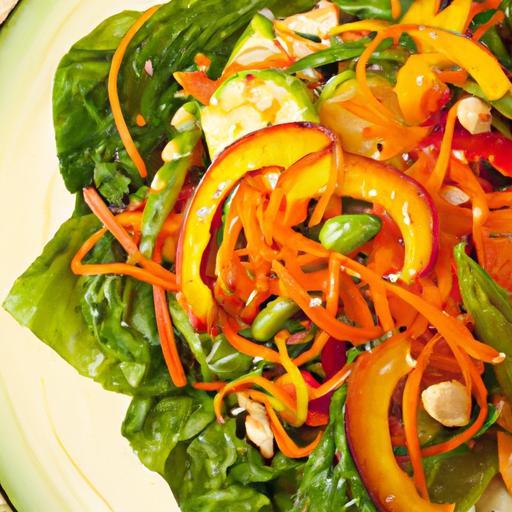
As the seasons change, so do the vibrant colors and flavors that nature generously offers. Embracing the bounty of fresh, seasonal vegetables not only elevates your meals with crisp textures and vivid hues but also nourishes your body with peak freshness and nutrients. In this article, we’ll dive into the art of crafting the perfect seasonal veggie stir-fry – a quick, versatile, and flavorful dish that celebrates the essence of each harvest. Whether it’s the tender snap of spring asparagus or the hearty sweetness of autumn squash, join us as we explore how to transform garden-fresh ingredients into a sizzling symphony of taste and health.
Fresh Flavors begin with selecting vibrant, seasonal vegetables that not only enhance your stir-fry’s taste but also deliver a nutrient-rich punch. Imagine the crisp snap of young snap peas, the brightness of tender baby carrots, and the earthy sweetness of shiitake mushrooms coming together in one sizzling wok. Seasonal produce picks the moment when vegetables are at their most flavorful-picked at peak ripeness, bursting with natural sugars and perfect textures.This is the secret to transforming simple stir-fries into a vivid, mouthwatering experiance.
Prep and Cook Time
- Planning time: 15 minutes
- Cook Time: 10 minutes
- Total Time: 25 minutes
Yield
Serves 4 generous portions
Difficulty Level
Easy to Medium - Perfect for busy weeknights or weekend creativity
Ingredients
- 1 cup snap peas, strings removed
- 1 cup baby carrots, halved lengthwise
- 1 cup shiitake mushrooms, stems discarded, sliced
- 1 medium red bell pepper, thinly sliced
- 1 small zucchini, julienned
- 3 green onions, chopped (white and green parts separated)
- 2 cloves garlic, minced
- 1 tablespoon fresh ginger, minced
- 2 tablespoons vegetable oil (e.g., grapeseed or canola)
- For the marinade and sauce:
- 3 tablespoons soy sauce (low sodium preferred)
- 1 tablespoon toasted sesame oil
- 1 tablespoon rice vinegar
- 1 tablespoon maple syrup or honey
- 1 teaspoon chili garlic sauce (optional, adjust to heat preference)
- 1 teaspoon cornstarch dissolved in 2 tablespoons water (to thicken sauce)
- Salt and freshly ground black pepper, to taste
- Sesame seeds and fresh cilantro leaves for garnish
Instructions
- Prepare the vegetables: Wash and dry all vegetables thoroughly to prevent excess moisture. Cut them uniformly to ensure even cooking and a balanced texture in your stir-fry.
- Mix the marinade: In a small bowl, whisk together soy sauce, toasted sesame oil, rice vinegar, maple syrup, and chili garlic sauce. Set aside.
- Heat the wok or large skillet: Over high heat, add vegetable oil. Let it shimmer but not smoke.
- Sauté aromatics: Add minced garlic and ginger along with the white parts of green onions. Stir constantly until fragrant, about 30 seconds, making sure not to burn them.
- Add vegetables by texture: Incorporate the carrots and bell pepper first as they take longer to cook. Stir-fry for 2-3 minutes.
- Add medium-texture veggies: Toss in the snap peas, shiitake mushrooms, and zucchini. Continue stir-frying for another 3 minutes or until vegetables are tender-crisp.
- Pour in the marinade: Give the sauce a quick stir and add it to the wok. Stir continuously as the sauce thickens. If needed, add the dissolved cornstarch to achieve a glossy coating over the vegetables.
- Season and finish: Adjust seasoning with salt and pepper.toss in the green parts of the green onions. Stir just to combine, preserving their fresh mild crunch.
- Plate and garnish: Transfer your stir-fry to warm serving dishes, sprinkling sesame seeds and fresh cilantro leaves for a burst of texture and color.
Tips for Success
- Balance is key: Select a variety of vegetables with contrasting textures-crunchy carrots and snap peas, meaty mushrooms, and tender zucchini create interest and depth.
- Marinating magic: For an intensified flavor, marinate your vegetables in the sauce mixture for 10 minutes before cooking, especially if using heartier vegetables like broccoli or cauliflower.
- Control heat: Use a wok or heavy skillet and keep your stove on high heat. Quick cooking preserves nutrients and keeps veggies crisp and colorful.
- Oil choice matters: Grapeseed or canola oil have high smoke points, preventing bitterness and burnt flavors during stir-frying.
- Substitutions: Swap shiitake mushrooms for cremini or oyster mushrooms, and baby carrots for thinly sliced regular carrots if fresh baby carrots aren’t available.
- Make ahead: Prep all your vegetables and sauce beforehand for a speedy cook session. Stir-fries shine best as freshly cooked dishes.
Serving Suggestions
Serve your vibrant seasonal veggie stir-fry over a fluffy bed of jasmine rice or your favourite whole grain. For added protein, consider topping with toasted crushed peanuts or serve alongside steamed edamame. Garnish with extra fresh cilantro leaves and a wedge of lime for a zesty finish.A simple drizzle of extra sesame oil before serving elevates the earthy flavors, while a side of pickled ginger offers a zingy counterpoint.

| Nutrient | Per Serving |
|---|---|
| Calories | 180 kcal |
| Protein | 5 g |
| Carbohydrates | 22 g |
| Fat | 7 g |
Balancing Textures and colors for Fresh Flavors
Creating a dish that dances on the palate involves more than just taste-it’s about the visual feast and the interplay of textures. Fresh Flavors become truly unforgettable when your stir-fry showcases a kaleidoscope of color, from the radiant orange of carrots to the deep crimson of bell peppers, punctuated by the earthy brown mushrooms and glossy greens of snap peas and scallions. The crunch of vegetables like carrots and peas contrasts beautifully with the tender bite of mushrooms and zucchini, turning every mouthful into a delightful surprise.
Mastering Marinades and Sauces That Complement Seasonal Veggies
Building a sauce that sings with fresh vegetables is an art. Begin with a well-balanced soy base, layered with toasted sesame oil’s nuttiness, and the tang of rice vinegar to cut through richness. Sweetness from maple syrup or honey enhances caramelization and boosts natural vegetable sugars as they cook. Adjust heat via chili garlic sauce for a subtle kick without overwhelming delicate produce. Remember to thicken your sauce just enough to cling,enhancing every bite without drowning the ingredients.
Essential Cooking Techniques to Preserve Nutrients and Enhance Taste
Stir-frying is more than tossing veggies in a pan; it’s a technique that demands timing and attention. Using high heat and swift motions locks in nutrients and colors while maintaining crispness. Prepping vegetables uniformly ensures that each component cooks evenly, avoiding sogginess or burnt bits. Avoid overcrowding the pan; this lowers temperature and leads to steaming rather than searing. By tossing frequently and cooking in batches if needed, you preserve that fresh texture to the very last bite.
For deeper insights on choosing seasonal vegetables, visit Fruits & Veggies – More Matters. For more inspiring stir-fry recipes, check out our Vegetarian Stir-Fry Ideas article.
Q&A
Q&A: Fresh Flavors – Crafting the Perfect Seasonal Veggie Stir-Fry
Q1: why is a seasonal veggie stir-fry a great choice for fresh, flavorful meals?
A1: Seasonal veggies are at their peak of freshness, bursting with vibrant colors, crisp textures, and natural sweetness. Using them in a stir-fry highlights their best qualities, making each bite exciting and nourishing. Plus, seasonal produce supports local farmers and reduces the environmental footprint.
Q2: How can I choose the best vegetables for a seasonal stir-fry?
A2: Start with what’s abundant and fresh in your local market or garden. Look for firm, brightly colored veggies without blemishes. For a balanced stir-fry, pick a variety of textures and flavors-think crunchy carrots, tender snap peas, earthy mushrooms, and leafy greens. Seasonal guides or farmer’s market staff can be great resources.
Q3: What’s the key to getting that perfect texture in a veggie stir-fry?
A3: Timing and heat are crucial. Cook denser vegetables like carrots and broccoli first, giving them a head start at high heat to keep them crisp-tender. Add delicate greens and quick-cooking veggies last to preserve their vibrancy and tenderness.Stir constantly to ensure even cooking without over-softening.
Q4: How can I infuse my stir-fry with layers of flavor without overwhelming the vegetables?
A4: Use aromatics such as ginger, garlic, and scallions as the foundation, sautéing them briefly to release their fragrance. Incorporate umami-rich ingredients like soy sauce, tamari, or miso for depth, balanced with a touch of sweetness from maple syrup or honey. A splash of acid-like rice vinegar or freshly squeezed lime juice-brightens the entire dish.
Q5: Are there any secret tricks to make a veggie stir-fry more exciting and well-rounded?
A5: Absolutely! Toast some sesame seeds or crushed peanuts for a delightful crunch. Add fresh herbs like cilantro or Thai basil at the end for a burst of freshness. Sometimes, a drizzle of toasted sesame oil right before serving can elevate the aroma to a whole new level. experiment with textures and finishing touches to suit your palate.
Q6: Can I prepare a stir-fry ahead of time without losing its freshness and crunch?
A6: It’s best to cut and prep all ingredients in advance but stir-fry just before serving to maintain their crispness. If you must cook ahead, slightly undercook the veggies and quickly reheat them in a hot pan, adding a splash of water or broth to revive moisture without steaming them into mush.Q7: What’s a good protein pairing for a seasonal veggie stir-fry that keeps the dish light and wholesome?
A7: Plant-based proteins such as firm tofu,tempeh,or edamame complement stir-fries beautifully. They soak up the sauce and add satisfying texture without overpowering the vegetables. For non-vegetarian options, lean chicken or seafood work well if you prefer an animal protein that maintains the dish’s freshness.
Q8: How can I keep my stir-fry colorful and visually appealing?
A8: Variety is the magic word. Use a spectrum of veggies-reds, yellows, greens, and purples not only bring visual delight but also pack different nutrients. Slice vegetables uniformly for even cooking and a clean presentation. Finish with garnishes like sliced chili, chopped nuts, or a sprinkle of sesame seeds to make the plate pop.
Q9: What kitchen tools make veggie stir-frying easier and more efficient?
A9: A sturdy wok or a large, heavy skillet with high sides allows for fast, even cooking with plenty of tossing room. A sharp chef’s knife is essential for quick and precise chopping. A slotted spoon or spatula designed for stir-frying helps turn veggies vigorously without bruising them.
Q10: How can I turn my seasonal veggie stir-fry into a complete meal?
A10: Serve it atop a bed of steamed brown rice,quinoa,or noodles to soak up those delightful flavors. Add a side of fresh cucumber salad or a miso soup for contrast and balance. Incorporating a source of protein, as mentioned, rounds out the dish for a nourishing one-bowl wonder that celebrates the season.
Future Outlook
as the seasons shift and nature’s bounty evolves, so too does the palette of your stir-fry, inviting endless creativity and nourishment to your table.Embracing fresh,vibrant vegetables not only celebrates the rhythms of the earth but also unlocks layers of flavor that transform a simple dish into a memorable experience. Whether you’re savoring tender spring peas, crisp summer peppers, or hearty autumn squash, crafting the perfect seasonal veggie stir-fry is an ongoing culinary adventure-one that nourishes both body and soul with every colorful, sizzling bite. So, gather your harvest, ignite your wok, and let the freshness of the season inspire your next stir-fry masterpiece.