



Beneath the rolling waves and shimmering tides lies a treasure trove of flavors often overlooked-the oceanS verdant bounty. Seaweed,long celebrated in coastal cuisines for its nutritional richness and unique texture,is now inspiring chefs and food enthusiasts to reimagine its potential in contemporary dishes. Among these innovations, seaweed tartare emerges as a captivating culinary art form, blending the vibrant freshness of the sea with delicate craftsmanship. In this exploration of ”Ocean’s Bounty: Exploring the Art of Seaweed Tartare,” we dive deep into the origins, techniques, and sensory wonders of this elegant dish, revealing how seaweed transforms from humble marine vegetation into a complex gastronomic experience.
Ocean’s Bounty serves as the perfect gateway to discovering seaweed tartare, a sublime dish that captures the vibrant and nuanced flavors of the ocean. This delicate preparation offers a refreshing departure from traditional tartares, introducing an umami-rich tapestry of seaweed varieties that bring both texture and freshness to every bite. Inspired by coastal cuisines and lasting foraging, seaweed tartare is a festivity of the ocean’s gifts, blending subtle brininess, mild sweetness, and a satisfying crunch that elevates your culinary repertoire.
Prep and Cook Time
- Preparation: 15 minutes
- Cook Time: 5 minutes (optional blanching)
- Total Time: 20 minutes
yield
Makes 4 servings
Perfect as a starter or a light, elegant main course.
Difficulty Level
Medium – Requires some familiarity with seaweed varieties and knife skills for fine chopping.
Ingredients
- 1 cup fresh dulse flakes (rinsed and finely chopped)
- ½ cup wakame seaweed (rehydrated and drained)
- ½ cup Irish moss (soaked and finely chopped)
- 1 small shallot, minced
- 2 tbsp toasted sesame seeds
- 1 tbsp fresh lemon juice
- 1 tbsp extra virgin olive oil
- 1 tsp tamari or soy sauce (gluten-free if desired)
- 1 tsp grated fresh ginger
- 1 small chili, finely sliced (optional for a kick)
- Fresh chives, finely sliced for garnish
- Sea salt and freshly cracked black pepper to taste
Instructions
- Prepare the seaweeds: First, rinse the dulse flakes to remove excess salt and sand. Soak wakame and Irish moss separately in cold water until fully rehydrated, then drain well, pressing out excess moisture.
- Chop finely: Using a sharp knife, finely chop each seaweed variety into small, uniform pieces.This enhances the tartare’s texture and eases blending the flavors together.
- Combine aromatics: In a mixing bowl,add the minced shallot,fresh ginger,fine chili slices (if using),and toasted sesame seeds. Stir gently to release fragrance.
- Mix the seaweed base: Add all chopped seaweeds to the bowl with aromatics. Drizzle olive oil, lemon juice, and tamari over the mixture. Season with salt and pepper sparingly-remember seaweed itself is naturally salty.
- Blend flavors: Toss gently but thoroughly to meld the components without crushing the seaweed. Let rest at room temperature for 10 minutes to allow the flavors to develop fully.
- Adjust seasoning: Taste and adjust acidity, saltiness, or heat to your liking. If you prefer a softer texture, a quick 1-2 minute blanch of the Irish moss before chopping can soften it further.
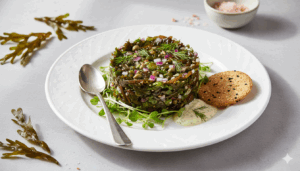
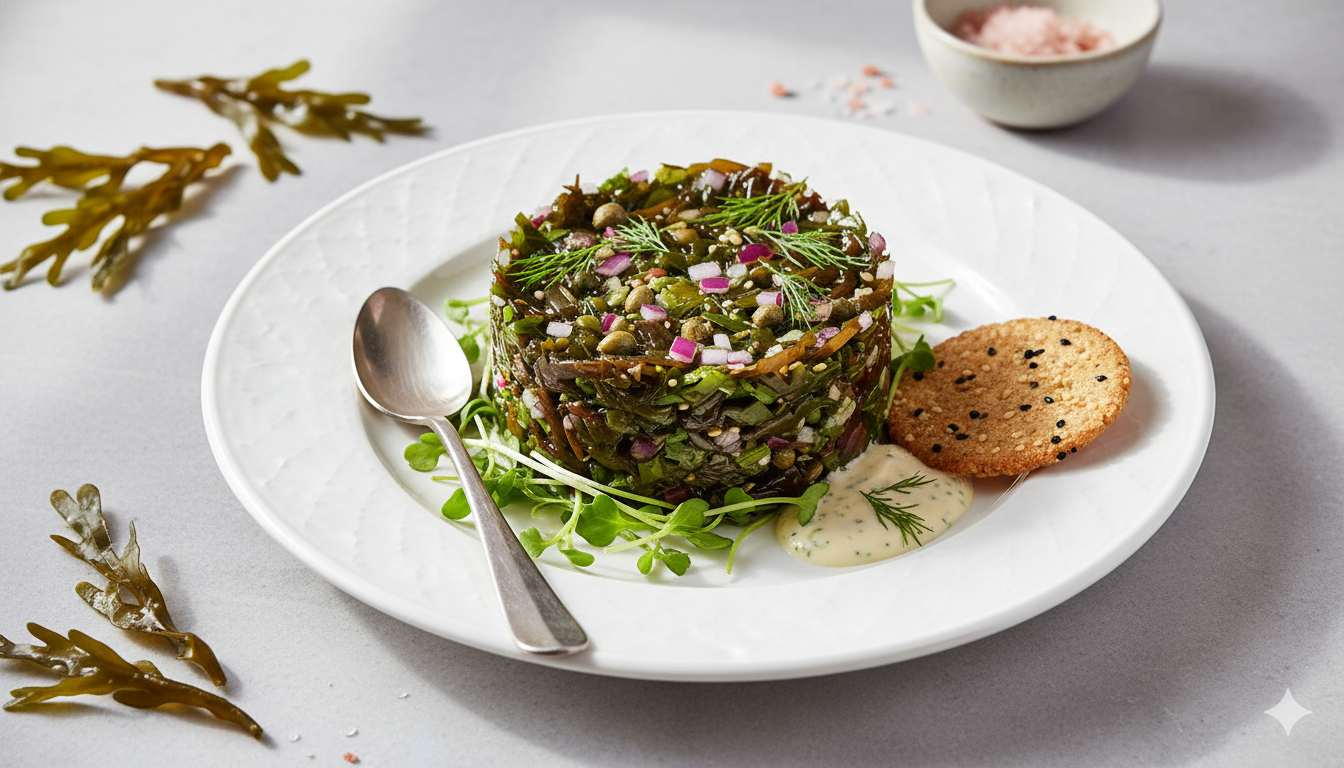
- Plate artistically: Use a ring mold to shape the tartare into neat rounds or serve spooned into shallow bowls. Garnish with fresh chives and an extra sprinkle of toasted sesame seeds for contrast and visual appeal.
Tips for Success: Mastering Seaweed Tartare
- Choose fresh, sustainably harvested seaweed: The freshest seaweed offers the best texture and flavor. Local Asian markets or specialty stores usually stock these varieties.
- Texture balance: Mix different textures like tender wakame and slightly chewy dulse to create a dynamic mouthfeel.
- Flavor harmony: Lemon juice brightens the natural oceanic flavors,while tamari adds depth. Avoid overpowering with salt as seaweed is inherently salty.
- Make-ahead tip: Prepare the tartare up to 2 hours ahead and keep chilled. The flavors intensify over time but serve within the day for optimal freshness.
- Substitutions: if Irish moss is unavailable, use finely chopped nori or kombu flakes with brief soaking to mimic texture.
Serving Suggestions to Complement the Oceanic Essence
To present your seaweed tartare beautifully, serve alongside crisp, lightly toasted gluten-free crackers or delicate cucumber ribbons for refreshing crunch. A small dollop of avocado puree adds creaminess that balances the briny notes. Garnish with edible flowers or microgreens to enhance the visual appeal and freshness. For a taste contrast, pair with sustainably sourced seafood salad or a chilled glass of sparkling water infused with citrus herbs.
Pro Tip: A drizzle of toasted sesame oil just before serving introduces a toasty aroma that accentuates the seaweed’s complexity.

| Nutrient | Per Serving |
|---|---|
| Calories | 85 kcal |
| Protein | 4 g |
| Carbohydrates | 8 g |
| Fat | 5 g |
For more inspiration on seaweed uses in cooking, check out our extensive guide to seaweed recipes that unlock the ocean’s potential in your kitchen.
Q&A
Q&A: Ocean’s Bounty – Exploring the Art of Seaweed Tartare
Q1: What is seaweed tartare, and why is it gaining popularity in contemporary cuisine?
A1: Seaweed tartare is a vibrant, plant-based dish that takes inspiration from traditional tartares, replacing meat or fish with a medley of finely chopped seaweeds. its rising popularity stems from the growing interest in sustainable, nutrient-rich foods and the unique umami flavors that seaweed offers. it’s a refreshing way to taste the ocean’s bounty without relying on animal proteins.
Q2: Which types of seaweed are most commonly used in making seaweed tartare?
A2: popular seaweeds for tartare include nori, wakame, dulse, and kombu. Each variety contributes distinct textures and flavor notes-from sweet and tender to briny and chewy-creating a complex and layered taste experience reminiscent of the sea itself.
Q3: How does one prepare seaweed for tartare to bring out the best flavor and texture?
A3: Preparation begins with carefully rehydrating dried seaweeds in cold water, then draining and gently squeezing out excess moisture. Chopping them finely ensures the tartare melds harmoniously with other ingredients. Seasoning with acid (like citrus or vinegar),oils,and aromatics can elevate the natural flavors,while preserving the oceanic essence.
Q4: What complementary ingredients enhance a seaweed tartare’s profile?
A4: Fresh herbs like chives or cilantro add a radiant contrast, while finely diced cucumber or radish introduce crunch and freshness. A splash of citrus juice or a touch of tamari adds depth and brightness. Toasted sesame seeds or a drizzle of toasted sesame oil can impart a nutty finish, rounding out the dish beautifully.
Q5: Can seaweed tartare be served as a standalone dish or paired with other foods?
A5: Seaweed tartare shines either way. It’s often served elegantly as an appetizer or a light main dish, accompanied by crisp crackers, rice cakes, or fresh vegetable crudités.Its refreshing bite also complements grain bowls and wraps, adding an oceanic twist without overwhelming other flavors.
Q6: What nutritional benefits does seaweed tartare offer?
A6: Seaweed is a powerhouse of minerals such as iodine,calcium,and iron,alongside vitamins A,C,and K. It’s rich in antioxidants and dietary fiber, supporting digestion and overall wellness. Incorporating seaweed tartare into your diet can be both a flavorful and healthful choice.Q7: How can one experiment creatively with seaweed tartare in the kitchen?
A7: Creativity abounds with this versatile dish! Try blending different seaweed types for varied textures or infusing the tartare with citrus zest, chili flakes, or fresh ginger. Experiment with plant-based creamy elements like avocado or tahini for richness. The ocean’s bounty invites endless exploration.
To Wrap It Up
As we peel back the layers of Ocean’s Bounty, the art of seaweed tartare reveals itself not just as a dish, but as a vibrant celebration of the sea’s hidden treasures. This delicate blend of ocean flavors and textures invites us to rethink seafood beyond the familiar, embracing sustainability and creativity on our plates. Whether you’re a seasoned foodie or a curious newcomer, seaweed tartare offers a refreshing dive into culinary innovation that nourishes both body and planet. So next time you seek a taste that’s fresh, bold, and brimming with coastal charm, let the tide guide you to this exquisite edible mosaic-where the ocean’s bounty meets the art of fine dining.