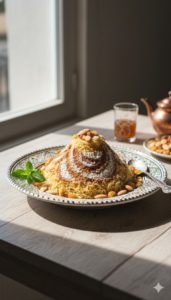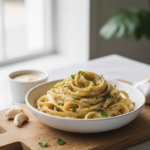

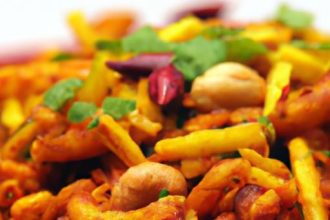

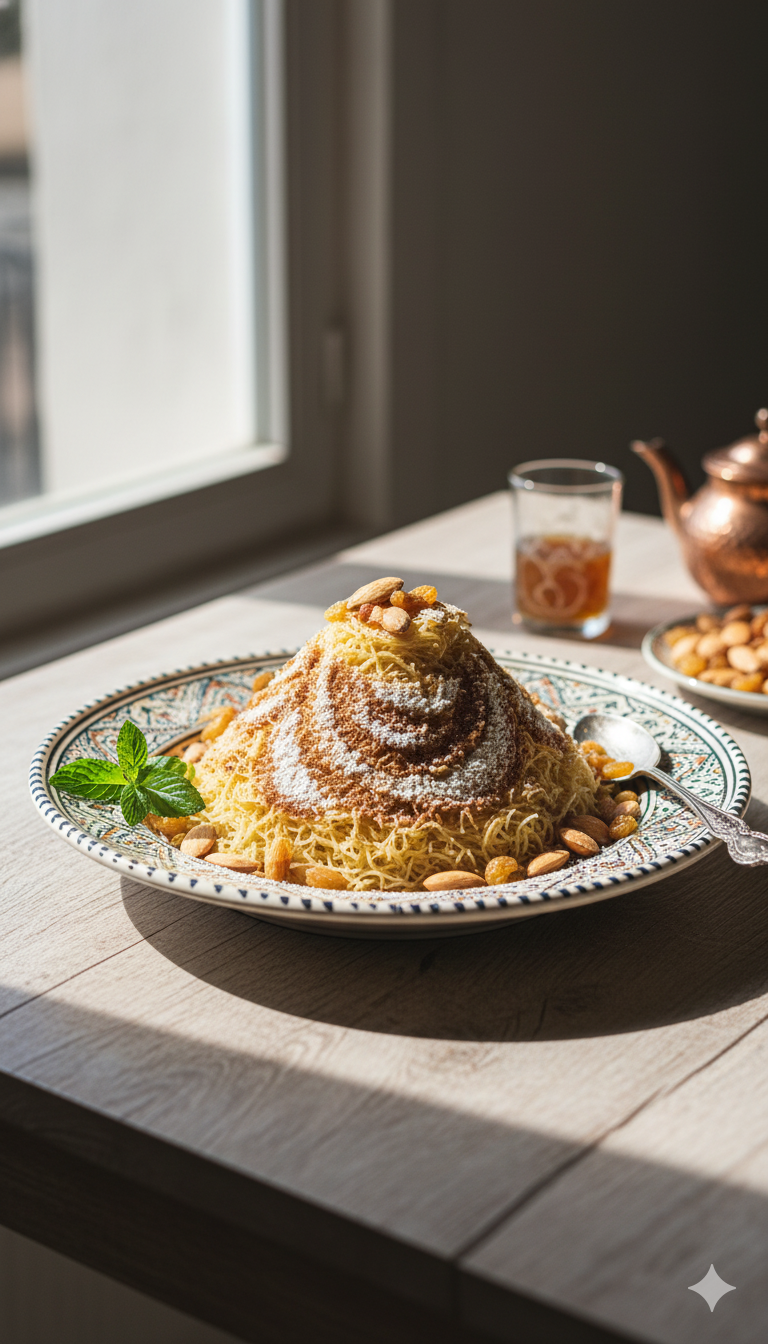
In the rich tapestry of North African cuisine, certain dishes transcend mere sustenance to become vibrant stories told through flavor and tradition. Among these, Seffa stands out as a sweet, aromatic festivity that invites both the curious and the seasoned foodie on an unforgettable journey. Frequently enough adorned with a delicate dusting of powdered sugar, fragrant cinnamon, and a scattering of toasted almonds or raisins, Seffa weaves together layers of history, culture, and culinary artistry. This article unfolds the essence of Seffa, unveiling its origins, variations, and the deep-rooted significance it holds in the kitchens and hearts of North Africa. Join us as we explore the sweet symphony that is Seffa, a dish that delights the senses and warms the soul.
Seffa, a captivating jewel in North African gastronomy, invites you into a world where the warmth of toasted semolina meets the sweetness of fragrant cinnamon and powdered sugar. This dish gracefully balances savory and sweet elements,embodying centuries of culinary tradition passed down through generations.Rooted deeply in Moroccan and Algerian festivities, Seffa delights tables during celebratory gatherings, symbolizing harmony and abundant hospitality.
Prep and Cook Time
- Planning: 20 minutes
- Cooking: 30 minutes
- Total: 50 minutes
Yield
Serves 6-8 guests
Difficulty Level
Medium – Requires attention to texture and layering flavors
Ingredients
- 2 cups couscous (medium or fine grain)
- 3 tablespoons unsalted butter, melted
- 1 teaspoon ground cinnamon, plus extra for garnish
- ½ cup powdered sugar, divided
- 1 cup whole blanched almonds, toasted
- 1 tablespoon orange blossom water
- zest of 1 lemon (optional for a shining note)
- Pinch of salt
- ½ cup warm water
- 2 tablespoons vegetable or olive oil
instructions
- Prepare couscous: In a large bowl, place the couscous. Pour over the warm water and a pinch of salt, gently mixing with your fingers to evenly moisten. Cover and let it rest for 10 minutes,allowing the grains to absorb the water fully.
- Fluff and mix: Once rested,use a fork to fluff the couscous grains,breaking up any clumps carefully to maintain airiness.
- Add butter and spices: Slowly drizzle the melted butter, ground cinnamon, and orange blossom water over the couscous while folding gently. This step boosts aroma and delivers the signature fragrant warmth of Seffa.
- Steam the couscous: Place the couscous in a steamer basket lined with cheesecloth or a clean kitchen towel. Steam over simmering water for 15 minutes. remove,fluff again,and repeat the steaming process once more for maximum lightness.
- Prepare almonds: While steaming, toast the blanched almonds in a dry skillet over medium heat until golden, approximately 5 minutes. Let cool.
- Layer and sweeten: Transfer the fluffy couscous to a serving dish. Generously sprinkle half the powdered sugar over the couscous and gently toss to combine. Sprinkle additional cinnamon and lemon zest atop for brightness.
- Garnish: Neatly pile the toasted almonds on top or weave through the couscous layers. Dust remaining powdered sugar and cinnamon over the final presentation for an inviting shimmer.
Chef’s Notes
- Variation: For a nutty twist,substitute almonds with toasted pistachios or a blend of hazelnuts and walnuts.
- Moisture balance: Avoid over-wetting the couscous initially as it could become mushy; the goal is delicate,distinct grains.
- Make-ahead tip: You can prepare the couscous base a few hours in advance and re-steam before serving to refresh texture and warmth.
- Cinnamon depth: Toast ground cinnamon briefly in a dry pan before mixing for an intensified aroma.
Serving Suggestions
Serve seffa warm as a stunning side or a sweet centerpiece during festive meals. It pairs exceptionally well with gently spiced tagines, such as chicken with preserved lemons and olives, or lamb with apricots. For beverages, traditional North African mint tea enhances the dish’s aromatic sweetness, while a chilled almond milk complements the nutty profile. Garnish with a few fresh mint leaves or edible rose petals to mesmerize the eyes and spirit.

| Nutrient | Per Serving |
|---|---|
| Calories | 320 kcal |
| Protein | 7 g |
| Carbohydrates | 45 g |
| Fat | 12 g |
Exploring the Focus Keyword
Integrating the focus keyword across this explorative culinary journey ensures you discover not just how to recreate Seffa, but truly immerse yourself in North African culture through its vibrant flavors and time-honored preparation. For enthusiasts keen on expanding their Moroccan repertoire, consider reading our detailed guide on moroccan Tagine Recipes, or delve deeper into the cultural significance of couscous on Britannica.
Q&A
Q&A: Seffa Unveiled – A Sweet Journey Through North African Cuisine
Q1: What is Seffa, and where does it come from?
A1: Seffa is a traditional North African dish, beloved especially in Morocco and Algeria. It’s a fragrant, sweetened couscous or vermicelli-based dish that frequently enough embodies the blend of savory and sweet flavors characteristic of the region’s culinary heritage. Widely enjoyed during family celebrations and special occasions, Seffa is a shining example of the region’s mastery in combining textures and aromas.
Q2: What are the main ingredients of Seffa?
A2: Seffa typically features couscous or vermicelli as its base, steamed to light and fluffy perfection. It’s then adorned with a generous dusting of powdered sugar and cinnamon, along with toasted almonds or other nuts for crunch. Sometimes, tender chicken or meat is added beneath or alongside, infused with aromatic spices like saffron, ginger, and turmeric to create a beautiful balance between savory and sweet.
Q3: How is Seffa traditionally prepared?
A3: The preparation of Seffa is a labor of love. Couscous grains or thin noodles are steamed multiple times to achieve an extremely delicate texture, often using a special pot called a couscoussier. Simultaneously occurring, meats are slowly cooked with fragrant spices until tender. The final assembly layers the starchy base with meats or sometimes raisins and nuts, topped lavishly with powdered sugar and cinnamon-a sweet snow that transforms the dish into a celebration for both palate and eye.
Q4: Why is Seffa considered a festive dish in North African culture?
A4: Seffa’s vibrant presentation and harmonious mingling of sweet and savory flavors make it a centerpiece during joyous occasions such as weddings, Eid celebrations, and family gatherings. Its intricate preparation reflects hospitality and generosity, with a communal spirit inviting everyone at the table to savor the rich heritage it represents.
Q5: Are there variations of Seffa across different regions?
A5: absolutely! While the core concept remains consistent, some regions prefer using vermicelli noodles instead of couscous, sometimes steaming the noodles with saffron-infused water for extra aroma. Others may enhance the dish with dried fruits like apricots or dates, adding layers of natural sweetness. Some versions emphasize meat, while others serve it as a purely sweet and nutty side dish. This flexible nature highlights Seffa’s role as both a comfort food and culinary art.
Q6: Can Seffa be enjoyed as a vegetarian dish?
A6: Definitely. while many traditional recipes include meat, vegetarian variants are common and equally appetizing. Simply omit the meat and focus on the interplay between spiced couscous, toasted nuts, raisins, cinnamon, and sugar. Such versions shine as desserts or sweet side dishes-showcasing the vibrant flavors of North African spices without animal protein.
Q7: What makes Seffa unique compared to other North African dishes?
A7: Seffa stands out because it beautifully bridges the gap between savory and sweet-a hallmark combination in North African gastronomy. Unlike typical savory couscous dishes, Seffa incorporates sugar and cinnamon directly on top, transforming the grain into a dessert-like delicacy. This blend of textures-soft couscous, crunchy almonds, juicy dried fruits-and flavors creates a symphony that’s both comforting and exotic.Q8: How can food lovers around the world experience the essence of Seffa at home?
A8: To capture Seffa’s magic at home, start with high-quality couscous or vermicelli and practice the traditional steaming method to achieve that signature lightness. Embrace the layering technique: first the fluffy grain, then a drizzle of aromatic spiced broth or gently cooked vegetables or meat, followed by a dusting of powdered sugar and cinnamon, and a sprinkle of toasted almonds or sesame seeds. Pair it with warm mint tea to complete the North African sensory journey.
Q9: What cultural traditions are associated with the serving of Seffa?
A9: In many north African households,Seffa is served with great ceremony and shared communally around a low table. The host often presents the dish with pride, symbolizing abundance and affection. it’s common for diners to eat with the right hand, using bread or their fingers to scoop up the different layers, fostering a tactile and intimate dining experience that strengthens social bonds.
Q10: Why should Seffa be on every foodie’s bucket list?
A10: Seffa invites food lovers into a world where spices sing and textures delight-a dish that tells stories of legacy, celebration, and craftsmanship. Its unique sweetness woven into staple grains captures the heart of North African cuisine’s warmth and creativity. Trying Seffa is more than tasting; it’s experiencing a culinary tradition steeped in history and hospitality that resonates far beyond the plate.
In Conclusion
As we conclude our exploration of Seffa, this beloved North african delicacy reveals much more than its sweet, aromatic layers – it tells a story of heritage, community, and the art of transforming simple ingredients into a celebration on the plate. From fragrant couscous crowned with powdered sugar and cinnamon to the delicate crunch of toasted almonds and the subtle sweetness of dried fruits, Seffa invites us to savor not just a dish, but a timeless tradition. Whether enjoyed during festive gatherings or quiet moments of comfort, Seffa stands as a delicious testament to the rich tapestry of North African cuisine, reminding us that every bite connects us to a cultural legacy steeped in warmth and flavor. so next time you crave something both sweet and soulful, let Seffa be your guide on this enchanting culinary journey.