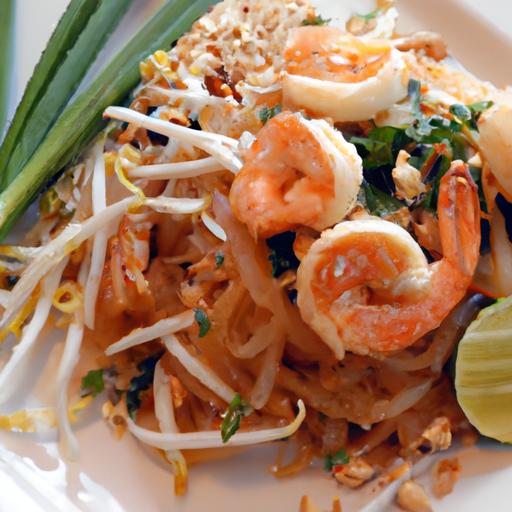


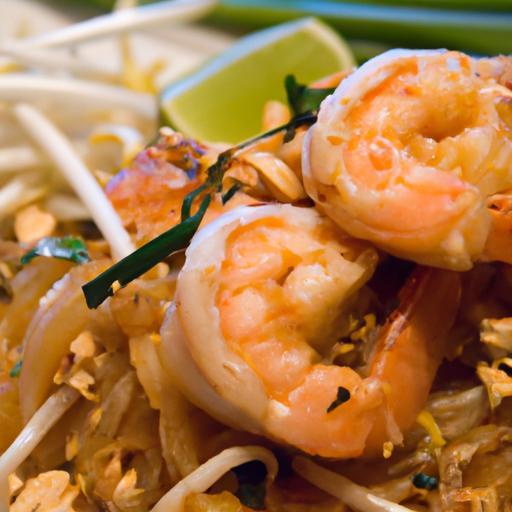
In the vibrant tapestry of Southeast Asian cuisine, few dishes shine as brightly as Pad Thai-a harmonious blend of tangy, sweet, and savory flavors that has captivated taste buds worldwide. Among its many variations, Shrimp pad Thai stands out as a particularly delightful twist, marrying succulent seafood with the dish’s signature ingredients to create a symphony of textures and tastes. Whether you’re a seasoned foodie or a curious home cook, exploring Shrimp Pad Thai offers a flavorful journey into the heart of Thai culinary tradition, where every bite tells a story of balance, freshness, and cultural heritage. Join us as we dive into the origins, ingredients, and techniques that make Shrimp Pad Thai a timeless classic reinvented for modern palates.
Exploring the Perfect Balance of Sweet Tangy and Savory in Shrimp Pad Thai
Shrimp Pad Thai is a vibrant celebration of flavors that dances effortlessly between sweet, tangy, and savory. This classic Thai street food favorite captivates with its harmonious blend of tamarind’s tang, palm sugar’s subtle sweetness, and the savory depth of fish sauce, all tossed together with tender shrimp and crunchy peanuts. Each bite tells a story of authentic Southeast Asian culinary tradition, yet it welcomes personal flair, making it a beloved dish in kitchens worldwide.As you dive into mastering this dish, you’ll discover how fresh ingredients play a starring role in achieving that sought-after flavor balance that elevates Shrimp Pad Thai beyond ordinary noodles.
Choosing the Freshest Ingredients for an Authentic Flavor Boost
To create an irresistible Shrimp Pad Thai, the quality and freshness of your ingredients cannot be overstated. Begin with fresh, plump shrimp - preferably wild-caught if available – peeled and deveined to ensure clean, juicy bites. Rice noodles should be soft yet firm, traditionally soaked rather than boiled to preserve their texture. Fresh bean sprouts, crisp green onions, and small garlic cloves amplify the aromatic profile, while a perfectly ripe lime provides radiant acidity. Don’t overlook the secret heroes: tamarind paste, palm sugar, and fish sauce – they bring authenticity and complexity that’s hard to replicate with substitutes. If tamarind paste is elusive, look for it in Asian markets or reputable online stores to guarantee an honest flavor foundation.
Prep and Cook Time
- Planning: 15 minutes
- cooking: 10 minutes
- Total: 25 minutes
Yield
Serves 4 generous portions, perfect for gatherings or satisfying family meals.
Difficulty Level
Medium. This recipe requires attention to timing and ingredient preparation but rewards with restaurant-quality results.
Ingredients
- 8 oz (225g) dried flat rice noodles, soaked in warm water for 30 minutes and drained
- 12 large shrimp, peeled and deveined
- 3 cloves garlic, finely minced
- 2 large eggs, lightly beaten
- 1 cup fresh bean sprouts
- 4 green onions, sliced thinly (white and green parts separated)
- 1/4 cup roasted peanuts, chopped
- 3 tablespoons tamarind paste
- 3 tablespoons fish sauce
- 2 tablespoons palm sugar (or light brown sugar as a substitute)
- 1 tablespoon vegetable oil (preferably peanut or canola oil)
- 1 lime, cut into wedges
- 1/2 teaspoon chili powder (optional, adjust for spice preference)
Step by Step Guide to Mastering the Classic Shrimp Pad Thai Technique
- Prepare the Sauce: In a small bowl, whisk together tamarind paste, fish sauce, and palm sugar until the sugar dissolves wholly. Set aside.
- Cook the Shrimp: Heat the vegetable oil in a large wok or non-stick skillet over medium-high heat. add the minced garlic and sauté until fragrant, about 30 seconds. Add the shrimp and cook until pink and opaque, about 2-3 minutes per side. Remove shrimp and set aside.
- Scramble the Eggs: Lower heat to medium.Add the beaten eggs to the wok, stirring quickly to scramble into soft curds. Once cooked, push eggs to one side of the pan.
- Combine Noodles and Sauce: Add the drained rice noodles to the wok. pour the prepared sauce evenly over them. Gently toss the noodles and eggs together, allowing the sauce to coat everything evenly. Cook for 2-3 minutes, stirring frequently to avoid sticking.
- Incorporate Shrimp and Veggies: Return the cooked shrimp to the pan along with the white parts of green onions and bean sprouts. Toss carefully to mix all ingredients without breaking the noodles.
- Final Touches: Remove from heat and plate immediately. Sprinkle generously with chopped peanuts, green onion tops, and chili powder if using. Serve with lime wedges on the side for a zesty squeeze just before eating.
Creative Garnishes and Serving Tips to Elevate Your Shrimp Pad Thai Experience
Presentation turns this beloved dish into a feast for the eyes as well as the palate. Top your Shrimp Pad Thai with a handful of vibrant cilantro leaves, fresh Thai basil, or thinly sliced red chilies for a pop of colour and extra aromatic layers. A sprinkle of crushed roasted peanuts adds delightful crunch, contrasting beautifully with the tender noodles. Serve on a wide, shallow plate to showcase the mélange of ingredients, accompanied by a wedge of lime for added brightness and a small bowl of chili flakes for those who crave heat. Pair the dish with a crisp cucumber salad or a light jasmine rice side for balance. For an adventurous twist, try swapping shrimp for tofu or scallops, maintaining the essence of the recipe but tailoring it to your preferences.
Tips for Success
- Don’t Overcook Noodles: Soak rice noodles in warm water until pliable but not mushy; they will finish cooking in the wok. Over-soaking risks a soggy texture.
- Tamarind Paste Quality: Choose a pure tamarind paste without added sugars or preservatives to get the authentic tangy flavor.
- High Heat is Essential: Use a hot wok or skillet to develop subtle smoky notes (“wok hei”)-this imparts a signature flair to your Shrimp Pad Thai.
- Balance the Sauce: Taste your tamarind-fish sauce mixture before cooking. Adjust sweetness or saltiness gradually for your preferred balance of sweet, tangy, and savory.
- Make Ahead: Prep your noodles, sauce, and garnishes in advance for a swift cooking experience. Shrimp is best cooked fresh but can be peeled and deveined earlier.
| Nutrient | Per Serving |
|---|---|
| Calories | 420 kcal |
| Protein | 32g |
| Carbohydrates | 45g |
| Fat | 12g |

For more inspiration on authentic Thai dishes, explore our Thai Cooking Basics guide. Also, learn more about the health benefits and culinary uses of tamarind from Britannica.
Q&A
Q: what makes Shrimp Pad thai a flavorful twist on the classic dish?
A: Shrimp pad Thai infuses the customary noodle stir-fry with the bright, oceanic sweetness of succulent shrimp. this addition not only enhances the dish’s texture but also brings a vibrant, fresh dimension to the familiar blend of tangy tamarind sauce, crunchy peanuts, and aromatic herbs.Q: How do you prepare the shrimp for Pad Thai to maximize flavor?
A: For maximum flavor, marinate the shrimp briefly in a mixture of lime juice, garlic, and a touch of chili. This preps the shrimp to soak up even more of the savory Pad Thai sauce during cooking,ensuring each bite bursts with zest and umami.
Q: What are the key ingredients that define Shrimp Pad Thai?
A: Essential ingredients include flat rice noodles, fresh shrimp, tamarind paste, fish sauce, palm sugar, garlic, eggs, bean sprouts, crushed peanuts, and a squeeze of fresh lime. Each component balances sweet, sour, salty, and spicy notes, creating the dynamic flavor that Pad Thai is known for.
Q: Can Shrimp Pad Thai be made gluten-free?
A: Absolutely! Use gluten-free tamari or coconut aminos rather of traditional soy sauce and confirm that your fish sauce does not contain additives with gluten. Pairing these with rice noodles keeps the dish naturally gluten-free and just as satisfying.
Q: What cooking techniques are essential to mastering Shrimp Pad Thai?
A: Fast, high-heat stir-frying is key. This method keeps the shrimp tender and juicy while allowing the noodles to absorb the rich sauce without becoming mushy. Timing is crucial-add ingredients in stages to preserve their individual textures and flavors.
Q: How can one adjust the spice level in Shrimp Pad Thai?
A: Spice can be tailored by adding fresh chili slices, chili flakes, or chili paste during cooking. For a milder dish, reduce or omit these ingredients and offer chili on the side, allowing each diner to choose their preferred heat level.
Q: What fresh garnishes elevate Shrimp Pad Thai?
A: Fresh bean sprouts, chopped cilantro, green onions, and a wedge of lime bring brightness and crunch. Toasted peanuts add a nutty depth, while a sprinkle of crushed red pepper can provide a visual pop and subtle kick.
Q: is Shrimp Pad Thai suitable for weeknight dinners?
A: Definitely. It’s a quick-cooking, one-pan meal that comes together in under 30 minutes, perfect for busy evenings when you crave something flavorful but fast. Plus, it reheats beautifully, making it great for leftovers.
Q: how does Shrimp Pad Thai fit into a balanced diet?
A: Packed with protein from shrimp, fiber from vegetables and noodles, and healthy fats from peanuts and oils, Shrimp Pad Thai offers a harmonious mix of nutrients. Its bright flavors encourage mindful eating and enjoyment of wholesome ingredients.
Q: Can Shrimp Pad Thai be customized for dietary preferences?
A: Yes! Vegetables like bell peppers, carrots, and snap peas can be added for extra crunch and nutrition. For those seeking a plant-based option, simply substitute shrimp with tofu or tempeh while retaining the iconic Pad Thai sauce.
In retrospect
Whether you’re a longtime fan of Thai cuisine or a curious culinary adventurer, Shrimp Pad Thai offers a vibrant and satisfying twist on a beloved classic. With its harmonious blend of tangy tamarind, savory fish sauce, and the delicate sweetness of fresh shrimp, this dish invites your taste buds to embark on a flavorful journey. By mastering this recipe at home,you not only bring a taste of Thailand to your table but also celebrate the art of balancing bold flavors with simple,fresh ingredients. So next time you crave a meal that’s both comforting and exciting, remember-Shrimp Pad Thai is more than just food; it’s an experience waiting to be savored.