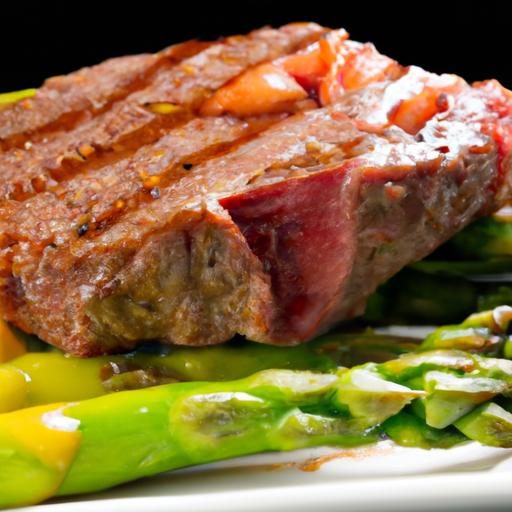


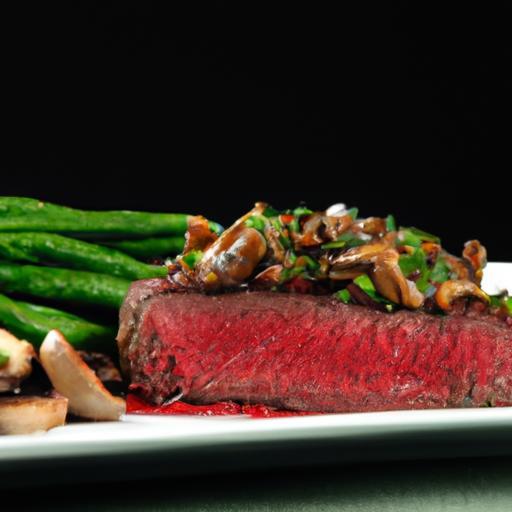
There’s a primal allure to a perfectly cooked steak-the intoxicating sizzle as it meets the hot pan, the rich aroma that teases your senses, and the mouthwatering promise of juicy, tender meat with just the right crust. But behind this culinary spectacle lies a interesting blend of art and science, where technique meets chemistry to transform simple cuts into unforgettable feasts. In “Sizzling Secrets: The Art and Science of Perfect Steak,” we’ll unravel the mysteries of heat, timing, seasoning, and selection, guiding you through every step to master the steak that doesn’t just satisfy hunger, but ignites passion. Whether your a kitchen novice or a seasoned grill master,prepare to dive deep into the sizzling world where flavor is forged,texture is perfected,and steak becomes more than a meal-it becomes an experiance.
Sizzling Secrets start with understanding the essence of steak – the perfect cut, marbling that unlocks soul-satisfying flavor, and a mastered technique for temperature control that promises juicy, tender results every time. Choosing the right steak is an art in itself: each cut tells a story through its texture and fat distribution,shaping the taste that will sing on your palate. Imagine the buttery richness of a perfectly marbled ribeye or the robust, lean character of a sirloin, each one inviting a unique cooking approach that respects its traits.
Prep and Cook Time
- Planning: 10 minutes
- Cooking: 8-12 minutes (depending on thickness and doneness)
- Resting: 5 minutes
- Total: Approximately 25-30 minutes
Yield
Serves 2 hungry steak lovers
Difficulty Level
Medium – Requires attention to temperature and timing but straightforward for confident cooks.
Ingredients
- 2 thick-cut ribeye steaks (1 to 1½ inches thick, about 12 oz each)
- 1 tbsp kosher salt
- 1 tsp freshly ground black pepper
- 2 tbsp high smoke point oil (grapeseed or avocado oil)
- 3 cloves garlic, lightly smashed
- 3 sprigs fresh thyme or rosemary
- 3 tbsp unsalted butter
Instructions
- Bring steaks to room temperature by placing them on the counter for at least 30 minutes before cooking. This ensures even cooking and better caramelization.
- Pat the steaks dry thoroughly with paper towels; surface moisture inhibits a good sear.
- Season generously with kosher salt and freshly ground black pepper on all sides, pressing the seasoning gently into the meat.
- Heat a heavy skillet (preferably cast iron) over medium-high heat until it just begins to smoke. Add the oil and swirl to coat evenly.
- Place steaks into the skillet without crowding; you want a loud sizzle. Sear without moving for about 3-4 minutes to develop a deep, golden crust.
- Flip the steaks and promptly add butter, garlic, and herbs. Tilt the pan slightly and continuously spoon the melted butter over the steaks – called basting – for about another 3-4 minutes. This infuses flavor and encourages even cooking.
- Check doneness with a meat thermometer: 125°F for rare, 135°F for medium-rare, 145°F for medium. Remove steaks a few degrees before your target, as they will continue to cook while resting.
- Transfer steaks to a warm plate and tent loosely with foil. Rest for 5 minutes to allow juices to redistribute, unlocking juicy, tender perfection.
- Slice against the grain and serve immediately, savoring the contrast between the crisp sear and the tender interior.
tips for success
- Choice of cut matters: Ribeye offers generous marbling for buttery flavor; New York strip provides a firmer, beefier bite. Choose according to your flavor cravings.
- Patience pays off: Avoid flipping multiple times – let the crust build undisturbed for that coveted Maillard reaction.
- control heat: Too hot and you’ll risk burning; too cool and the crust won’t develop. Look for a gentle smoke to know your pan’s ready.
- Rest is non-negotiable: Skipping rest results in runaway juices and dryness. Cover loosely, never tightly.
- Make-ahead tips: Season steaks a day ahead and refrigerate uncovered for an even more concentrated crust when cooked.
Serving Suggestions
Plate your steaks alongside simple roasted vegetables or a creamy mashed potato base for contrast in texture.Garnish with fresh herb sprigs and a sprinkle of flaky sea salt. For an elevated touch, drizzle a pan jus made from deglazing the skillet with beef broth (without wine) and simmer until reduced. A vibrant crisp salad or charred asparagus rounds out the plate beautifully.

| Nutrient | Per Serving |
|---|---|
| Calories | 620 kcal |
| Protein | 58 g |
| Carbohydrates | 0 g |
| Fat | 44 g |
Mastering Temperature Control for Juicy Results: Understanding heat Zones
Searing steak is not just about tossing it into a blazing hot pan. Understanding your pan’s heat zones is key. For thicker cuts, start with a high heat sear to lock in flavor, then move the steak to a slightly cooler spot to finish cooking evenly. If using an oven finishing method, preheat it to 375°F and transfer your skillet after searing. This dual approach ensures the interior reaches the perfect temperature while preserving that mouthwatering crust.
For a deeper dive into steak cooking methods and tools, check out our extensive steak cuts guide.
For more expert advice on temperature control techniques, the Serious Eats guide to cooking steak offers invaluable insights and science-backed tips.
Q&A
Q&A: Sizzling Secrets – The Art and Science of Perfect Steak
Q1: What is the single most crucial factor in achieving the perfect steak?
A: Heat control is king. Whether searing in a pan or grilling, the right temperature ensures a beautifully caramelized crust while locking in juicy, tender meat. High heat creates the Maillard reaction-the magical browning process that gives steak its complex, savory flavors.
Q2: how does the choice of cut influence the cooking technique?
A: Different cuts demand different approaches. Tender cuts like ribeye or filet mignon shine with fast, high-heat cooking for a juicy center and crispy exterior.Tougher cuts, such as flank or skirt steak, benefit from marinating and fast searing over intense heat to break down fibers and amplify flavor.
Q3: Why is resting steak after cooking so crucial?
A: Resting lets the meat’s juices redistribute evenly. Cutting into a steak too soon causes precious juices to escape, leaving your bite dry and less flavorful. A brief 5-10 minute rest under foil locks in moisture and ensures every forkful is succulent.
Q4: Can you explain the role of seasoning in steak perfection?
A: Seasoning is your flavor foundation. Coarse salt draws out moisture, then reabsorbs it along with flavors. Freshly cracked black pepper adds a subtle heat, while additional aromatics like garlic or herbs can be introduced during cooking to layer complexity-never overpowering the beef’s natural taste.
Q5: What’s the science behind the Maillard reaction, and why does it matter?
A: The Maillard reaction is a chemical dance between amino acids and sugars triggered by heat above 285°F (140°C). It creates the golden-brown crust that tantalizes your senses with rich, complex aromas and flavors, transforming simple grilled meat into a culinary masterpiece.Q6: how can one tell when a steak is cooked to the desired doneness without cutting into it?
A: The “touch test” is a chef’s secret tool. By comparing the firmness of the steak to various parts of your hand-soft and squishy like your thumb’s base for rare, firmer for medium rare, and even more solid for medium or well done-you can gauge doneness without losing precious juices.
Q7: Is flipping steak multiple times during cooking recommended?
A: Flipping once or twice is ideal. Frequent flipping can prevent the crust from forming properly. Let the steak develop a sear on one side before flipping to ensure that golden-brown exterior that locks in flavor and moisture.
Q8: What role does butter play when finishing a steak?
A: Basting with butter enriches the steak by infusing it with silky, savory notes. As it melts, butter carries aromatics like thyme or garlic, coating the meat with a luscious glaze while adding depth and a touch of indulgence.
Q9: Should steak be cooked straight from the refrigerator?
A: Bringing steak to room temperature before cooking helps it cook evenly. A cold interior can result in overcooked edges while the center remains underdone. About 30 minutes out of the fridge balances temperature for optimal searing and tenderness.
Q10: What cutting technique maximizes steak tenderness and flavor?
A: Always slice against the grain. Cutting perpendicular to the muscle fibers shortens them, making the steak easier to chew and amplifying its tender texture. This simple trick turns even a modest cut into a luxurious experience.
Unlocking the secrets behind steak transforms a simple meal into sizzling artistry. With the perfect blend of heat, seasoning, patience, and technique, each bite becomes a celebration of flavor and science. Happy grilling!
Wrapping Up
As the final sizzle fades and the savory aroma lingers in the air, mastering the art and science of the perfect steak transforms from a simple cooking task into a culinary adventure. With a blend of precision, patience, and passion, each cut tells a story-of marbling, heat, timing, and technique-that culminates in a mouthwatering masterpiece. Whether you’re a seasoned grill master or an eager beginner, embracing these sizzling secrets invites you to savor not just a meal, but a celebration of flavors perfected through science and artistry. So fire up your grill, sharpen your knives, and let every steak you craft be a testament to the delicious harmony of knowledge and skill.