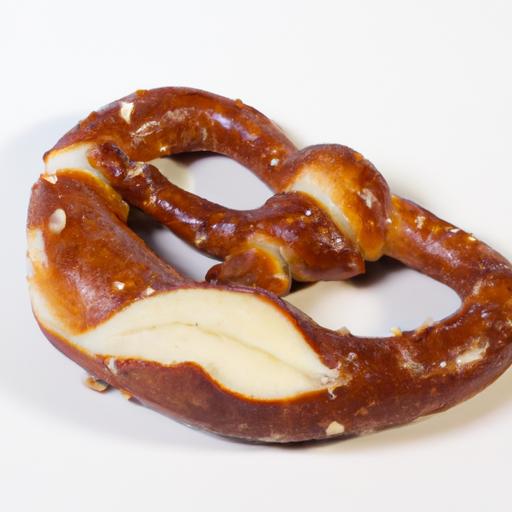

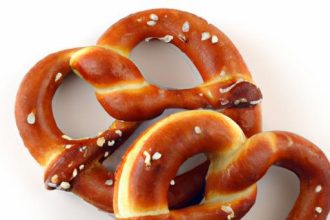
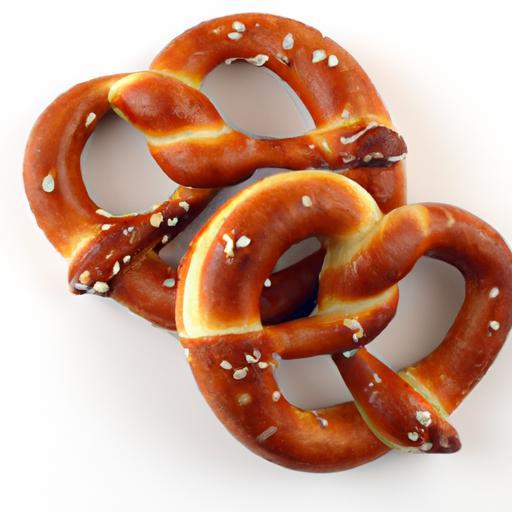
There’s something undeniably enchanting about the humble soft pretzel-a golden, twisted knot that beckons with it’s chewy texture and salty crunch. More then just a snack, the soft pretzel carries a rich tapestry of history woven through centuries and across cultures. From ancient legends of monastery kitchens to bustling street carts in modern cities,these doughy delights tell a story of tradition,craftsmanship,and culinary artistry. In this article, we unravel the fascinating journey of soft pretzels-their origins, their unique twists, and the timeless appeal that keeps us reaching for just one more bite.
Twists and bites: The Art and History of Soft Pretzels
Twists and bites have long defined the charm of soft pretzels-a beloved snack that carries centuries of rich cultural history in every warm, golden fold. Originating from European monastic traditions, these iconic shapes were once crafted as symbols of good luck and celebration. Today,mastering the perfect soft pretzel is an art that blends tradition with technique,inviting you to embrace the joy of homemade baking with chewy,buttery perfection.
Prep and Cook Time
- Planning: 20 minutes
- Rising: 1 hour 15 minutes
- Baking: 12-15 minutes
- Total Time: Approximately 1 hour 50 minutes
Yield
Makes 8 soft pretzels
Difficulty Level
Medium – perfect for bakers pleasant with basic yeast dough and shaping techniques
Ingredients
- 1 ½ cups warm water (110°F/43°C)
- 1 packet (2 ¼ tsp) active dry yeast
- 1 tbsp granulated sugar
- 4 cups all-purpose flour, sifted
- 1 tsp fine sea salt
- 2 tbsp unsalted butter, melted
- 10 cups water (for boiling)
- 2/3 cup baking soda
- Coarse kosher salt for sprinkling
Instructions
- Activate the yeast: In a large bowl, combine warm water, sugar, and yeast. Stir gently and let sit for 5-7 minutes until foamy, signaling active yeast-this is the foundation for a light, airy crumb.
- Make the dough: Add sifted flour and sea salt to the yeast mixture. Use a wooden spoon or stand mixer fitted with a dough hook to blend until the dough forms a shaggy ball.
- Knead to perfection: Transfer the dough onto a lightly floured surface. Knead vigorously for 8-10 minutes until smooth and elastic. Alternatively, knead with a stand mixer on medium speed for 6 minutes.
- First rise: Place the dough in a lightly oiled bowl, cover tightly with plastic wrap or a damp towel, and let it rise in a warm spot for 1 hour or until doubled in size.
- Preheat the oven: Set to 450°F (230°C) and prepare two baking sheets with parchment paper or silicone mats.
- Shape the pretzels: Punch down the risen dough and divide into 8 equal pieces. Roll each piece into a 20-inch rope. Form the classic pretzel twist by making a U-shape, crossing the ends twice, and pressing them onto the base of the U to seal.
- Baking soda bath: In a large pot, bring 10 cups of water and baking soda to a boil. Using a slotted spatula, gently lower each pretzel into the boiling water for 30 seconds-this step creates the iconic chewy crust and golden sheen.
- Prepare for baking: Remove pretzels from the bath and place them on prepared baking sheets.Brush with melted butter for extra richness and sprinkle generously with coarse kosher salt.
- Bake the pretzels: Bake in the preheated oven for 12-15 minutes, or until deep golden brown. Rotate trays halfway through for even browning.
- Cool and serve: Allow pretzels to cool on wire racks for at least 10 minutes before serving to let the texture set. Enjoy warm for true indulgence.
Chef’s Notes & Tips for Success
- Yeast activation: Always ensure your water is neither too hot nor cold to avoid killing the yeast or slowing fermentation.
- Shaping tips: Don’t rush the twist; a neat, tight pretzel shape improves both appearance and texture.
- Baking soda substitute: If unavailable, use food-grade lye with caution or an extra pinch of baking soda, though it won’t replicate the crust quite as authentically.
- Make-ahead: Prepare dough the night before, refrigerate overnight after the first rise, then shape and bake next day for convenience and enhanced flavor.
- Customizing flavors: Try sprinkling sesame seeds, poppy seeds, or a touch of everything bagel seasoning rather of kosher salt for creative twists.
Serving Suggestions: Elevate Every Bite
Pair your soft pretzels with a smooth honey mustard dipping sauce,creamy beer cheese spread (non-alcoholic versions available online here), or tangy whole grain mustard.For a savory touch, serve alongside steamed bratwurst, roasted veggies, or a fresh garden salad. A light brush of garlic herb butter before baking transforms pretzels into irresistibly aromatic treats perfect for sharing.

| Nutrient | Per Pretzel (approx.) |
|---|---|
| Calories | 210 |
| protein | 6g |
| Carbohydrates | 42g |
| Fat | 3g |
Discover more about classic snack recipes in our Classic Baking Favorites post for further inspiration.
Q&A
Q&A: Twists and Bites – The Art and History of Soft pretzels
Q1: Where did the soft pretzel originate, and why is its shape so distinctive?
A1: The soft pretzel’s origins trace back to early medieval Europe, most notably around the 7th century. Monks are often credited with creating this twisted treat, fashioning dough into a distinctive knot meant to resemble arms crossed in prayer. This symbolic shape not only gave the pretzel a unique identity but also made it easy to recognize and share as a special food during religious ceremonies and Lent.
Q2: What makes a soft pretzel different from a hard pretzel?
A2: The magic lies in the baking technique and moisture content. Soft pretzels are boiled briefly in a baking soda or lye solution before baking, which creates a chewy interior and that signature deep brown crust with a slight tang. Hard pretzels, by contrast, are baked longer to remove almost all moisture, resulting in a crispy, crunchy texture. the soft pretzel is all about that tender bite meeting a satisfyingly chewy crust.
Q3: how has the pretzel evolved over time in terms of preparation and consumption?
A3: Initially tied to religious symbolism, the pretzel evolved into a popular snack across Europe, especially in Germany, where it became a staple of biergartens and street vendors alike. As immigrants brought pretzels to America in the 18th and 19th centuries, the treat grew into a street food icon, adapting to regional tastes. Today, pretzels come in numerous varieties – from jumbo, stuffed delights to simple handheld snacks, reflecting cultural creativity while honoring tradition.
Q4: What role does the science of dough and baking play in crafting the perfect soft pretzel?
A4: Precision is key. The dough must have the right balance of flour, water, yeast, and salt to develop gluten, which lends elasticity and chewiness.The brief alkaline bath before baking sets the crust’s texture and induces that characteristic Maillard reaction – a chemical browning that creates flavor and the deep golden color. Achieving the ideal twist, thickness, and oven temperature ensures the perfect harmony of crust and crumb.
Q5: Are there any interesting cultural traditions linked to soft pretzels?
A5: Absolutely! In many parts of Germany, pretzels are not just snacks but symbols of good luck. It’s customary to gift freshly baked pretzels during celebrations such as weddings or births. Moreover, pretzel-eating contests and festivals celebrate the pastry’s enduring popularity. In the U.S.,especially in cities like Philadelphia and Milwaukee,pretzels have become synonymous with local identity and communal pride.
Q6: Besides the classic salt topping, how can soft pretzels be creatively flavored?
A6: Creativity abounds beyond the customary coarse salt! Herbs like rosemary or garlic can infuse herbal notes; cheeses baked into or sprinkled atop pretzels add savory depth; sweet versions with cinnamon sugar or chocolate dips cater to dessert lovers. Even spice blends like smoked paprika or chili powder offer a modern twist, turning the humble pretzel into a playground for culinary creativity.
Q7: How can someone at home recreate an authentic soft pretzel experience?
A7: Start with a simple, well-tested dough recipe and give yourself time for proper rising. Don’t skip the alkaline bath - baking soda works well and is kitchen-friendly; it transforms the crust.Practice the iconic twist; it’s easier with a little flour on your hands and some patience. Bake until beautifully golden and finish with coarse salt or any preferred topping. serve warm, and savor the joy of homemade tradition!
Key Takeaways
From their humble origins as simple symbols of luck and faith to their beloved status as a snack that bridges cultures and continents, soft pretzels carry a rich tapestry of history folded into every twist and bite. Whether enjoyed fresh from a bustling street vendor or baked lovingly at home,these golden,doughy delights remind us that food is more than sustenance-it’s storytelling,tradition,and a shared experience passed down through generations. So next time you savor that warm, salty pretzel, remember: you’re not just tasting a treat; you’re tasting centuries of craft, culture, and a little bit of magic woven into every knot.