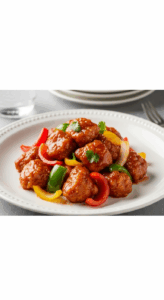


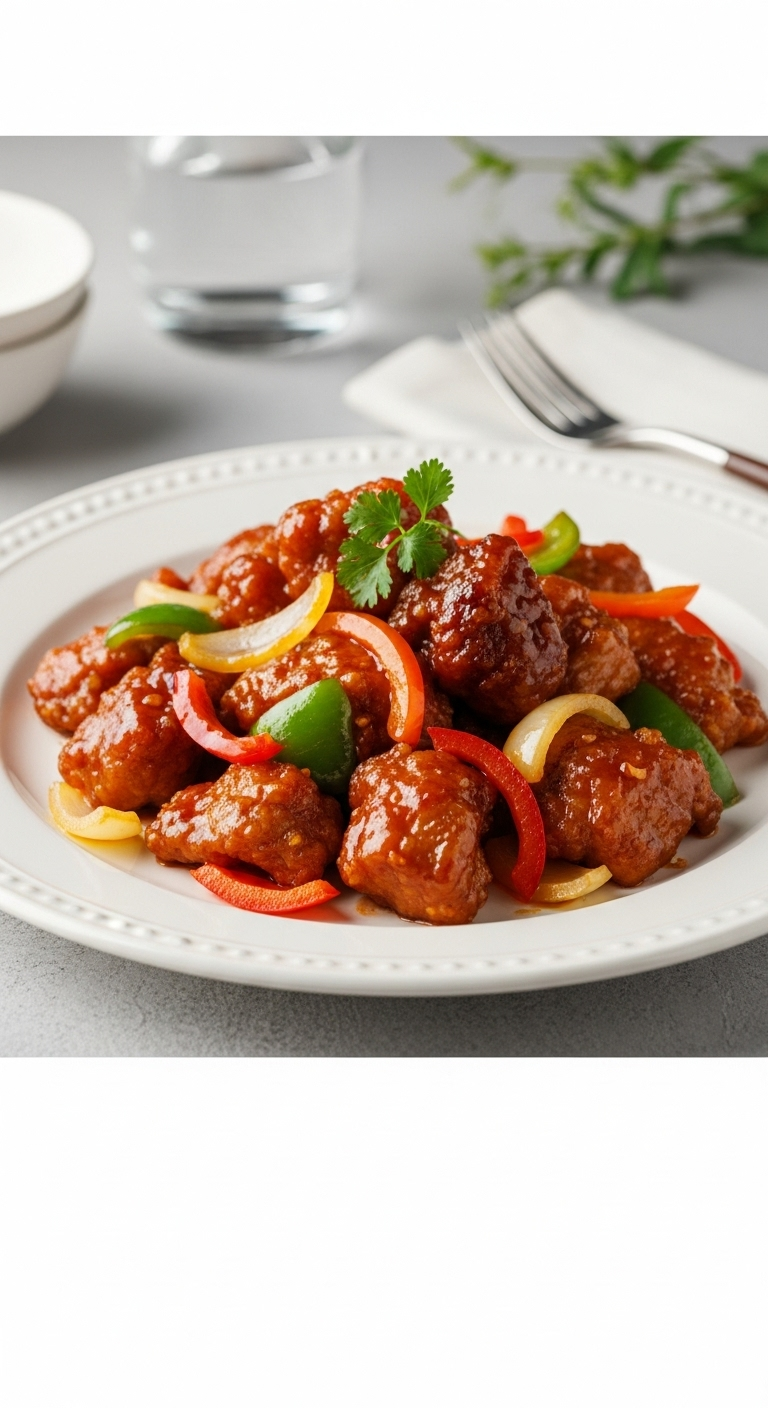
Sweet and Sour Chicken has long held a cherished place at the heart of Chinese-American cuisine, captivating taste buds with its lively contrast of flavors.This beloved dish masterfully balances the crispiness of golden-fried chicken with a vibrant, tangy sauce that dances between sweet and sour notes, creating a culinary harmony that’s both comforting and exciting. In this article, we’ll dive into the origins of this classic favorite, explore the art of achieving that perfect glaze, and share tips to bring a zesty new twist to your homemade Sweet and Sour Chicken. Prepare to embark on a flavorful journey that transforms familiar ingredients into a tantalizing party of taste.
Sweet and Sour Chicken: A Tangy Twist on a Classic Dish
Sweet and Sour Chicken has journeyed across continents and centuries, evolving from humble origins in Southern China to become a beloved staple in global kitchens. This dish masterfully balances tangy and sweet flavors,creating an unforgettable experience where every bite bursts with vibrant zest and crispy texture. Growing up, my family’s weekend dinners wouldn’t be complete without this iconic dish, a perfect harmony of crunchy chicken pieces enveloped in a luscious, glossy sauce that narrates tales of cultural blending and culinary creativity.
Prep and Cook Time
- Preparation Time: 20 minutes
- Cooking Time: 25 minutes
- Total Time: 45 minutes
Yield
Serves 4 generously, ideal for family dinners or entertaining guests.
Difficulty Level
Medium – perfect for home cooks ready to elevate their skills while still approachable for adventurous beginners.
Ingredients
- For the Chicken:
- 1 lb boneless, skinless chicken breasts, cut into bite-sized cubes
- 1 cup all-purpose flour, sifted
- 1/2 cup cornstarch
- 1 tsp baking powder
- 1 large egg
- 3/4 cup cold water
- Salt and freshly ground black pepper, to taste
- Vegetable oil, for frying
- For the Sweet and Sour Sauce:
- 1/2 cup rice vinegar
- 1/3 cup granulated sugar
- 1/4 cup ketchup
- 2 tbsp soy sauce (use gluten-free if desired)
- 1 tbsp cornstarch mixed with 3 tbsp water (slurry)
- 1/2 cup pineapple chunks, drained
- 1 small red bell pepper, diced
- 1 small green bell pepper, diced
- 1 small onion, chopped into chunks
Instructions
- Prepare the batter: In a medium bowl, whisk together all-purpose flour, cornstarch, baking powder, salt, and pepper. Beat the egg with cold water, then gradually stir it into the dry ingredients until smooth but thick enough to coat the chicken evenly.
- Coat and fry the chicken: Heat vegetable oil in a deep skillet or wok to 350°F (175°C). dip each chicken cube into the batter, ensuring a thick coating. Fry in batches, avoiding overcrowding, for about 4-5 minutes or until golden and crispy. Remove and drain on a wire rack or paper towels to keep crispiness intact.
- Make the sauce: In a saucepan over medium heat, combine rice vinegar, sugar, ketchup, and soy sauce. Stir continuously until the sugar dissolves and the mixture starts to bubble gently. Add the cornstarch slurry slowly, stirring until the sauce thickens to a glossy sheen.
- Sauté vegetables: Quickly stir-fry bell peppers and onion in a splash of oil just until they are tender-crisp to preserve their vibrant colors and crunch.
- Combine and coat: Reduce heat to low. Add pineapple chunks and sautéed vegetables to the sauce, then toss in the crispy chicken pieces.Gently stir to coat every morsel with the luscious sweet and sour glaze without breaking the crust.
- serve immediately: For the best texture and tangy bite, plate the chicken over steamed jasmine rice or crunchy fried rice and garnish with freshly chopped scallions or toasted sesame seeds.
Tips for Success
- Ingredient quality matters: Use fresh,ripe pineapples and crisp bell peppers to enhance both flavor and visual appeal.
- Cold batter: Keep your batter cold by adding ice cubes to the water before mixing. This helps produce a crisper coating during frying.
- Oil temperature: Maintain steady oil heat using a thermometer. Too hot will burn the batter; too cool will make the chicken greasy and soggy.
- Sauce consistency: The sauce should be thick but pourable. Add slurry gradually and stir to avoid clumps and over-thickening.
- Make-ahead tips: You can prepare the sauce and vegetables ahead of time.Fry the chicken fresh just before serving to keep the crisp texture.
- Substitutions: For gluten-free, swap regular flour with rice flour and ensure your soy sauce is gluten-free.
Serving Suggestions
Serve your Sweet and Sour Chicken glamorously plated on a bed of fluffy steamed jasmine rice or alongside vibrant vegetable fried rice. fresh garnishes like finely sliced scallions, toasted sesame seeds, or even a sprinkle of crushed chili flakes add a complex pop of color and flavor contrast. A side of steamed broccoli or snap peas can lend a refreshing,crunchy balance to the richness of the dish.

Nutritional Information (per serving)
| Calories | Protein | Carbohydrates | Fat |
|---|---|---|---|
| 430 kcal | 35 g | 50 g | 10 g |
For more appetizing Asian-inspired chicken recipes, check our Crispy Lemon Chicken guide. To deepen your understanding of traditional Chinese culinary techniques, explore insights from Serious Eats’ article on Chinese food history.
Q&A
Q&A: Sweet and Sour Chicken – A Tangy Twist on a Classic Dish
Q1: What makes sweet and sour chicken such a beloved dish around the world?
A1: Sweet and sour chicken captures the perfect balance of flavors that excite the palate-crispy, tender chicken bites enveloped in a vibrant sauce that marries sweetness and tanginess. This harmonious blend delivers a playful dance of tastes and textures, making it a universally adored comfort food that appeals across cultures.
Q2: How did sweet and sour chicken originate, and how has it evolved?
A2: While the concept of pairing sweet and sour flavors stretches back centuries in Chinese cuisine, the popular sweet and sour chicken dish as known today frequently enough reflects a Westernized adaptation.Over time, chefs across the globe have added their own twists-incorporating local fruits, spices, and cooking methods-transforming it from a simple stir-fry into a creative canvas for flavor innovation.
Q3: What ingredients are essential in creating the classic sweet and sour chicken sauce?
A3: the magic of the sauce lies in a delicate trio: tangy vinegar, sweet sugar or pineapple juice, and savory soy sauce. Thes ingredients combine with a hint of ketchup or tomato paste for depth, and sometimes garlic or ginger for warmth. The result is a glossy, luscious coating that clings beautifully to the chicken.
Q4: How can home cooks achieve that perfect crispy chicken texture?
A4: Achieving the ideal crispiness is all about technique. Using bite-sized chicken pieces, coating them lightly in a mixture of cornstarch and flour, then frying them in hot oil ensures a golden crust.For a lighter choice, oven-baking or air frying while maintaining the coating can also produce satisfyingly crunchy results.
Q5: Are there creative ways to serve sweet and sour chicken beyond the classic rice bowl?
A5: Absolutely! Sweet and sour chicken lends itself wonderfully to playful presentations. Try tossing it with spiralized vegetables for a crunchy noodle dish, stuffing it into lettuce wraps for a fresh, handheld delight, or even using it as a flavorful filling for savory crepes or tacos. The bright sauce pairs well with a variety of bases, inviting endless experimentation.
Q6: Can sweet and sour chicken be adapted for special diets or preferences?
A6: Certainly! For gluten-free options, substitute traditional flour with rice flour or a certified gluten-free blend for the coating.To reduce oil content, baking or air frying works beautifully. Additionally, those preferring a less sweet experience can adjust the sugar amount or substitute with natural sweeteners like honey or maple syrup, tailoring the tanginess perfectly.
Q7: What side dishes complement sweet and sour chicken best?
A7: Vibrant sides add dimension to the meal. Classic steamed jasmine rice or fried rice provides a neutral canvas for the sauce’s bold flavors. Stir-fried vegetables like bell peppers,snap peas,and broccoli echo the dish’s freshness,while a crisp cucumber salad or pickled slaw can offer a refreshing contrast.
Q8: How does sweet and sour chicken capture the spirit of fusion cuisine?
A8: Sweet and sour chicken is a brilliant example of culinary fusion, blending traditional Asian flavor principles with western tastes and presentation styles.This synergy showcases how recipes evolve as they travel, reflecting history, culture, and innovation on your plate-a delicious testament to the art of flavor blending.
Q9: What tips can elevate the flavor profile of homemade sweet and sour chicken?
A9: Small touches can make a big difference. Toasting the cornstarch before mixing it into the batter adds a subtle nutty note. Freshly squeezing pineapple juice instead of canned enhances brightness. Incorporating minced fresh ginger or a pinch of chili flakes can add a lively kick, balancing the sweetness with hints of warmth and heat.
Q10: Why is sweet and sour chicken considered a comfort food for so manny?
A10: Its comforting appeal lies in its familiarity and balance-the crispy chicken evokes satisfaction, while the sweet and tangy sauce surprises the senses just enough to keep each bite exciting. It’s a dish that nurtures and delights together, making it a go-to meal for both cozy nights and festive gatherings.
Concluding Remarks
Whether you’re a longtime fan of this beloved dish or a culinary adventurer eager to try something new, sweet and sour chicken offers a perfect harmony of flavors that dances on the palate. Its tangy twist breathes fresh life into a classic, proving that sometimes, the most satisfying meals come from the bold interplay of sweet and savory.So next time you crave comfort with a zing,remember that this timeless recipe is just a stir-fry away from turning your dinner into a delightful celebration of taste.