
There’s a certain alchemy in the kitchen when sugar and egg whites unite under gentle heat, transforming into a glossy, cloud-like marvel known as Swiss meringue. Celebrated by pastry chefs and home bakers alike, this silky, stiff pinnacle of whipped perfection holds the secret to everything from elegant buttercream frostings to delicate pavlovas. But what exactly makes Swiss meringue so irresistibly smooth and stable? In this article,we’ll unravel the science and artistry behind its magic,offering expert tips and techniques to help you master the shimmering peaks and velvety texture that define Swiss meringue’s timeless appeal. Prepare to elevate your baking game with secrets that turn simple ingredients into edible silk.
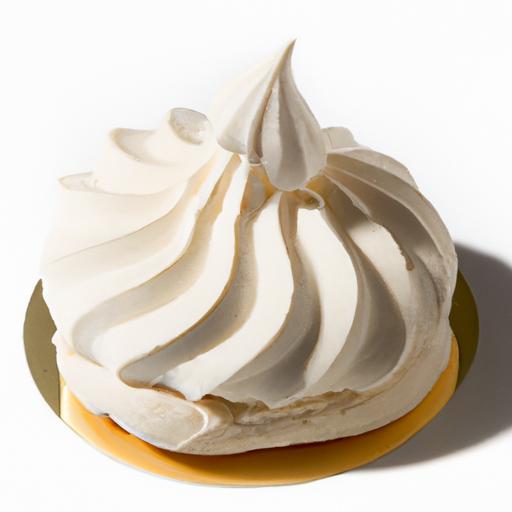
Swiss meringue Magic starts with an elegant dance of heat and whisking that transforms simple egg whites and sugar into a glossy cloud of silky, stiff perfection. Capturing the essence of this technique is both an art and a science-one that elevates your desserts to breathtaking heights,from ethereal buttercreams to delicate pavlovas.
Prep and Cook Time
- Preparation: 10 minutes
- Cooking (heated whisking): 5 minutes
- Whisking to stiff peaks: 5-8 minutes
- Total Time: Approximately 20 minutes
Yield
- Makes about 1 1/2 cups of Swiss meringue (enough to frost a 6-inch cake or top 4 individual desserts)
Difficulty Level
- intermediate: Requires attention to temperature and whisking technique
Ingredients
- 4 large egg whites, at room temperature
- 3/4 cup granulated sugar
- 1/4 teaspoon cream of tartar (optional, stabilizes meringue)
- 1 teaspoon vanilla extract (or your preferred flavoring)
Instructions
- Set up a double boiler: Fill a medium saucepan with about 1-2 inches of water and bring to a gentle simmer over medium-low heat.
- Combine egg whites, sugar, and cream of tartar: In a clean heatproof bowl (preferably stainless steel or glass), whisk together the egg whites and sugar until combined.
- Heat the mixture: place the bowl over the simmering water, ensuring the bottom doesn’t touch the water. Stir gently and constantly with a whisk until the sugar fully dissolves and the mixture reaches 160°F (71°C) on a candy thermometer – this takes around 3-5 minutes. To test without a thermometer, rub a small amount between your fingers; it should feel fully smooth, without any graininess.
- Remove from heat and whip: Transfer the bowl to your stand mixer fitted with the whisk attachment or use a hand mixer. Beat the mixture on medium-high speed.
- Whisk to glossy stiff peaks: Continue whipping for 5-8 minutes until the meringue turns thick, glossy, and holds stiff peaks that stand tall without drooping.
- Add flavor: Beat in the vanilla extract until just incorporated, ensuring intense aromatic notes without deflating the structure.
- Use immediately or store: Swiss meringue is best used freshly whipped. For later use, cover and refrigerate, then briefly whisk again before piping or spreading to revive its texture.
Chef’s Notes: Tips for Success
- Ensure your tools are clean: Any trace of grease or yolk can prevent egg whites from whipping properly. For best results, wipe the bowl and whisk with lemon juice or vinegar before starting.
- Temperature is key: Heating egg whites to the right point not only dissolves sugar but stabilizes proteins for the signature silky texture of Swiss meringue magic.
- Room temperature egg whites whip better: Allow eggs to come to room temperature for easier volume build-up.
- Substitutions: Use superfine sugar for faster dissolution if available.Cream of tartar is optional but recommended for added stability, especially in humid climates.
- troubleshooting: If your meringue appears grainy or doesn’t hold peaks, quickly place the bowl back over warm water and whisk briefly to re-dissolve the sugar.
- Make-ahead tip: You can make Swiss meringue a day ahead; cover tightly with plastic wrap and re-whip slightly before use to restore volume.
Serving Suggestions
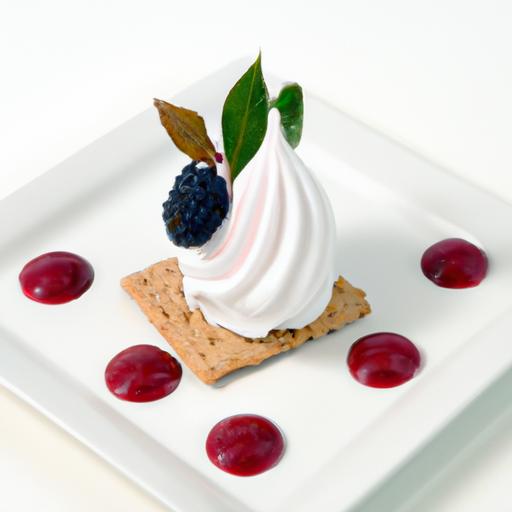
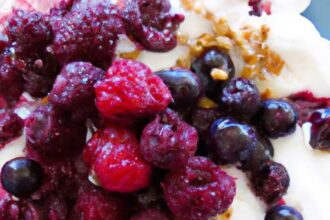
Swiss meringue magic shines as a luxurious frosting on cakes and cupcakes, lending a smooth, glossy finish that holds beautifully. Pipe soft peaks atop lemon tarts,fresh berry pavlovas,or use as a light,airy layer in layered desserts. A delicate dusting of edible flowers, finely chopped pistachios, or a drizzle of fruit coulis perfectly complements its subtle sweetness and supple texture.
| Nutrient | Per 1/4 cup serving |
|---|---|
| Calories | 110 kcal |
| Protein | 3 g |
| Carbohydrates | 26 g |
| Fat | 0 g |

For more on working with egg whites and elevating your meringue skills, check out our expert guide. To deepen your understanding of the science behind meringue stability, the Serious Eats overview offers excellent insights.
Q&A
Q&A: Swiss Meringue Magic: Secrets to Silky, Stiff Perfection
Q: What exactly is Swiss meringue, and how does it differ from other types of meringue?
A: Swiss meringue is a luscious, glossy mixture created by gently heating egg whites and sugar over a warm water bath until the sugar dissolves, then whipping the mixture into stiff, silky peaks. Unlike French meringue, where sugar is added directly to raw egg whites, or Italian meringue, where hot sugar syrup is poured into whipped egg whites, Swiss meringue’s gentle warming creates a smooth, stable texture that’s perfect for frostings and delicate desserts.Q: Why is heating the egg whites and sugar important in Swiss meringue?
A: Heating the mixture serves two critical roles: it dissolves the sugar completely for a smoother texture and gently pasteurizes the egg whites, making the meringue safer to eat. This warming process also helps achieve that signature velvety sheen and lends stability, so your meringue holds beautifully when piped or folded into other recipes.
Q: How can I tell when the sugar is fully dissolved during the warming process?
A: A simple and reliable test is to rub a bit of the warm mixture between your fingers-if it feels gritty, the sugar still needs more time to melt. When the mixture feels completely smooth, it’s ready to be whipped. This step is crucial to avoid a grainy texture in your final meringue.
Q: What are some tips for achieving perfectly stiff and glossy swiss meringue peaks?
A: First, ensure your mixing bowl and whisk are impeccably clean and dry-any grease or residue can prevent proper aeration. Use fresh, room-temperature egg whites for maximum volume. Whip on medium-high speed after heating and keep going until the meringue is thick, shiny, and forms stiff peaks that hold thier shape without drooping. Patience is key-don’t rush the whipping!
Q: Can I flavor Swiss meringue, and if so, when should I add flavorings?
A: Absolutely! Once your meringue reaches stiff peaks, you can gently fold in extracts, citrus zest, or any flavorings you desire. Because the meringue is so voluminous and delicate, fold carefully to preserve the airy texture. For stable buttercreams, flavorings often get mixed in with the butter added after the meringue is whipped.Q: Why does Swiss meringue sometimes weep or weep after sitting? How can I prevent this?
A: Weeping, or the release of liquid, can happen if the sugar isn’t fully dissolved or if there’s too much moisture in the environment. It can also result from under-whipping or over-beating. To prevent it, always dissolve sugar completely during warming, whip thoroughly to stiff peaks, and store meringue-covered desserts in a cool, dry place. Avoid refrigerating meringue-heavy treats directly, as humidity can encourage moisture separation.
Q: How can I store Swiss meringue or desserts made with it?
A: Swiss meringue frosting keeps well at room temperature, tightly covered for a day or two. For longer storage, refrigeration is best, but bring back to room temperature and gently re-whip before serving if it has softened. Meringue shells made from Swiss meringue should be stored in an airtight container away from moisture to maintain their crispness.
Q: What are some creative uses for Swiss meringue beyond frosting?
A: The silky, stable texture of swiss meringue makes it a dream for delicate pavlovas, light mousses, soft cookies, and even soufflés. You can fold it into chocolate or fruit purees to create airy desserts or pipe elegant shapes for decoration. Its versatility extends to stabilizing whipped creams and adding shine and body to frozen treats.
Q: Any common pitfalls for beginners attempting Swiss meringue to avoid?
A: Yes! avoid skipping the sugar dissolution step-undissolved sugar leads to gritty meringue. Don’t rush whipping; under-whipped meringue won’t hold its shape, while over-whipping can cause it to break down. Lastly, avoid any contact with fats; even a trace of oil in your bowl or on your whisk can prevent proper foaming. Clean equipment and fresh egg whites are your best allies.
Q: Can I make Swiss meringue with option sweeteners or substitutes?
A: Traditional Swiss meringue relies on granulated sugar to achieve its structure and shine.Some bakers experiment with superfine sugar for smoother integration. Other sweeteners often lack the crystalline properties needed to stabilize the foam as effectively. if you wish to experiment, proceed with caution, as texture and stability may vary substantially.
Q: What makes Swiss meringue frosting so popular among professional bakers?
A: Swiss meringue frosting balances sweetness with a light, airy texture that isn’t overly sugary or heavy like some buttercreams. Its satin-smooth finish pipes beautifully, holds up well under warm conditions, and acts as a superb canvas for flavorings and colors. Its elegant mouthfeel and stable structure make it a favorite for sophisticated cakes, cupcakes, and intricate dessert designs.
To Wrap It Up
As you embark on your own Swiss meringue journey,remember that this delicate dance of sugar and egg whites rewards patience and precision with a cloud-like texture that’s as versatile as it is dazzling. From frosting majestic cakes to folding into light mousses, mastering the art of silky, stiff Swiss meringue opens doors to a world where science meets sweetness in perfect harmony. So whisk away with confidence, and let the magic of Swiss meringue transform your desserts from ordinary to unusual-one glossy peak at a time.