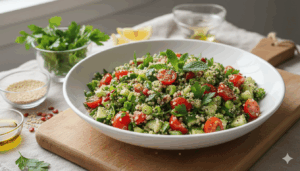


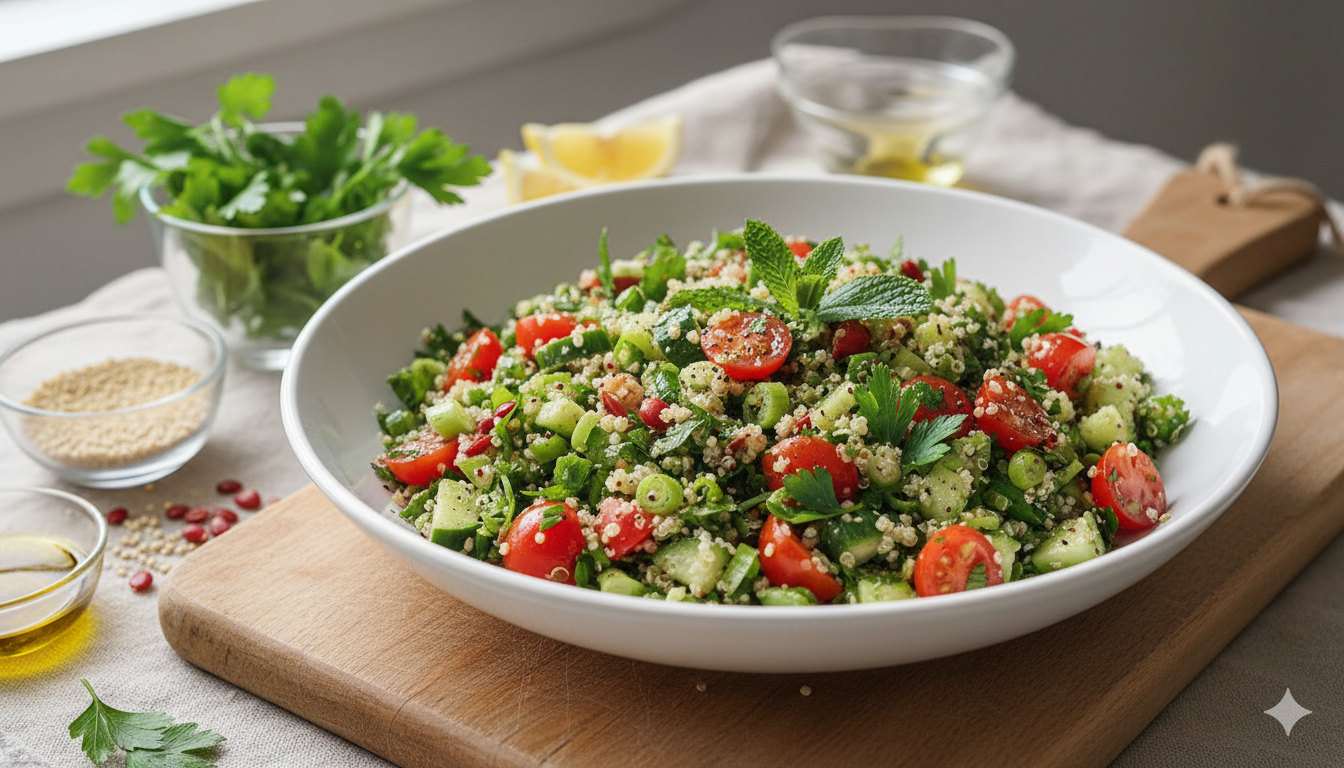
Bursting with vibrant colors and zesty aromas, tabbouleh has long been a beloved staple of Middle Eastern cuisine. but what if you could enjoy this refreshing, herb-packed salad without gluten or any animal products? Enter our Fresh & Flavorful Gluten-Free Vegan tabbouleh-a revitalized take on the classic dish that honors tradition while embracing modern dietary needs. This recipe combines the shining notes of fresh parsley, mint, and lemon with wholesome, gluten-free ingredients to create a nourishing bowl that’s as delicious as it is indeed inclusive. Whether you’re gluten-sensitive, vegan, or simply seeking a lighter, garden-fresh option, this tabbouleh promises to delight yoru palate and elevate your meals with ease and elegance.
Gluten-free vegan tabbouleh is a vibrant celebration of fresh herbs,zesty citrus,and wholesome textures,transforming a traditional Levantine classic into a nourishing,allergy-kind delight. This recipe blends the bright crunch of finely chopped parsley and mint with the satisfying chew of gluten-free grains,delivering a salad that bursts with flavor and vitality in every bite.
Prep and Cook Time
- Readiness: 20 minutes
- Cooking: 12 minutes (grain soaking/steaming)
- Total Time: 32 minutes
Yield
- Serves 4-6 as a refreshing side or light main course
Difficulty level
- Easy – perfect for both beginner and seasoned cooks
Ingredients that Elevate Texture and Taste in Gluten-Free Vegan Tabbouleh
- 3/4 cup quinoa, rinsed thoroughly - a gluten-free grain that adds a delightful nuttiness and chewy texture
- 1 1/2 cups boiling water - to gently cook the quinoa for perfect fluffiness
- 1 large bunch fresh flat-leaf parsley, finely chopped – the herbaceous heart of any tabbouleh
- 1/2 cup fresh mint leaves, finely chopped – adds cooling freshness and complexity
- 2 medium ripe tomatoes, finely diced - for juicy bursts of sweetness and acidity
- 1 small cucumber, peeled and diced – brings crispness and moisture
- 3 medium green onions (scallions), thinly sliced - subtle sharpness to balance the salad
- Juice of 2 large lemons - the zesty lifeline that brightens all ingredients
- 1/4 cup extra-virgin olive oil – silky richness to meld flavors beautifully
- 1/2 tsp sea salt, or to taste - essential for harmony
- Freshly ground black pepper, to taste – adds gentle warmth
- Optional: 1/4 tsp ground cumin – an aromatic whisper of earthiness for subtle depth
Step-by-Step Guide to Crafting the Perfect Herb-infused Salad
- Prepare the quinoa: place the rinsed quinoa in a heatproof bowl. Pour boiling water over it, cover tightly with a lid or plate, and let it soak for about 15 minutes until tender and translucent. Drain any excess liquid and fluff with a fork.
- Chop the herbs and vegetables: Use a sharp knife to finely chop parsley and mint to release their fragrant oils. dice tomatoes and cucumber into uniform small pieces, ensuring even texture.
- Combine the base: In a large mixing bowl, combine the drained quinoa, chopped parsley, mint, tomatoes, cucumber, and green onions.
- Whisk the dressing: In a small bowl, whisk together freshly squeezed lemon juice, extra-virgin olive oil, sea salt, black pepper, and cumin (if using). The acid and oil balance enrich the vibrant ingredients perfectly.
- Dress and toss: Pour the dressing over the salad mixture and toss gently but thoroughly to ensure every bite bursts with zesty freshness and layers of flavor.
- Chill and marinate: let the salad rest in the refrigerator for at least 30 minutes before serving. This step allows the herbs and lemon juice to meld, deepening the flavor.
Tips for balancing Zesty Flavors and Freshness in Every Bite
Achieving the distinctive lively taste of gluten-free vegan tabbouleh lies in harmony.When chopping herbs, aim for a fine, consistent texture without pulverizing them – this releases flavors without bitterness. Freshly squeezed lemon juice should be bright but balanced, so taste as you go, adding more gradually. Using high-quality olive oil will subtly enhance the natural sweetness of the vegetables. Always season thoughtfully; salt awakens the flavors but too much can mask the salad’s signature lightness. Resting the salad before serving allows grains to absorb lemony goodness while herbs soften slightly, creating layers of pleasurable textures and aromas.
Creative Variations to Customize Your Tabbouleh Experience
- Swap quinoa for millet or buckwheat groats for distinct textures and flavors while keeping the gluten-free promise.
- Add pomegranate seeds for unexpected jewel-like bursts of tangy sweetness and visual pop.
- Incorporate toasted pine nuts or chopped walnuts to introduce satisfying crunch and a toasty nuttiness.
- Include finely diced red bell pepper or radishes for added color and a crisp bite.
- Boost the zest with a pinch of sumac for a tangy,citrusy nuance traditional to Levantine salads.
Chef’s Notes
- Pre-soaking the quinoa instead of boiling retains more delicate flavor and texture.
- to keep herbs fresher for longer, store them wrapped loosely in a damp paper towel inside the fridge before chopping.
- This salad keeps well for 2 days refrigerated but is best consumed fresh to enjoy peak herbaceous vibrancy.
- Add avocado cubes just before serving for creaminess.
- For a heartier meal, serve your tabbouleh atop a bed of mixed greens or alongside grilled vegetables.
Serving Suggestions
Plate the tabbouleh in a shallow bowl or a rustic wooden dish,garnished with a sprig of fresh mint and a lemon wedge on the side for added brightness. Drizzle a little extra olive oil on top and sprinkle with toasted pine nuts to enhance both appearance and texture. This salad pairs beautifully with warm pita bread, falafel, or as a vibrant side to grilled vegetables or tofu dishes. For an inviting luncheon, serve tabbouleh alongside a chilled glass of mint-infused cucumber water or sparkling lemonade.

nutritional Information (per serving)
| Calories | protein (g) | Carbohydrates (g) | Fat (g) |
|---|---|---|---|
| 180 | 6 | 25 | 7 |
For more wholesome bowls and allergy-friendly recipes, check out our Vegan Superfood Bowls Collection. Discover the history behind traditional tabbouleh here.
Q&A
Q&A: Fresh & Flavorful: Gluten-Free Vegan tabbouleh Recipe
Q1: What makes this tabbouleh recipe both gluten-free and vegan?
A1: This tabbouleh swaps traditional bulgur wheat for nutrient-packed quinoa, making it naturally gluten-free while maintaining that refreshing texture. Plus, it’s entirely plant-based, with fresh herbs, veggies, and a zesty lemon dressing-no animal products involved!
Q2: Can I use any grain other than quinoa for this gluten-free tabbouleh?
A2: Absolutely! Millet, buckwheat, or even cauliflower rice can be creative swaps. Each brings its own bite and nutrition,so feel free to experiment while keeping the recipe gluten-free and vibrant.
Q3: How do I keep my tabbouleh bright and fresh without wilted herbs?
A3: The secret is in how you prep and store. Chop the parsley and mint finely but just before serving to retain their crunch and aroma. Toss the herbs with lemon juice and olive oil right before plating to keep those flavors popping!
Q4: What is the role of lemon juice and olive oil in this recipe?
A4: Lemon juice adds a zesty brightness that balances the earthiness of quinoa and the bite of fresh herbs, while quality olive oil brings a silky richness. Together, they tie each ingredient into one harmonious, refreshing dish.
Q5: Can I prepare this tabbouleh ahead of time for meal prep or gatherings?
A5: Yes! Because quinoa holds up well, you can make it a day in advance.Just keep the lemon juice and olive oil separate or add them right before serving to preserve that fresh, vibrant flavor and crisp texture.
Q6: What herbs are essential in a classic tabbouleh, and are there vegan-friendly twists I can try?
A6: Parsley and mint are the stars-they create the signature fresh, herbaceous profile.For a twist, try adding some chopped cilantro or basil for an intriguing herbal note that complements the vegan vibe beautifully.Q7: Is tabbouleh a good source of protein in this vegan version?
A7: Thanks to quinoa’s complete protein profile, yes! This gluten-free, plant-based tabbouleh delivers not only refreshing flavors but also a satisfying protein boost, making it a wholesome addition to any meal.
Q8: How spicy can I make this tabbouleh?
A8: While traditional tabbouleh is mild and refreshing, you can easily add a kick by sprinkling in some finely chopped fresh chili, a dash of cayenne, or a pinch of black pepper-always adjusting to your taste buds.
Q9: What are some creative ways to enjoy this tabbouleh?
A9: Eat it as a vibrant side salad, stuff it inside warm gluten-free pita pockets, use it as a topping for roasted veggies, or serve it alongside grilled tofu or chickpea patties for a complete vegan feast.
Q10: Any tips for choosing the best quinoa for this recipe?
A10: Opt for organic quinoa if possible, rinse it thoroughly before cooking to remove the natural saponin bitterness, and cook it until just tender to achieve that perfect fluffy texture that shines in this tabbouleh.
Wrapping Up
Embracing the vibrant flavors of this gluten-free vegan tabbouleh not only delights your palate but also celebrates the richness of wholesome, plant-based ingredients. Whether you’re a seasoned vegan, gluten-sensitive, or simply curious about fresh, nourishing dishes, this recipe invites you to savor a timeless Mediterranean classic with a modern twist. So next time you crave something light, zesty, and packed with nutrients, remember that a bowl of this fresh and flavorful tabbouleh is just a few simple steps away-ready to brighten your table and nourish your body.