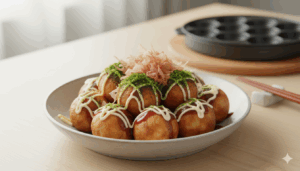




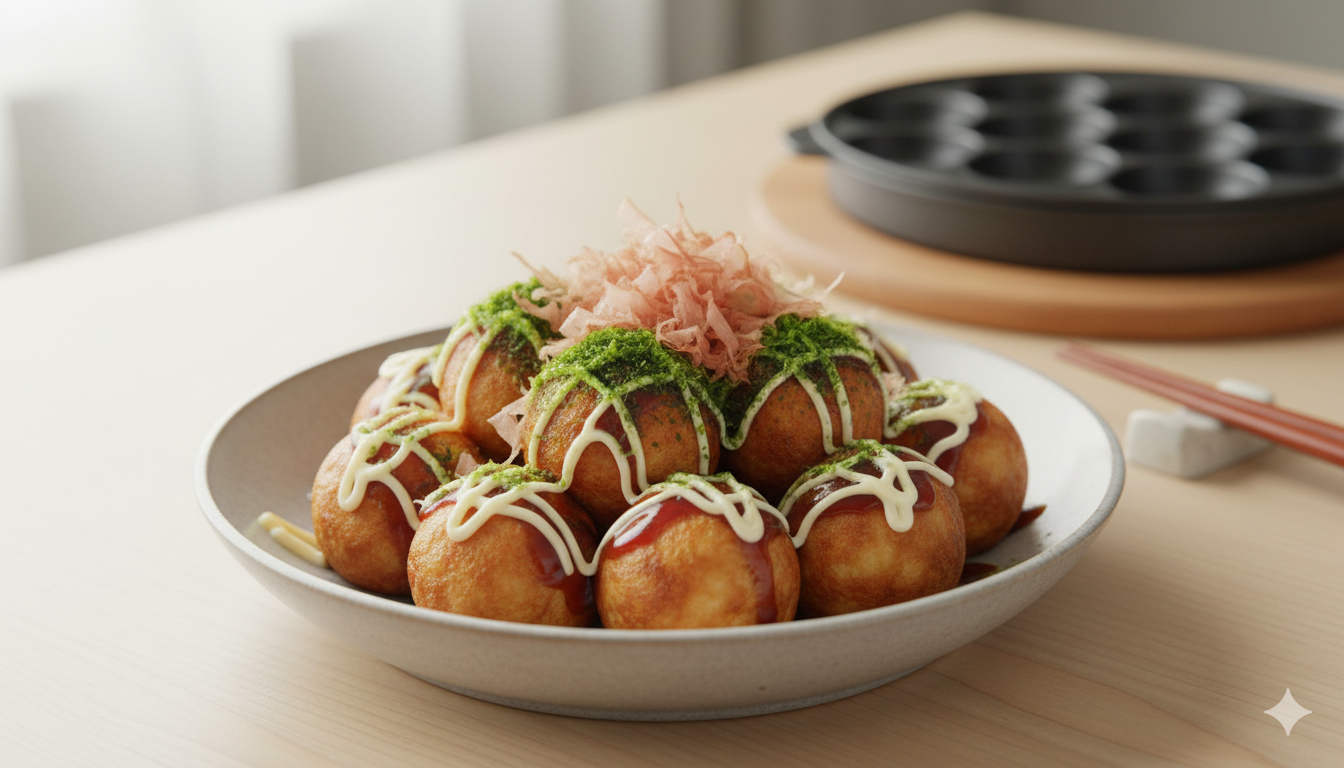
In the bustling streets of Japan, amid the vibrant colors and tantalizing aromas, lies a culinary gem that has captured the hearts and taste buds of locals and visitors alike-takoyaki. These golden, crispy orbs of dough, filled with tender octopus and a medley of savory ingredients, are far more than just a street snack; they are a symbol of Japan’s rich food culture and innovative spirit. In this article, we dive deep into the world of takoyaki, unraveling its origins, the art of its readiness, and the flavors that make it an irresistible treat. Join us as we uncover the story behind Japan’s beloved savory octopus delicacy and discover why takoyaki continues too delight palates around the globe.
The art of Crafting Perfect Takoyaki Batter
Takoyaki Uncovered: Japan’s Savory Octopus Treat Explained begins with the cornerstone of every irresistible bite-the takoyaki batter. Achieving that delicate balance between light, airy fluffiness and a slightly crisp exterior is what elevates this street food into a culinary masterpiece. Rooted in Osaka’s vibrant food culture, this batter is deceptively simple yet crucial for the iconic pillowy texture that envelopes tender octopus within.
Traditionally, the batter’s secret lies in its fluid consistency and carefully measured ingredients that react with heat as you cook. Using special dashi stock infuses depth, while a touch of yam flour or tempura scraps can add dimension and crunch. As you pour the batter into the hot takoyaki pan, it should gently fill each round mold, allowing for perfect browning and easy flipping with skewers.
Prep and Cook Time
- Preparation: 15 minutes
- Cooking: 20 minutes
- Total: 35 minutes
Yield
- approximately 30 takoyaki balls (serves 4-6)
Difficulty Level
- Intermediate (requires a takoyaki pan and some practice flipping)
Ingredients
- 1 ¼ cups all-purpose flour, sifted
- 2 large eggs
- 2 ½ cups cold dashi stock (homemade or high-quality instant dashi powder dissolved in water)
- 1 tsp soy sauce
- ½ tsp salt
- ¼ tsp baking powder
- 1 cup tenkasu (tempura scraps) – optional, for added texture
- 1 bunch green onions, finely chopped
- 150g cooked octopus, diced in ½ inch pieces
- Butter or oil for greasing the pan
Instructions
- Prepare the batter: In a large bowl, whisk the eggs gently until combined. Slowly add the cold dashi stock while continuing to whisk to avoid lumps.
- Combine dry ingredients: In a separate bowl, sift together the all-purpose flour, salt, and baking powder.
- Mix wet and dry: Gradually fold the dry ingredients into the wet mixture until smooth and fluid. Avoid overmixing to keep the batter light.
- Add flavor particles: Stir in the soy sauce, tenkasu, and half the chopped green onions, reserving the rest for garnish.
- Heat the pan: Preheat the takoyaki pan over medium heat, generously greasing each mold with butter or oil to prevent sticking and ensure crisp edges.
- Cook the batter: Pour batter into each mold,filling them wholly. Add a piece of diced octopus into each filled mold immediately.
- Flip carefully: When the edges begin to set (about 2-3 minutes), use skewers or chopsticks to turn the balls 90 degrees. Continue rotating every 1-2 minutes to form perfect spheres with crisp,golden crusts. Cook until evenly browned and cooked through, about 12-15 minutes total.
- Final touches: Remove from the pan once golden and fully cooked. Allow a moment to cool before transferring to a serving dish for safety and to preserve shape.
Chef’s Notes & Tips for Success
- Batter consistency: The batter should be thin enough to easily flow into each mold but thick enough to hold the octopus pieces suspended. Adjust with a splash more dashi or flour as needed.
- Dashi stock: Using a quality dashi makes all the difference-consider kombu and bonito-based powder or homemade simmered stock for superior umami.
- Octopus prep: Use pre-cooked octopus tentacles, sliced evenly. Avoid overcooking in the pan as this toughens the texture.
- Temperature control: Medium heat works best – too high burns the exterior before the center cooks through, too low creates soggy takoyaki.
- Make ahead: Batter can be prepared a few hours in advance and refrigerated.Stir gently before use to recombine any separated ingredients.
Toppings and Sauces That Elevate Every Bite
Once perfectly formed, the magic continues with toppings. Classic takoyaki sauce, a rich and tangy condiment reminiscent of Worcestershire, is essential-spreading a glossy layer immediately after cooking. Follow with a generous drizzle of Japanese mayonnaise, which adds creamy brightness. Finish with a delicate sprinkle of dried bonito flakes (katsuobushi) that undulate like little flames in the heat, and a dusting of aonori seaweed for that quintessential umami aroma.
Serving Suggestions
- Arrange takoyaki on a traditional wooden boat platter or rustic ceramic plate for authentic presentation.
- Garnish with fresh, finely shredded cabbage or pickled ginger on the side for freshness.
- Offer extra green onions and a wedge of lemon to squeeze over the top for extra zing.
- Serve alongside a cold glass of iced green tea or Japanese soda for balance.
Where to Find Authentic Takoyaki across Japan
To truly experience takoyaki unmasked, a journey to osaka is essential-the city where this treat was born. From bustling street stalls in Dotonbori to specialty restaurants where chefs flip with expert precision, each venue adds its own twist. Tokyo offers refined versions, frequently enough paired with modern fusion toppings, while Hiroshima’s take sometimes includes extra vegetables folded in. For an insider guide to Japan’s regional culinary highlights, visit the Japan Food Travel guide.
For in-depth cultural insight and history,the Japan national Tourism Organization provides excellent resources on street food and its significance.
| Nutrient | Per Serving (5 balls) |
|---|---|
| Calories | 210 kcal |
| Protein | 9 g |
| Carbohydrates | 28 g |
| Fat | 6 g |

Q&A
Takoyaki Uncovered: Japan’s Savory Octopus Treat Explained – Q&A
Q1: What exactly is takoyaki?
A1: Takoyaki is a beloved Japanese street food consisting of small, round balls of batter filled primarily with diced octopus (tako).These delightful spheres are cooked in a special molded pan until their exterior turns crispy and golden, while the inside remains soft and savory.
Q2: How did takoyaki originate?
A2: Takoyaki originated in Osaka during the 1930s,invented by a street vendor named Tomekichi Endo. Inspired by a similar dish called akashiyaki (egg-rich octopus dumplings from Akashi), takoyaki quickly grew in popularity due to its irresistible flavor and convenient, handheld form.
Q3: What ingredients are used in making takoyaki?
A3: The core ingredients include a wheat flour-based batter, diced octopus, tempura scraps (tenkasu), green onions, and pickled ginger (benishoga). After cooking, takoyaki are typically brushed with a thick, sweet-savory sauce, drizzled with Japanese mayonnaise, and sprinkled with bonito flakes (katsuobushi) and seaweed powder (aonori).
Q4: How is takoyaki traditionally cooked?
A4: Takoyaki is cooked in a specialized cast-iron or molded pan with half-spherical molds.the batter is poured into these molds, and the fillings added before skillfully turning them with picks to form perfect spheres as they cook. this turning technique creates a crisp outside shell while keeping the inside tender.
Q5: Can you enjoy takoyaki in places other than Osaka?
A5: Absolutely! While Osaka is the heartland of takoyaki, you can find it throughout Japan at festivals, street stalls, izakayas (Japanese pubs), and even specialty restaurants. Each region sometimes adds its own twist, but the essence remains consistent – delicious, comforting octopus-filled balls.
Q6: Are there variations of takoyaki with different fillings?
A6: Yes! Although octopus is traditional, some variations use other seafood like shrimp or squid, or even vegetarian fillings such as cheese or mochi. Though, the classic takoyaki with octopus remains the timeless favorite for many.
Q7: What makes takoyaki such a popular snack?
A7: Takoyaki is beloved as it’s delicious, portable, and interactive – watching the vendor expertly flip the balls is almost as fun as eating them! Its combination of crispy exterior, tender batter, and savory octopus inside offers a unique texture and flavor that captures the heart of Japanese street food culture.
Q8: How should takoyaki be eaten?
A8: Takoyaki is best enjoyed hot, straight from the pan. Typically, it’s served on a small tray or skewer. Because the inside can be very hot and gooey, it’s wise to eat in small bites. The interplay of sauce, mayo, bonito flakes, and seaweed enhances the taste in every mouthful.
Q9: Is takoyaki challenging to make at home?
A9: Making authentic takoyaki requires a special pan and some practice to master the flipping technique. While it may take a few tries to perfect, home cooks can absolutely recreate this savory treat and customize fillings to their liking, making the effort very rewarding!
Q10: What cultural significance does takoyaki hold in Japan?
A10: Beyond being a tasty snack, takoyaki represents community and festivity.It’s widely featured at matsuri (festivals) and gatherings, symbolizing fun and togetherness through street food. for many, it’s a nostalgic reminder of childhood and local Osaka pride.
Enjoy the magic of takoyaki – a round little package of Japan’s culinary soul!
To Conclude
From bustling street corners in Osaka to trendy food stalls across the globe, takoyaki has firmly cemented its place as more than just a snack-it’s a flavorful emblem of Japanese culinary artistry. with each crispy bite revealing tender octopus, a symphony of batter, and a dance of savory sauces, takoyaki invites us to savor not only its taste but the culture and history kneaded into every round ball.So next time you encounter this iconic treat, remember: you’re not just enjoying a speedy bite-you’re partaking in a delicious tradition that continues to capture hearts, one savory sphere at a time.