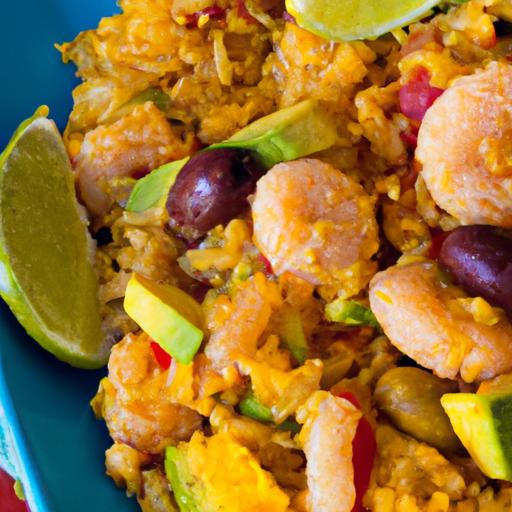



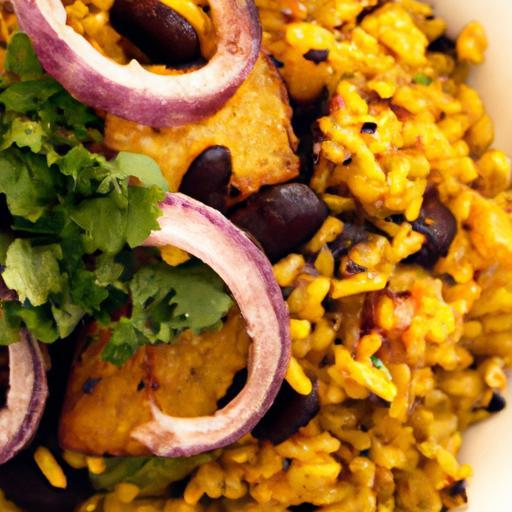
In the vibrant tapestry of Mexican cuisine, few dishes embody the soul and spirit of the culture quite like authentic Mexican rice. More than just a side, this humble staple is a flavorful canvas painted with rich history, regional nuances, and time-honored techniques passed down through generations. From the fragrant notes of toasted garlic and onions too the tantalizing hues of tomato and chili, Mexican rice tells a story of communal kitchens, festive tables, and the artful balance of simplicity and depth. Join us as we explore the flavorful art of authentic Mexican rice traditions-where every grain carries a legacy and every bite is a festivity.
Exploring the roots and Regional Variations of Mexican Rice
The Flavorful Art of Authentic Mexican Rice Traditions is deeply rooted in centuries of culinary evolution, blending indigenous ingredients with Spanish influences to create a vibrant staple that transcends borders.From the rich red hues of Jalisco’s classic arroz rojo to the fragrant, herb-filled rice of the Yucatán Peninsula, each region puts its own spin on this beloved dish. My own journey with Mexican rice began in a bustling market in Mexico City, where the aroma of toasted rice, tomatoes, and fresh chilies sparked an enduring passion for recreating its authentic magic at home.
Mastering the Essential Ingredients for Vibrant Flavour
The heart of authentic Mexican rice lies in its simple, fresh ingredients combined with a technique that unlocks deep, layered flavors. Long-grain white rice is key for the desired fluffy texture, while ripe tomatoes, aromatic onions, and pungent garlic create the flavorful base. Toasting the rice before simmering enhances its nuttiness and prevents clumping. Customary additions like fresh cilantro, jalapeños, and a pinch of cumin add complexity without overwhelming the dish.
Prep and Cook Time
- Prep Time: 10 minutes
- Cook Time: 25 minutes
- Total Time: 35 minutes
yield
Serves 4 generous side servings
Difficulty Level
Easy – Perfect for both beginners and seasoned cooks eager to master this classic side
Ingredients
- 1 ½ cups long-grain white rice,rinsed and drained
- 3 tablespoons vegetable oil
- 1 small white onion,finely chopped
- 2 cloves garlic,minced
- 2 large ripe tomatoes or 1 cup tomato puree
- 2 ½ cups vegetable broth (preferably low sodium)
- 1 small jalapeño,seeded and finely chopped (optional for mild heat)
- ½ teaspoon ground cumin
- Salt to taste (about 1 teaspoon)
- Fresh cilantro leaves for garnish
Instructions
- Toast the rice: Heat the vegetable oil in a heavy-bottomed saucepan over medium heat. Add the rinsed rice and sauté until grains are golden and aromatic, about 5 minutes, stirring occasionally to prevent sticking.
- Sauté aromatics: Add the chopped onion and minced garlic to the rice. Cook until softened and translucent, about 3 minutes, being careful not to burn the garlic.
- Prepare the tomato base: if using fresh tomatoes,blend them until smooth. Pour the tomato puree or blended tomatoes into the rice mixture. Stir well and cook until the mixture thickens slightly, about 4 minutes.
- add spices and broth: Stir in the chopped jalapeño (if using),ground cumin,and salt. Then pour in the vegetable broth, stirring to combine.
- Simmer the rice: Increase the heat to high and bring to a boil.Once boiling, reduce to low, cover, and simmer gently for 18-20 minutes without lifting the lid.
- Let it rest: Turn off the heat and let the rice sit, covered, for 5 minutes to steam. Fluff gently with a fork before serving.
Tips for Success
- Rinsing rice: Always rinse your rice until the water runs clear to remove excess starch and prevent the dish from becoming gummy.
- Toasting technique: Don’t rush the toasting – this step creates the signature nutty flavor and an even texture.
- Vegetable broth: Using homemade or high-quality vegetable broth elevates the depth of flavor far beyond water.
- Adjusting heat: Omit the jalapeño for a milder rice or swap with a smoky chipotle pepper for an added dimension.
- Make-ahead: Mexican rice reheats beautifully and can be prepared a day in advance; just re-fluff and add a squeeze of fresh lime before serving.
Pairing Authentic Mexican Rice with Traditional Dishes for a Complete Meal
the versatility of Mexican rice brings it naturally alongside iconic plates like chicken tacos, savory enchiladas, or steaming bowls of pozole.A sprinkle of fresh cilantro and a few lime wedges add brightness to the warm, comforting grains. Combine with sides such as refried beans or grilled vegetables to complete the meal, or present the rice crowned with freshly sliced avocado for a vegetarian delight. This layered, soulful plate not only satisfies but pays homage to a colorful cultural tradition.
| Nutrient | Per Serving |
|---|---|
| Calories | 210 kcal |
| Protein | 4 g |
| carbohydrates | 44 g |
| Fat | 5 g |

For more ideas on traditional Mexican sides, check out our complete Ultimate Guide to Mexican Beans.To deepen your understanding of the past importance of Mexican cuisine, the Encyclopedia Britannica’s Mexican Cuisine overview is an excellent resource.
Q&A
Q&A: The Flavorful Art of Authentic Mexican Rice Traditions
Q1: What makes Mexican rice different from other types of rice dishes?
A1: Mexican rice stands out due to its vibrant color, rich aroma, and the careful layering of flavors. Unlike plain steamed rice, Mexican rice is typically toasted in oil before cooking, which adds a nutty depth. The blending of tomatoes, onions, garlic, and chili peppers creates a savory, slightly spicy flavor profile that complements almost any meal. It’s not just a side dish-it’s a celebration of ingredients and tradition.
Q2: Why is toasting the rice grains essential in traditional Mexican rice recipes?
A2: Toasting the rice before adding any liquid develops a subtle nuttiness and helps each grain stay separate and fluffy after cooking. This technique prevents the rice from turning mushy and enhances its texture. It’s an age-old trick that transforms simple rice into a fragrant and visually appealing dish.
Q3: What are some authentic ingredients used in mexican rice?
A3: Classic Mexican rice uses white long-grain rice, fresh tomatoes or tomato sauce, onions, garlic, and broth-often chicken or vegetable. Additional ingredients like diced carrots, peas, and corn can also be included for extra texture and flavor. Fresh herbs such as cilantro and epazote contribute an aromatic finish that is uniquely Mexican.Q4: can the liquid used for cooking mexican rice vary?
A4: Absolutely! While chicken broth is common,many traditional recipes utilize vegetable broth or homemade stocks infused with regional spices and herbs. The choice of liquid profoundly influences the taste, making each family’s recipe distinct and personal.Q5: How do regional variations influence Mexican rice preparations?
A5: Mexico’s diverse climates and culinary cultures give rise to myriad rice styles. In coastal areas, you might find rice cooked with seafood broth and hints of lime, while highland regions favor spicier versions with tomatoes and roasted chilies. Each region adapts the rice to local ingredients, resulting in an exciting spectrum of textures and flavors.
Q6: What role does mexican rice play in traditional meals?
A6: Mexican rice is much more than a side dish; it’s a companion that ties the meal together.Whether paired with beans, grilled vegetables, or hearty stews, the rice balances bold flavors on the plate and adds comfort. It’s a staple in celebrations and everyday dinners alike.
Q7: Are there any tips for achieving perfect, fluffy Mexican rice at home?
A7: Key tips include rinsing the rice well to remove excess starch, toasting the grains evenly until golden, and simmering gently with a tightly fitting lid to trap steam. Avoid stirring during cooking to prevent mushiness. Patience and attention to detail ensure each grain cooks to tender perfection.
Q8: How can one infuse Mexican rice with extra layers of flavor without overpowering the dish?
A8: Subtle touches like a squeeze of fresh lime at the end,a sprinkle of fresh cilantro,or a gentle dash of smoked paprika can add brightness and complexity.Using fresh, high-quality ingredients ensures the natural flavors shine without needing excessive seasoning.
Q9: Is Mexican rice gluten-free and suitable for special diets?
A9: Yes! Mexican rice made with natural ingredients-rice, vegetables, broth, and spices-is naturally gluten-free, making it a delicious option for those with gluten sensitivities. It can easily be adapted for vegetarian or vegan diets by choosing vegetable broth and omitting animal-derived garnishes.
Q10: What is the cultural significance of Mexican rice in family traditions?
A10: Mexican rice frequently enough accompanies celebrations, holidays, and everyday gatherings. Preparing it is an act of love, passed down through generations, preserving heritage and stories. Each humble grain carries with it memories of family kitchens, festive tables, and shared joy-making it an enduring symbol of Mexican culinary identity.
To Wrap It Up
As the final grains settle on your plate, the story of authentic Mexican rice reveals itself – a vibrant tapestry woven from history, culture, and countless loving hands in the kitchen. Each spoonful carries more than just flavor; it carries tradition, community, and a celebration of heritage that has traveled through generations. Embracing these time-honored techniques not only enriches your palate but also invites you to partake in a culinary journey that honors Mexico’s soul. So next time you savor that golden, fragrant rice, remember: you’re tasting more than a side dish – you’re experiencing a flavorful art form, alive and thriving in every bite.