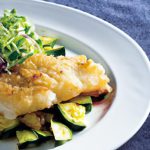





In a world where culinary traditions weave stories across generations, few dishes capture the essence of heritage quite like the classic salt cod brandade. This humble yet exquisite preparation transforms preserved salt cod into a luscious, creamy delight that transcends time and geography. Unlocking the flavor of brandade is not merely a cooking technique-it is an art form, a delicate balance between simplicity and sophistication. Join us as we dive into the rich history, essential ingredients, and masterful methods that bring this iconic dish to life, revealing how a pantry staple becomes a festivity of flavor and culture on every plate.
Unlocking Flavor through salt cod brandade is a journey into centuries-old culinary tradition, one that celebrates the humble yet nuanced marriage of salt-preserved fish, creamy potatoes, and fragrant olive oil. This dish traces its origin to the Mediterranean coasts-primarily Provence and Catalonia-where fishermen relied on salt cod as a durable, nutritious staple. Over time, these communities transformed the basic ingredients into a luscious, silky purée that captures both history and heart in every bite.
When I first tasted salt cod brandade, it was in a cozy seaside bistro, where the brandade was spooned elegantly over crisp crostini. The creamy texture contrasted perfectly with the delicate flakiness of the fish, leaving me inspired to recreate this timeless classic at home. Unlocking Flavor in salt cod brandade means mastering that balance-achieving a smooth yet texturally engaging dish enlivened by authentic ingredients and simple, expert techniques.
prep and Cook Time
- Preparation: 15 minutes
- Soaking Salt Cod: 24-36 hours (overnight or longer, changing water)
- Cooking: 15-20 minutes
- total Time: Approximately 1.5 days (mostly passive soaking)
yield
Serves 6 as a starter or light main course
Difficulty Level
Medium – requires planning for soaking and gentle handling of ingredients
Ingredients
- 1 lb (450g) salt cod fillet, desalted (soaked for 24-36 hours, water changed 3-4 times)
- 2 large Yukon gold potatoes, peeled and quartered
- 1 cup extra virgin olive oil (use a fruity, high-quality oil)
- 3 cloves garlic, finely minced
- 1 cup whole milk, warm
- Freshly ground black pepper, to taste
- Sea salt, sparingly, as needed
- 1 tbsp flat-leaf parsley, finely chopped (for garnish)
- Optional: pinch of cayenne pepper for subtle warmth
Instructions
- Prepare the Salt Cod: Drain the soaked salt cod and gently pat dry with paper towels.Remove any skin and bones carefully, then shred the fish into bite-sized flakes, ensuring no tough pieces remain.
- Cook the Potatoes: Place the peeled and quartered Yukon Gold potatoes in a pot of cold water with a pinch of salt. Bring to a boil and simmer until fork-tender, about 15 minutes. Drain and set aside.
- Sauté the Garlic: In a medium skillet over low heat, warm 2 tablespoons of olive oil and gently sauté the minced garlic until fragrant and golden, about 2 minutes. Avoid browning the garlic to maintain a clean, mellow flavor.
- Heat the Milk: In a small saucepan, warm the whole milk just until steaming, no boiling. Keep it on vrey low heat while preparing the mash.
- Combine Ingredients: In a large bowl or food processor, combine the shredded cod, cooked potatoes, sautéed garlic, and about half of the warm milk. Begin mashing or pulsing while slowly drizzling in the olive oil, producing a gently whipped and creamy texture. Pause to taste and adjust texture by adding more warm milk if needed-you’re aiming for a spreadable consistency, not too runny or dense.
- Season Thoughtfully: Add freshly ground black pepper and a touch of sea salt if needed (remember the cod retains saltiness). If desired, sprinkle in a tiny pinch of cayenne pepper to brighten the dish subtly.
- Reheat Gently: For serving,warm the brandade over low heat or in a double boiler,stirring to maintain silkiness. Avoid overheating, which can cause the olive oil to separate and the texture to become grainy.
- Garnish and Serve: Transfer to a shallow bowl or terrine, drizzle with a final splash of olive oil, and sprinkle chopped flat-leaf parsley before serving warm with toasted baguette slices or crisp vegetables.
Tips for Success: elevate Every Batch
- Desalting is key: Properly soaking your salt cod will prevent overpowering saltiness and ensure a tender, flaky texture-a crucial step for authentic flavor.
- Olive oil quality matters: Use a fruity, cold-pressed olive oil to add luscious aroma and richness.
- Texture balance: Combine hand-mashing with food processor pulses to control the interplay between creamy mash and delicate cod flakes.
- Make ahead: Brandade can be prepared a day ahead and gently reheated; flavors deepen with resting time.
- Substitutions: Yukon Gold potatoes are preferred for creaminess, but a waxy-third potato like Charlotte can also work if peeled well.
- For an airier brandade: fold in some whipped warm milk gently at the end to lighten the texture.
Serving Suggestions for a Memorable Experience
Serve the brandade warm or at room temperature alongside crisp crostini, grilled vegetables, or lightly dressed bitter greens such as frisée. A drizzle of lemon-infused olive oil or a scattering of toasted pine nuts adds an unexpected textural contrast. For a rustic presentation, fill small ramekins and sprinkle breadcrumbs on top, then briefly broil until golden for a delightful crust. Garnish with finely chopped parsley and a few capers to introduce briny brightness that complements the salty cod beautifully.
| Nutrient | Per Serving |
|---|---|
| Calories | 320 kcal |
| Protein | 28 g |
| Carbohydrates | 18 g |
| Fat | 16 g |
Discover another Mediterranean classic like Provençal Caponata to accompany your brandade for a full meal. For more on the tradition and science of salt cod preparation, visit the Salt Institute.

Q&A
Q&A: Unlocking Flavor – The Art of Classic Salt Cod Brandade
Q1: What is salt cod brandade, and why is it considered a culinary classic?
A: Salt cod brandade is a silky, savory emulsion of salt-cured cod, olive oil, and often potatoes or cream, whipped into a luxurious spread. Originating from the Mediterranean coasts, it’s prized for transforming humble preserved fish into a dish bursting with intense flavor and smooth texture. Its timeless appeal lies in the marriage of tradition, technique, and regional ingredients that create something greater than the sum of its parts.Q2: Why use salt cod rather of fresh cod in brandade?
A: Salt cod offers a concentrated flavor profile that fresh cod simply can’t match. The curing process intensifies the fish’s taste and creates a firmer texture ideal for emulsification. Salt cod also has the practical advantage of being shelf-stable, a nod to history when preserving fish for long voyages or winter months was essential. This preservation method adds layers of depth and umami that are signature to brandade.
Q3: How do you properly prepare salt cod before making brandade?
A: Preparation is key. Salt cod must be soaked in cold water for 24 to 48 hours to remove excess salt, with the water changed several times during soaking. This rehydration process softens the flesh and balances the saltiness without stripping away its savory essence, setting the stage for the perfect creamy blend.
Q4: What role does olive oil play in a brandade?
A: Olive oil isn’t just a binder or flavor enhancer; it’s the heart of the emulsion. Its fruity, peppery notes complement the salt cod’s marine flavors while contributing to the brandade’s rich, velvety texture. Traditionally, generous amounts of high-quality extra virgin olive oil are slowly incorporated to create that signature smooth and luscious consistency.
Q5: are potatoes always part of a classic brandade recipe?
A: While many regional versions include mashed potatoes to add body and creaminess, others rely solely on the cod and olive oil emulsion. Potatoes lend a gentle earthiness and help mellow the saltiness, making the dish more approachable for various palates. The choice depends on personal taste or regional tradition,but either version highlights the artistry behind balancing flavors and texture.
Q6: Can brandade be served warm or cold?
A: both! Brandade is wonderfully versatile. Served warm, it’s a comforting dish, ideal for spreading on crusty bread or topping roasted vegetables. Chilled, it becomes a refreshing, sophisticated dip or canapé base, perfect for entertaining. The temperature shifts can highlight different nuances of flavor and texture, making each experience uniquely enjoyable.
Q7: What are some traditional ways to enjoy brandade?
A: Classic serving suggestions include spreading it on toasted baguette slices, stirring it into pasta, dolloping it atop grilled artichokes, or simply pairing it with steamed vegetables.its richness also makes it a superb filling for pastries or a decadent addition to a layered appetizer platter. The simplicity of brandade invites creativity while honoring its rustic roots.
Q8: How can one unlock deeper flavors when making brandade at home?
A: Unlocking brandade’s full flavor potential involves patience and quality ingredients. Starting with the best salt cod, gently poaching rather than boiling to protect delicate textures, and slowly emulsifying with olive oil will yield the smoothest, most flavorful result. Finishing touches like freshly ground black pepper, a hint of garlic, or a squeeze of lemon zest can elevate the dish without overpowering its classic essence.
Q9: Is salt cod brandade a seasonal dish, or can it be enjoyed year-round?
A: Traditionally linked to winter months due to the origins of salt cod preservation, brandade’s comforting richness makes it ideal for colder seasons. However,its light,radiant Mediterranean flavors lend themselves beautifully to warmer months as well,especially when chilled or served with fresh vegetables,making it a true year-round culinary treasure.
Q10: Why is salt cod brandade more than just a recipe-why is it an art?
A: Brandade encapsulates the art of transforming simplicity into elegance. It demands respect for ingredients, attention to technique, and a sense of balance between salt, fat, and texture. Each step, from desalting the cod to the final drizzle of olive oil, is a brushstroke on the canvas of flavor. Mastering brandade means unlocking a heritage of taste, patience, and creativity that elevates humble salt cod beyond the ordinary.
The Way Forward
As we close the chapter on the timeless delight of classic salt cod brandade, it’s clear that this humble dish is much more than a blend of simple ingredients-it’s a culinary symphony that celebrates tradition, patience, and the art of flavor unlocking. Whether enjoyed as a comforting spread or an elegant appetizer,brandade invites us to savor the rich heritage of salt cod and to appreciate how technique transforms preserved fish into creamy perfection. So next time you embark on a kitchen adventure, let brandade inspire you to unlock flavors both ancient and remarkable, reminding us that sometimes, the most unassuming dishes hold the deepest stories on our plates.