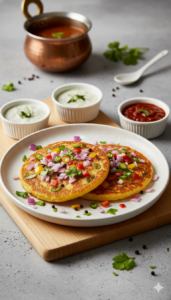




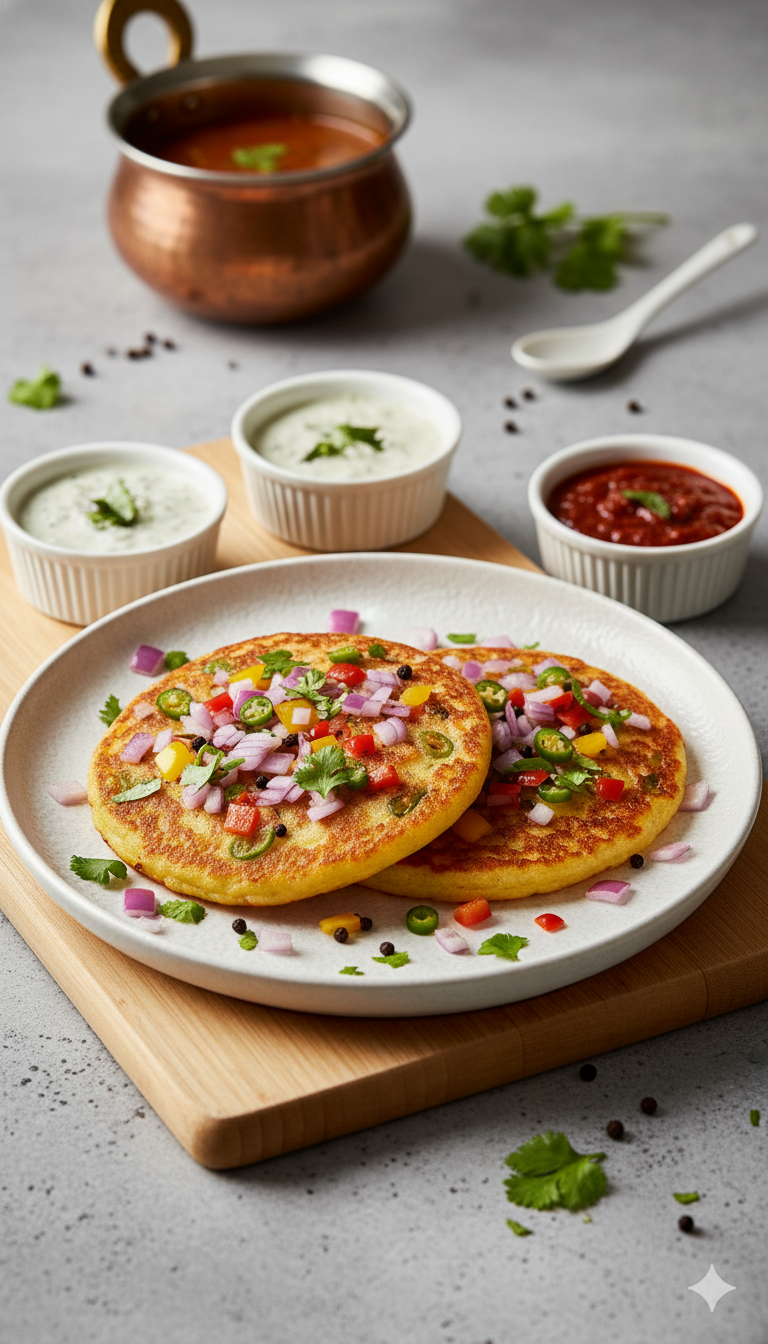
In the vast and vibrant tapestry of South Indian cuisine, few dishes capture the essence of tradition and comfort quiet like uttapam. This savory pancake, wiht its golden, crisp edges and soft, pillowy center, is more than just a breakfast staple-its a culinary story steeped in history, culture, and flavor. “Uttapam Unveiled: South India’s Savory Pancake Delight” invites you on a flavorful journey to explore the origins, ingredients, and secrets behind this beloved dish. Whether topped with a colorful medley of fresh vegetables or enjoyed plain with chutneys and sambar, uttapam offers a perfect harmony of taste and texture that continues to enchant food lovers around the world. Join us as we peel back the layers of this iconic South Indian treat and discover what makes uttapam a timeless favorite.
Origins and Cultural Significance of Uttapam in South Indian Cuisine
Uttapam Unveiled brings you closer to a beloved classic that has crowned South Indian breakfast tables for centuries. Originating from Tamil Nadu and Karnataka, this savory pancake is more than just a dish-it’s a story of heritage, simplicity, and communal dining. Unlike the crisp dosa, Uttapam is thicker and topped generously with fresh vegetables, making it both comforting and nourishing. Traditionally cooked on a hot griddle,this fluffy delight embodies the rich culinary techniques passed down through generations,frequently enough enjoyed during festivals and family gatherings.Its versatility and wholesome ingredients showcase the emphasis South Indian cuisine places on balance and flavor.
Mastering the Art of Perfect Uttapam Batter and Ingredients
Perfecting your Uttapam batter is the key to achieving its signature soft texture with a slight crisp on the edges. The batter is a harmonious blend of parboiled rice, split urad dal (black gram), and fenugreek seeds-ingredients that not only provide nutrition but also impart a subtle tang and fluffy rise during fermentation.
Fermentation is crucial and provides a gentle sour undertone, making each bite delightfully light and fluffy. To achieve this, soak rice and urad dal separately for 4-6 hours, grind them to a smooth paste, and let the mixture ferment overnight in a warm spot. The batter should double in volume and develop tiny air bubbles, signaling readiness.
Prep and Cook Time
- Readiness: 10 minutes (plus soaking and fermentation time)
- Cooking: 20-25 minutes
- Total: Approximately 12-14 hours (including fermentation)
Yield
- Serves 4-5 people
Difficulty Level
- Medium
Ingredients
-
- 1 cup parboiled rice, soaked for 4-6 hours
- 1/4 cup split urad dal (black gram), washed and soaked for 4-6 hours
- 1 teaspoon fenugreek seeds, soaked with dal
- Salt, to taste
- Water, as needed for grinding
- 2 tablespoons oil or ghee, for cooking
- 1/2 cup finely chopped onions
- 1/2 cup finely chopped tomatoes
- 1/4 cup finely chopped green chilies (adjust to heat preference)
- 1/2 cup grated carrots
- 2 tablespoons chopped fresh coriander leaves
- Optional: chopped bell peppers, grated ginger, mustard seeds for tempering
Instructions
- Prepare the batter: Drain soaked rice and dal. Grind the urad dal and fenugreek seeds into a fine, fluffy paste using minimal water. Similarly, grind the rice coarsely to lend texture to the batter.
- Combine and ferment: Mix both batters thoroughly in a large bowl with salt. Cover with a cloth and keep in a warm place overnight or for 8-12 hours until it rises and bubbles appear.
- Preheat the pan: Heat a non-stick or cast-iron griddle over medium heat.Drizzle a few drops of oil and wipe off with a cloth to ensure an even surface.
- Spread the batter: Pour a ladleful of batter gently onto the pan,spreading slightly to form a thick pancake about 1/2 inch thick. It should hold shape and not run thin like a dosa.
- Add toppings: Quickly sprinkle chopped onions, tomatoes, green chilies, carrots, and coriander evenly atop the batter. Press them lightly for better adherence.
- Cook the Uttapam: Drizzle oil or ghee around the edges and on top. Cover and cook on medium-low heat for 5-7 minutes,or until the base turns golden brown and the toppings soften. Flip carefully if you prefer some crispness on the other side, cooking an additional 2 minutes.
- Serve hot: Remove using a spatula, garnish with fresh coriander, and serve immediately for the best texture and taste.
Tips for Success
- Batter consistency: Aim for a thick but pourable batter, resembling pancake batter. Too thin batter will lose the characteristic fluffy thickness of Uttapam.
- Fermentation: Warm climates speed up fermentation-use your oven with the light on if necessary. A properly fermented batter tastes tangy and airy.
- Toppings variations: Experiment with grated beetroot, chopped mushrooms, or shredded paneer for diverse flavors.
- Cooking surface: Use cast iron or a heavy griddle for even heat distribution and a perfect golden crust.
- Make-ahead option: Prepare batter in advance and refrigerate. bring to room temperature before cooking and stir well.
Toppings and Variations to Elevate Your Uttapam Experience
One of the most enchanting qualities of Uttapam is its adaptability. From the classic onion-tomato mix to innovative fusion twists, toppings provide bursts of color and flavor. For a vibrant and textural contrast, try layering finely chopped bell peppers, sweet corn, or even thin slices of avocado after cooking for a creamy finish.
Cheese Uttapam introduces a melty indulgence that delights kids and adults alike-sprinkle grated mozzarella or paneer over the batter just before it finishes cooking. Spicing it up with freshly minced ginger or curry leaves tempering enhances the aroma and authenticity.
Serving Suggestions and Pairing Uttapam with Traditional Chutneys and Sambar
Serving Uttapam isn’t complete without traditional accompaniments that amplify its flavor and elevate the dining experience.The robust taste of south Indian sambar, a tangy, spicy lentil stew, perfectly complements the mild, savory pancake, balancing textures and warmth.
Accompany with vibrant chutneys like coconut chutney-a cool, creamy blend of grated coconut, green chilies, and tempered mustard seeds-and fiery tomato or mint chutneys to amplify the layers of flavor. Garnish your plate with freshly chopped coriander and a wedge of lemon for a citrusy kick. For an enhanced aroma, drizzle a touch of freshly melted ghee right before serving.
| Nutrient | Per Serving |
|---|---|
| Calories | 220 kcal |
| Protein | 6 g |
| Carbohydrates | 38 g |
| Fat | 4 g |

Q&A
Q&A: Uttapam Unveiled – South India’s savory Pancake Delight
Q1: What exactly is Uttapam?
A: Uttapam is a traditional South Indian dish that resembles a thick, savory pancake. Made from a fermented batter of rice and urad dal (black gram), it’s uniquely topped with a vibrant array of fresh vegetables and herbs before cooking, creating a delightful medley of flavors and textures.Q2: How does Uttapam differ from dosa or regular pancakes?
A: While dosa is thin and crisp, uttapam is thicker and softer, almost like a pancake with a spongy center. Unlike regular pancakes, uttapam incorporates fermented rice batter and is topped with savory ingredients such as onions, tomatoes, chilies, and coriander, giving it a distinctive savory taste rather than sweet.
Q3: What are the traditional toppings used on Uttapam?
A: Traditional toppings include finely chopped onions, tomatoes, green chilies, grated carrot, and fresh coriander leaves. Some variations also incorporate mustard seeds, curry leaves, and grated ginger to enhance aroma and flavor.
Q4: Is the batter for Uttapam tough to prepare?
A: Not at all! The batter is a simple mixture of rice and urad dal soaked separately, then ground into a smooth paste and left to ferment overnight.The fermentation gives Uttapam its signature tang and airy texture. This batter can be prepared in advance and stored in the refrigerator.Q5: When is Uttapam typically eaten?
A: Uttapam is an all-day favorite-commonly enjoyed as a hearty breakfast, a light lunch, or even an evening snack. Its wholesome nature makes it perfect anytime you crave something warm, comforting, and nutritious.
Q6: How is Uttapam commonly served?
A: Uttapam is traditionally served hot off the griddle, often accompanied by coconut chutney, tomato chutney, and a bowl of sambar (a tangy lentil stew). These sides complement the flavors, adding layers of taste and richness to the meal.
Q7: Can Uttapam be made gluten-free?
A: Absolutely! As the batter is primarily made from rice and lentils, Uttapam is naturally gluten-free, making it an excellent choice for those with gluten sensitivities or anyone wanting a gluten-free savory treat.
Q8: are there modern twists on the traditional Uttapam?
A: Yes! Contemporary cooks frequently enough experiment with toppings, incorporating ingredients like grated beetroot for color, paneer cubes for added protein, or even mixes of bell peppers and corn to elevate the crunch and sweetness.Some even add mild spices like cumin or chaat masala sprinkled on top to add zing.
Q9: What makes Uttapam a nutritious choice?
A: uttapam combines the benefits of fermented batter-which aids in digestion-with fresh vegetable toppings, making it rich in fiber, protein, and essential vitamins. It’s a balanced dish that can satisfy hunger while supporting gut health.
Q10: can Uttapam be prepared without fermentation if I’m in a hurry?
A: While fermentation enhances flavor and texture, you can make a speedy version by using ready-made batter or blending rice flour with yogurt for a faster turnaround.However, the taste and softness may differ slightly from the traditional fermented version.
Discover Uttapam-the perfect marriage of simple ingredients,traditional craftsmanship,and soulful South Indian flavors that bring a wholesome twist to your pancake cravings!
Insights and Conclusions
As the final morsel of uttapam melts away,one cannot help but appreciate the harmony of simplicity and flavor that defines this cherished South Indian specialty. More than just a savory pancake, Uttapam is a culinary canvas-where fermented rice and lentil batter meets vibrant toppings, creating a dish that is both humble and extraordinary. Whether enjoyed sizzling fresh from the griddle at a bustling street stall or savored during a leisurely homemade breakfast, Uttapam embodies the heart and heritage of South Indian cuisine.So next time you seek a comforting yet adventurous bite, remember Uttapam-a delicious reminder that sometimes, the most unassuming delights hold the richest stories.