



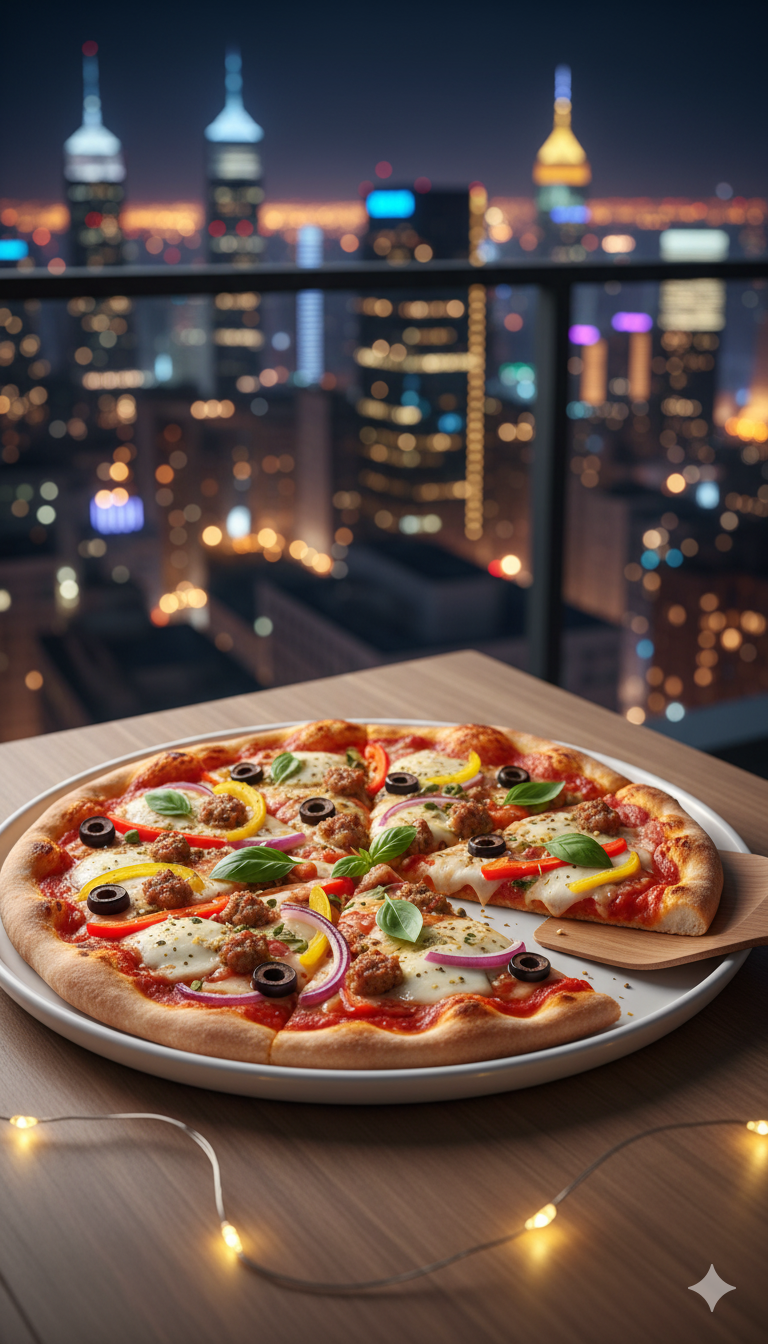
In a world where culinary creativity knows no bounds, the humble pizza has risen as a canvas for endless innovation-and nowhere is this more exciting than in the realm of vegan cuisine. Whether you’re a seasoned plant-based foodie or simply curious about exploring dairy- and meat-free delights, crafting the perfect vegan pizza is both an art and a science. This ultimate guide will take you on a journey through vibrant ingredients, foolproof techniques, and flavor-packed combinations that transform simple dough, sauce, and toppings into a mouthwatering masterpiece. Ready to roll up your sleeves and reinvent this timeless favorite? Let’s dive in and unlock the secrets to creating a vegan pizza that’s as satisfying as it is breathtaking.
Choosing the Ideal Vegan Dough for a crispy and Flavorful Base
Crafting the perfect vegan dough is the cornerstone of a truly memorable pizza experience. The secret lies in balancing hydration, gluten development, and fermentation time to achieve a crust that’s both crispy and tender with a rich, wheaty aroma. Using high-quality unbleached all-purpose flour or a mix with bread flour provides the ideal protein content for elasticity, while a splash of olive oil adds a buttery bite without weighing down the dough.
For an extra dimension of flavor, a slow, cold fermentation-letting the dough rest in the fridge overnight-works wonders. This process enhances the natural sugars in the flour, resulting in golden, caramelized edges once baked. don’t forget to generously dust your work surface with semolina or cornmeal to prevent sticking and help form that classic crunchy bottom.
Selecting and Preparing Plant-Based Cheeses that Melt Just Right
Not all vegan cheeses melt equally, and choosing the right one can elevate your creation from flat to fabulous. Those made from cashews, coconut oil, or almond bases often melt smoothly, creating luscious, gooey layers atop your toppings. Brands with tapioca starch or arrowroot in their ingredient list typically stretch and brown beautifully under the heat, mimicking traditional mozzarella.
For extra stretch and creaminess, try blending a mild, shredded vegan mozzarella alternative with a handful of nutritional yeast and a dash of lemon juice before spreading it evenly. Let it soften at room temperature prior to baking for an even melt and silky texture.
Innovative Toppings to Elevate Your Vegan Pizza Experience
Think beyond the classics-bold,fresh toppings will enliven your pizza and surprise your palate. start with a base layer of smoky charred bell peppers and caramelized onions for sweetness balanced by depth. Roasted garlic cloves, marinated artichokes, and sun-dried tomatoes add punch and umami.
For a burst of freshness and crunch, sprinkle thinly sliced radishes, arugula, or basil leaves *after* the pizza comes out of the oven. To add heft, hearty toppings like sautéed shiitake mushrooms, tempeh bacon, or spiced chickpeas bring texture and savory complexity. Don’t shy away from finishing with a drizzle of balsamic glaze or a sprinkle of toasted pine nuts for that gourmet touch.
Mastering Baking Techniques for a Perfectly Cooked Vegan Pizza Every Time
Mastering your oven’s behavior is essential-aim for a temperature between 475°F and 500°F (245°C to 260°C). Preheat your pizza stone or steel for at least 45 minutes to mimic a wood-fired oven’s intense heat, which crisps the crust quickly while lushly melting your cheese and toppings.
Slide your pizza onto the preheated surface using a well-floured peel, and keep the door of your oven closed as much as possible to maintain consistent heat. Bake for 10-12 minutes, rotating halfway for even color. watch for bubbling cheese and golden-brown crust edges as your cues to pull it out!
For an extra crisp crust, finish under the broiler for 1-2 minutes-but watch carefully to avoid burning. Rest your pizza for 5 minutes before slicing to allow the cheese to set and toppings to meld into one harmonious bite.
Prep and Cook Time
- preparation Time: 20 minutes (plus 8-12 hours fermentation for dough)
- cook Time: 12 minutes
- Total Time: Approximately 8.5-12.5 hours (including fermentation)
Yield
Serves 4 generous slices (1 medium 12-inch pizza)
Difficulty Level
medium - Requires some dough handling skills and baking precision but accessible with practice
Ingredients
- For the dough:
- 2 ½ cups unbleached all-purpose flour, sifted
- 1 cup warm water (100°F / 38°C)
- 1 teaspoon active dry yeast
- 1 tablespoon olive oil
- 1 teaspoon sea salt
- 1 teaspoon sugar
- Semolina or cornmeal for dusting
- For the vegan cheese blend:
- 1 cup shredded vegan mozzarella (cashew or coconut oil-based)
- 2 tablespoons nutritional yeast
- 1 teaspoon lemon juice
- Optional: pinch of garlic powder
- Innovative toppings:
- ½ cup caramelized onions
- ½ cup charred red and yellow bell peppers
- ¼ cup marinated artichoke hearts, chopped
- 2 tablespoons sun-dried tomatoes, thinly sliced
- ½ cup sautéed shiitake mushrooms
- fresh arugula and basil leaves for garnish
- Balsamic glaze and toasted pine nuts for finishing touch
Instructions
- Prepare the dough: In a small bowl, combine warm water, sugar, and yeast. Let it bloom for 5-10 minutes untill frothy.
- In a large mixing bowl, whisk flour and salt. Add the yeast mixture and olive oil. Mix until the dough forms.
- Knead on a floured surface for 8-10 minutes until smooth and elastic.
- Place the dough in a greased bowl,cover with a damp towel or plastic wrap,and refrigerate for 8-12 hours for slow fermentation.
- Preheat your oven and stone: Place a pizza stone or steel on the middle rack and heat to 500°F for at least 45 minutes.
- Remove dough from fridge and let it rest at room temperature for 30 minutes.Roll or stretch the dough gently on a semolina-dusted pizza peel.
- Assemble the pizza: Spread the vegan cheese blend evenly over the base.
- Layer on caramelized onions, charred peppers, artichokes, sun-dried tomatoes, and mushrooms.
- Transfer the pizza onto the preheated stone and bake for 10-12 minutes, rotating once halfway through.
- Optional: Broil the pizza for 1-2 minutes to achieve extra browning.
- Remove and rest for 5 minutes.Garnish with fresh arugula, basil, a drizzle of balsamic glaze, and sprinkle with pine nuts before serving.
Tips for success
- Allowing the dough to ferment slowly in the fridge develops complex flavor and enhances crispness.
- Make sure to warm shredded vegan cheese to room temperature before baking for optimal melting.
- If your crust is soggy, try pre-baking it for 3-4 minutes before adding toppings.
- Experiment with different flours like spelt or whole wheat for a nuttier crust.
- Make-ahead: Dough can be frozen for up to 1 month. thaw in the refrigerator overnight before use.
Serving Suggestions
Slice your vegan pizza thin and serve on a rustic wooden board to showcase the vibrant toppings. Pair with a crisp green salad tossed in a lemon vinaigrette to balance the richness.Garnish each slice with a fresh basil leaf and sprinkle of cracked black pepper to awaken the flavor. For a festive touch, a small bowl of crushed red pepper and extra balsamic glaze on the side invites each guest to customize their slice.
| Nutritional details (per slice) | Calories | Protein | Carbs | Fat |
|---|---|---|---|---|
| Vegan Pizza | 320 kcal | 9 g | 42 g | 10 g |

Explore more creative vegan pizza topping ideas
For further details and plant-based cheese science, visit Serious Eats on vegan cheese melting.
Q&A
Ultimate Guide to Crafting the Perfect Vegan Pizza Recipe: Q&A
Q1: What makes a vegan pizza truly stand out compared to traditional pizza?
A1: A vegan pizza shines through its vibrant, plant-powered ingredients and creative flavor combinations. Without dairy cheese or meat, the magic comes from fresh vegetables, herbs, umami-rich sauces, and innovative cheese alternatives that deliver both taste and texture. It’s a celebration of nature’s bounty on a crispy, golden crust!
Q2: How do I achieve a perfectly crispy yet chewy vegan pizza crust?
A2: The secret lies in balancing hydration and fermentation. Using a high-protein flour (like bread flour), a little olive oil, a pinch of sugar to feed the yeast, and letting your dough rise slowly-preferably overnight-results in a chewy, airy structure. Bake at high heat (450°F/230°C or higher) on a preheated pizza stone or steel to crisp up that bottom crust beautifully.
Q3: What are some flavorful vegan “cheese” options that melt well?
A3: Cashew-based cheeses are superstar melters and spreaders-rich, creamy, and mild. Nutritional yeast adds a cheesy umami punch. Store-bought vegan mozzarella alternatives made from tapioca or coconut oil melt wonderfully and create that stringy effect. You can also try blended tofu or almond ricotta spread for a fresh, tangy layer.
Q4: How can I boost umami flavors without using animal products?
A4: Umami comes alive in vegan cooking through ingredients like sun-dried tomatoes, roasted mushrooms, caramelized onions, soy sauce or tamari, miso paste, and nutritional yeast. smoky paprika, roasted garlic, and a splash of balsamic vinegar add depth, making each bite satisfyingly complex.
Q5: Which sauces work best for a vegan pizza base beyond the classic tomato?
A5: Beyond traditional marinara, try creative sauces like roasted red pepper spread, pesto made with basil and pine nuts (skip cheese by blending in nutritional yeast), creamy cashew garlic sauce, or a smoky barbecue base. These elevate your pizza with unique flavors and keep your palette intrigued.
Q6: How do I make sure my toppings complement each other on a vegan pizza?
A6: Balance is key! Pair textures and flavors-think sweet roasted veggies with tangy pickled onions, crunchy fresh arugula on soft melted cheese alternatives, or spicy jalapeños alongside mild mushrooms. Consider layering your ingredients so wet and dry toppings do not sog the crust but meld harmoniously during baking.
Q7: Can I make a high-protein vegan pizza that’s still delicious?
A7: Absolutely! Incorporate toppings like seasoned tempeh or marinated tofu bites, sprinkle hemp seeds or toasted walnuts for crunch, and enrich your sauce with blended white beans or lentils. These options add both satisfying texture and a nutritious protein punch without compromising flavor.
Q8: Any tips for vegan pizza baking without specialized equipment?
A8: No pizza stone? No problem! use an inverted heavy baking sheet preheated in your oven to mimic a stone’s heat retention. Bake on the lowest rack to help the crust crisp up. You can also finish your pizza under the broiler for a minute or two to brown toppings beautifully-just watch closely!
Q9: How can leftovers be reinvented the next day to avoid waste?
A9: transform leftover vegan pizza into a quick panini by pressing it between slices of vegan bread with fresh greens,or chop and toss it into a vibrant salad for texture and flavor bursts. You could also dice it up and crisp it in a skillet for an impromptu savory snack that’s just as irresistible.
Q10: What’s the one piece of advice for perfecting a vegan pizza recipe?
A10: Experiment fearlessly! Vegan pizza invites creativity-test new crust flours, try unexpected sauces, and play with topping combos until you discover your signature slice. Keep flavors balanced, textures engaging, and above all, bake with love and patience-the tastiest pizzas often come from joyous trial and error.
In Retrospect
As you embark on your vegan pizza-making journey, remember that the perfect pie is as much about creativity and passion as it is indeed about technique. With the tips, tricks, and recipes shared in this guide, you’re equipped to craft pizzas that not only honour plant-based ingredients but also tantalize every taste bud. Whether you’re a seasoned vegan or simply exploring new culinary horizons, let your kitchen become a playground where dough rises, flavors meld, and every slice tells a story of wholesome, compassionate deliciousness. So grab your rolling pin, preheat that oven, and get ready to bake your way to vegan pizza perfection-because the ultimate slice is just a recipe away.