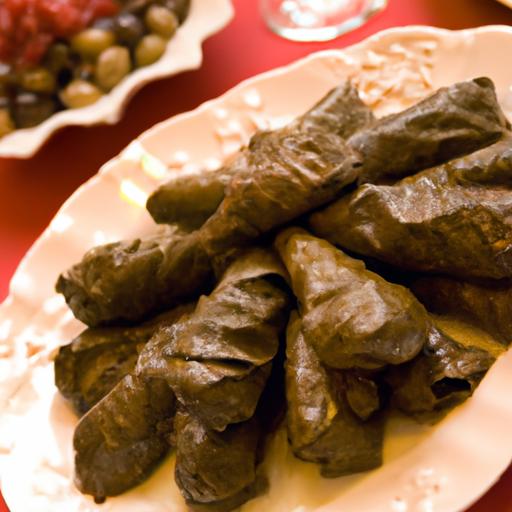



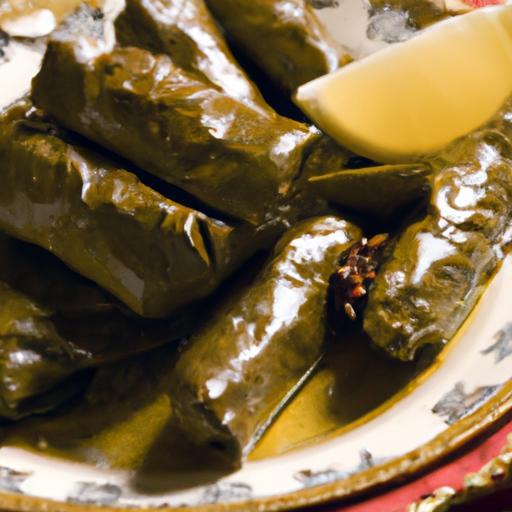
In kitchens spanning the Mediterranean, Middle East, and beyond, a humble leaf transforms into a vessel of tradition, flavour, and storytelling. Wrapped delicately around fragrant fillings of rice, herbs, and sometimes meat, stuffed grape leaves-known by names as varied as dolma, sarma, or yalanji-are much more than culinary creations; they are edible tapestries woven with history and culture. This article invites you to unravel the art and heritage behind these wrapped delights,exploring how generations have perfected this age-old craft,turning simple grape leaves into symbols of hospitality,celebration,and shared identity. Join us on a savory journey through time and taste, where every fold tells a story.
Origins and Cultural Significance of Stuffed Grape Leaves
Wrapped Delights embody centuries of culinary tradition and cultural storytelling across the Mediterranean and Middle Eastern regions.This humble yet artful dish-vine leaves tenderly wrapped around fragrant rice, herbs, and frequently enough a hint of tartness-traces roots back to ancient civilizations like the Byzantines and Ottomans. For generations, families have gathered around the preparation of these wrapped wonders, celebrating harvest seasons and festive occasions alike.
In many cultures, stuffed grape leaves symbolize hospitality and communal sharing. The slow, meticulous crafting of each leaf reflects patience and reverence for nature’s bounty. In Middle Eastern households, the act of rolling grape leaves is ofen a family ritual, fostering intergenerational bonds. This dish also traversed borders,adapting local flavors and ingredients to become a beloved culinary ambassador for countless communities.
Crafting Perfection: The Techniques behind Flavorful Stuffed leaves
Mastering stuffed grape leaves requires a delicate balance of texture and flavor, transforming simple ingredients into a sensory experience. The first essential step is selecting fresh,young grape leaves or properly brined jars to ensure pliability without bitterness. The filling is a harmonious blend of aromatic herbs like dill,mint,and parsley,combined with short-grain rice that swells tender but holds its shape.
Technique is everything: each leaf must be carefully peeled from its vein side to avoid tearing and then filled with the right amount of stuffing-too much and it bursts; too little and it lacks substance. The rolling motion is precise, folding sides inward before forming a tight, compact cylinder. Layering rolls snugly in the pot keeps them intact during simmering.
Slow cooking in an aromatic broth of lemon juice, olive oil, and broth infuses the grape leaves with bright, tangy undertones, while gentle steaming locks in moisture. The result is a luscious mouthfeel with subtle notes that dance between earthiness and citrus-fresh vibrancy.
Exploring Regional Variations and Unique Ingredient Combinations
Stuffed grape leaves are a canvas open to creative interpretation. The classic Mediterranean filling blends rice, pine nuts, and fresh herbs, whereas middle Eastern variations often introduce spices like allspice and cinnamon for warmth. In some regions, minced lamb or beef enrich the mixture, but our version celebrates the plant-based heritage with nuts and bright lemon zest.
Greek dolmades tend to emphasize dill and mint alongside lemon, while Turkish varieties incorporate currants and almonds or occasionally chickpeas, lending texture and subtle sweetness.Armenian recipes highlight the piquancy of sumac or za’atar herbs. in vegan and vegetarian adaptations prevalent today, ingredients like bulgur, lentils, or quinoa offer hearty alternatives while respecting tradition.
Tips and Tricks for Preparing and Serving Wrapped Delights at Home
Cooking wrapped delights at home is an inviting project with rewards that extend from kitchen to table. To prepare, soak or rinse your grape leaves if brined, and blanch fresh ones briefly to enhance pliability. Use a fork to gently pack filling-not overstuffing prevents tearing during cooking.
Stack your wrapped leaves tightly in the cooking vessel to avoid unravelling, then weight them with a heatproof plate or lid to keep everything submerged in bubbling broth. Patience is key-simmer low and slow for 45-60 minutes, allowing flavors to meld.
For serving, these stuffed grape leaves shine cold or room temperature, drizzled with extra virgin olive oil and a squeeze of fresh lemon. Garnish generously with chopped herbs and a dollop of creamy yogurt or tahini for contrast. They make a vibrant appetizer, part of a mezze spread, or an elegant side dish paired with grilled vegetables or legumes.
prep and cook Time
- Preparation Time: 40 minutes
- Cooking Time: 1 hour
- Total Time: 1 hour 40 minutes
Yield
- Approximately 30 stuffed grape leaves (serves 6)
Difficulty Level
- Medium
Ingredients
- 40 fresh grape leaves (or one 16 oz jar, drained and rinsed)
- 1 ½ cups short-grain rice, rinsed and drained
- 1 medium onion, finely chopped
- ¼ cup pine nuts, toasted
- ½ cup fresh dill, finely chopped
- ½ cup fresh parsley, finely chopped
- ¼ cup fresh mint, finely chopped
- 2 tablespoons olive oil, plus extra for drizzling
- Juice of 2 lemons, plus wedges for serving
- 1 teaspoon sea salt
- ½ teaspoon black pepper
- 2 cups vegetable broth
Instructions
- Prepare the grape leaves: If using fresh leaves, blanch in boiling water for 2 minutes until softened, then drain and pat dry. If using jarred leaves, rinse thoroughly to remove excess brine and gently pat dry.
- Toast pine nuts: In a dry skillet over medium heat, toast pine nuts until golden and fragrant, about 3 minutes, shaking the pan frequently to avoid burning. set aside.
- Sauté onions: heat 2 tablespoons of olive oil in a pan over medium heat. Add finely chopped onions and sauté until translucent and tender, about 5 minutes, stirring regularly.
- Mix filling: In a large bowl, combine rinsed rice, sautéed onions, toasted pine nuts, dill, parsley, mint, salt, pepper, and lemon juice. Stir until evenly combined.
- Stuff and roll: Lay a grape leaf vein side up, place about 1 tablespoon of filling near the stem end. Fold the sides inward and roll tightly towards the tip, like making a small cigar. Repeat until all filling is used.
- Layer in pot: Line the bottom of a wide, heavy-bottomed pot with a few leftover or torn grape leaves to prevent sticking. Arrange the stuffed leaves seam side down, packing tightly in layers.
- Add cooking liquid: Pour vegetable broth over the grape leaves, then drizzle with an additional 2 tablespoons of olive oil and juice of 1 lemon. Place a heatproof plate over the rolls to compress and prevent floating.
- Simmer gently: Cover, bring to a gentle simmer, and cook for 50-60 minutes until rice is tender and leaves are infused with lemony aroma. Avoid boiling to keep leaves intact.
- Cool and serve: Allow to cool slightly in pot before transferring to serving dish. Optionally drizzle with more olive oil and garnish with herbs and lemon wedges.
Chef’s Notes: Tips for Success
- For a more herbaceous profile, increase fresh mint and dill-these brighten the earthy rice.
- Always roll leaves snug but not overly tight; this keeps the delicate parchment from tearing during cooking.
- Make ahead: Stuffed grape leaves can be refrigerated up to 3 days or frozen. Reheat gently with a splash of broth to restore moisture.
- Substitute short-grain rice with fine bulgur for a nuttier texture without compromising tenderness.
- If using jarred leaves, soak them longer in warm water to reduce brininess if preferred.
Serving Suggestions
Serve these wrapped delights chilled or at room temperature alongside creamy yogurt sauce spiced with garlic and mint, or a drizzle of tahini for a luscious finish. Pair with a colorful Mediterranean salad featuring tomatoes, cucumbers, olives, and feta for a festive spread. Garnish plates with lemon wedges and sprigs of fresh herbs for a visually inviting presentation.
Enjoy as part of a mezze platter with hummus, baba ganoush, and warm pita bread to create a harmonious balance of flavors and textures.

| Nutrient | Per Serving (5 leaves) |
|---|---|
| Calories | 150 kcal |
| Protein | 3 g |
| Carbohydrates | 27 g |
| fat | 4 g |
Discover further inspiration with our Mediterranean Mezze Dishes Collection. For deeper historical context on grape leaves in culinary heritage, visit Britannica Dolmades Overview.
Q&A
Q&A: Wrapped Delights – The Art and history of Stuffed Grape leaves
Q1: What are stuffed grape leaves, and why are they so beloved across different cultures?
A1: Stuffed grape leaves, often known as dolmas or dolmades, are tender vine leaves wrapped around a flavorful filling of rice, herbs, and sometimes nuts or vegetables. Their appeal lies not only in their vibrant taste but also in the intricate skill of rolling each leaf perfectly. As a dish deeply rooted in the Mediterranean, Middle Eastern, and Balkan regions, stuffed grape leaves serve as a culinary bridge, reflecting centuries of cultural exchange and community celebration.
Q2: How far back does the tradition of stuffing grape leaves go?
A2: The tradition dates back thousands of years,with historical records pointing to ancient civilizations in Anatolia and the Eastern Mediterranean. Early recipes were likely passed down orally through generations, evolving with each culture’s unique palate.This venerable history illuminates how food has long been a vessel for storytelling and cultural identity.
Q3: What makes grape leaves the preferred “wrapping” for these stuffed delights?
A3: Grape leaves are prized for their tender yet sturdy texture, which softly envelops the filling without breaking. Their slight tanginess enhances the overall flavor,creating a flavorful balance when combined with the savory stuffing. moreover, grape leaves are seasonal treasures, frequently enough harvested fresh or preserved in brine, making them available year-round and integral to traditional cooking.Q4: Can you describe the artistry involved in preparing stuffed grape leaves?
A4: Absolutely! The process is a dance between precision and intuition. Selecting the right size leaf, preparing the filling with harmoniously balanced spices and herbs, and wrapping each leaf with care all require patience and finesse. The rolling must be tight enough to hold the filling but gentle enough to keep the leaf intact-a skill refined through time and practise.
Q5: What are some common ingredients found in the fillings, and how do they vary by region?
A5: Fillings commonly include rice or bulgur, mixed with fresh herbs such as dill, parsley, and mint. Pine nuts, currants, or chopped vegetables like onions and tomatoes add texture and depth. While Mediterranean versions often emphasize lemon juice and olive oil for brightness, Middle Eastern variations might incorporate warming spices like cinnamon or allspice, each regional twist telling its own flavorful story.
Q6: How are stuffed grape leaves traditionally served and enjoyed?
A6: Typically, stuffed grape leaves are served as appetizers, part of mezze platters, or as a comforting main course paired with yogurt or tahini sauces. They can be enjoyed warm or cold, depending on preparation styles and personal preference. Sharing them during festive gatherings or family meals underscores their role as a symbol of hospitality and togetherness.
Q7: Are there vegetarian and vegan variations of stuffed grape leaves?
A7: Absolutely! The foundation of rice, herbs, and vegetables naturally lends itself to vegetarian and vegan adaptations. These versions highlight fresh, plant-based ingredients, making them a wholesome and inclusive dish across different dietary needs.
Q8: What cultural significance do stuffed grape leaves hold beyond their delicious taste?
A8: Beyond sustenance, stuffed grape leaves embody heritage, family traditions, and communal bonds. They often signify celebrations, seasonal cycles, and the honoring of ancestral recipes. the shared labor of preparation and the joy of communal dining resonate deeply, making them a dish that nourishes both body and soul.
Q9: How can home cooks embrace the tradition of stuffed grape leaves today?
A9: Modern cooks can start by sourcing fresh or preserved grape leaves and experimenting with time-honored recipes or creative fillings.Embracing the meditative art of rolling the leaves transforms cooking into a joyful ritual. Sharing the results with friends and family invites participation in a centuries-old tapestry of flavor and connection.
Q10: What’s a simple tip for perfecting stuffed grape leaves?
A10: Keep the filling moist but not too wet, and remember that gentle, consistent rolling is key.Also, layering the pot with extra leaves underneath and on top before cooking helps prevent sticking and preserves shape. a gentle weight on top as they simmer helps the leaves meld with their fragrant filling for that signature tenderness.
Wrapping Up
From ancient feasts to modern tables, stuffed grape leaves have woven their way through history as a culinary tapestry rich with culture, tradition, and flavor. These delicate parcels, lovingly wrapped and filled with a symphony of tastes, embody more than just a recipe-they tell stories of family gatherings, regional pride, and timeless artistry passed down through generations. Whether savored as a humble street snack or a centerpiece at celebratory banquets, wrapped delights remind us that food is not only nourishment but also a bridge connecting past and present. So next time you savor a grape leaf’s tender embrace, remember you’re partaking in a delicious tradition that has traveled across continents and centuries, celebrated by countless hands and hearts along the way.