

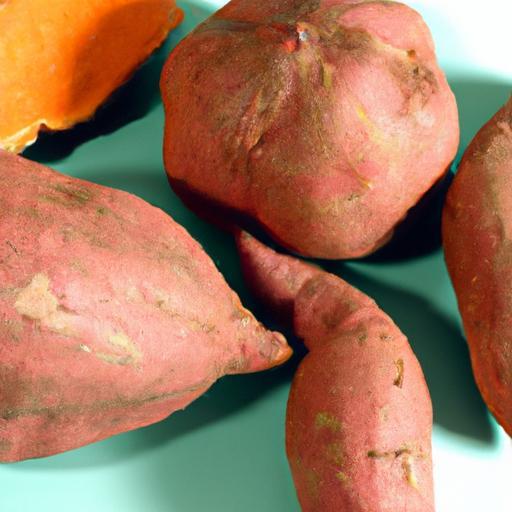
Beneath the vibrant colors and tempting sweetness of our favorite holiday dishes lies a culinary conundrum that has puzzled many: the true difference between yams and sweet potatoes. often used interchangeably in recipes and grocery aisles, these two root vegetables harbor distinct stories, flavors, and textures waiting to be uncovered. In “Yams vs Sweet Potatoes: Unraveling Nature’s Sweet Secrets,” we embark on a journey to peel back the layers of confusion and explore the botanical roots, cultural histories, and nutritional nuances that set these natural sweeteners apart.Prepare to see your familiar favorites in a whole new light as we dive into the flavorful distinctions that make yams and sweet potatoes uniquely delightful.
Yams vs sweet Potatoes: Unraveling Nature’s Sweet Secrets invites you into the engaging world of two beloved roots, each with distinctive origins, textures, and nutritional boons. While often mistaken for one another, these tubers tell very different botanical stories and offer unique culinary possibilities.
prep and cook Time
Preparation: 10 minutes | cooking: 30 minutes | Total Time: 40 minutes
Yield
serves: 4 generous portions
Difficulty Level
Easy – Perfect for cooks eager to explore earthy flavors without fuss.
Ingredients
- 2 medium yams, peeled and cut into 1-inch cubes
- 2 large sweet potatoes (preferably orange-fleshed), peeled and cubed
- 3 tbsp extra virgin olive oil
- 1 tsp smoked paprika
- 1 tsp ground cinnamon
- 2 cloves garlic, minced
- 1 tbsp fresh thyme, chopped
- Salt and freshly ground black pepper, to taste
- 2 tbsp pure maple syrup (optional, for a touch of natural sweetness)
- Fresh parsley for garnish
Instructions
- Preheat your oven to 400°F (200°C). Line a baking sheet with parchment paper to prevent sticking and ensure even roasting.
- In a large bowl, combine the cubed yams and sweet potatoes with olive oil, smoked paprika, ground cinnamon, minced garlic, and thyme. toss well until all pieces are evenly coated. Season generously with salt and freshly ground black pepper.
- Spread the seasoned roots in a single layer on the prepared baking sheet, giving them space for optimal caramelization.
- Roast in the preheated oven for 25-30 minutes, turning halfway through, until the yams are tender and the sweet potatoes display a golden, slightly crispy exterior.
- Remove from oven and immediatly drizzle with maple syrup if desired; toss gently to coat for an enchanting blend of smoky and sweet notes.
- Transfer to a serving platter, garnish with freshly chopped parsley, and serve warm.
Chef’s Notes: Tips for Success
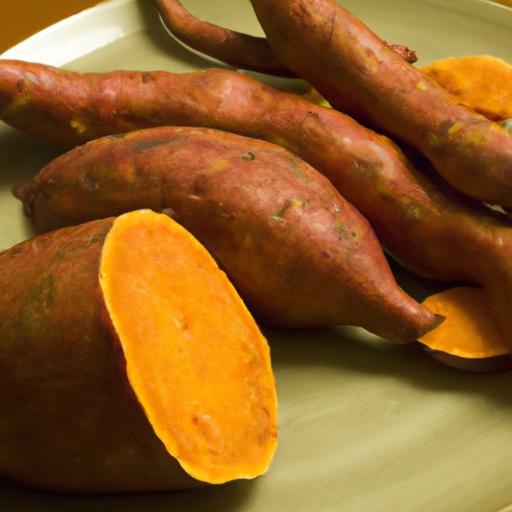
- Choosing Your roots: Select yams with rough, bark-like skin and white to purple flesh for true authenticity. Sweet potatoes have smoother skin with flesh ranging from creamy white to vibrant orange.
- Texture Balance: Yams offer a starchy,drier bite perfect for roasting and mashing,while sweet potatoes deliver a creamy sweetness that shines in purees and baked dishes.
- Make-Ahead Magic: Roast the roots in advance and store in an airtight container in the fridge for up to 3 days. Reheat gently to preserve texture.
- Spice Variations: Swap smoked paprika for cumin or coriander for a warm, earthy twist. Add a pinch of chili flakes to amp up heat if desired.
- Allergy Kind: this recipe is naturally gluten-free and vegan, embracing the wholesome goodness of nature’s sweetest tubers.
Serving Suggestions
To fully celebrate the delightful contrast between yams and sweet potatoes, serve this medley alongside a fresh green salad tossed with lemon vinaigrette, or complement it with creamy avocado slices for richness. these roots also pair beautifully with roasted seasonal vegetables such as Brussels sprouts or sautéed kale. For a festive touch, sprinkle toasted pumpkin seeds or chopped toasted pecans for added crunch and nuttiness.
| Nutrient | Yams (per 100g) | sweet Potatoes (per 100g) |
|---|---|---|
| Calories | 118 kcal | 86 kcal |
| Protein | 1.5 g | 1.6 g |
| Carbohydrates | 27.9 g | 20.1 g |
| Fat | 0.2 g | 0.1 g |

For a deeper dive into how to select and store these roots for longevity and maximum flavor,check out our Ultimate Guide to Storing Root Vegetables.To explore the nutritional science behind these tubers, visit the Nutrition Society for expert-backed insights.
Q&A
Q&A: Yams vs Sweet Potatoes – Unraveling Nature’s Sweet Secrets
Q1: What’s the core difference between yams and sweet potatoes?
A1: Though frequently enough used interchangeably in grocery aisles, yams and sweet potatoes come from entirely different plant families. Yams belong to the Dioscoreaceae family and hail from tropical Africa and Asia. Sweet potatoes, on the other hand, are from the Convolvulaceae family, native to the Americas. Visually and texturally, yams tend to have rough, scaly skin and dry, starchy flesh, whereas sweet potatoes are smoother with a sweeter, moister interior.
Q2: Why do some sweet potatoes get called “yams” in the U.S.?
A2: This confusion dates back to the 20th century when producers wanted to differentiate softer,orange-fleshed sweet potatoes from the firmer,pale varieties. They borrowed the term “yam” from African versions of the tuber to create a catchy marketing label. So, in many American supermarkets, “yams” are really just a specific type of sweet potato.
Q3: How can I tell a yam from a sweet potato in the store?
A3: First off, look at the skin-yams are typically rough, dark brown, and sometimes even bark-like, whereas sweet potatoes have smooth skins that range from light beige to deep orange or even purple. When you slice them open, yams reveal dry, white or purple flesh, while sweet potatoes show moist, creamy, orange or yellow flesh. If you’re eyeing a shiny, orange tuber labeled ”yam,” chances are it’s a sweet potato in disguise.
Q4: Nutritionally speaking, do yams and sweet potatoes offer different benefits?
A4: Both tubers are nutritional powerhouses but with distinct profiles. Sweet potatoes are rich in beta-carotene (especially the orange-fleshed varieties), which the body converts to vitamin A-a vital nutrient for vision and immunity. They also pack fiber and antioxidants. Yams provide a good source of complex carbohydrates and potassium and tend to have a lower glycemic index, making them a slow-release energy source. Both contribute to heart and digestive health, just in their unique ways.
Q5: How do the flavors and textures differ when cooking yams vs. sweet potatoes?
A5: Sweet potatoes are famously sweet,creamy,and soft when cooked,making them perfect for mashes,pies,and soups that coax out their natural sugars. Yams carry an earthier, starchy flavor and a drier, fluffier texture. They lend themselves well to roasting or frying, where their slightly nutty character can shine with just a sprinkle of seasoning.
Q6: Can I substitute yams for sweet potatoes in recipes, or vice versa?
A6: While they can often play stand-ins for each other, the outcome might shift depending on the dish. Sweet potatoes add sweetness and moisture, so swapping in a yam will give you a less sweet, denser result-ideal for savorier preparations. Conversely, using sweet potatoes where yams are expected might add extra sweetness and softness. Experimentation is key!
Q7: Are ther unique cultural traditions tied to yams and sweet potatoes?
A7: Absolutely! Yams hold profound cultural importance in West Africa, especially during yam festivals that celebrate harvest and community prosperity. They’re frequently enough central to ceremonies and customary dishes. In contrast, sweet potatoes have been cherished in Native American and Latin American cultures for centuries, valued for their nutritional qualities and versatility in everyday meals and festivities.
Q8: What’s the best way to store yams and sweet potatoes to keep their flavor and texture intact?
A8: Store both in a cool, dry, well-ventilated place-think pantry rather than fridge-to maintain their natural sweetness and prevent them from becoming watery or moldy. Avoid plastic bags; rather, try paper or woven baskets to allow airflow. Under these conditions, sweet potatoes and yams can stay fresh for several weeks.
Q9: Are there any misconceptions about yams and sweet potatoes that should be cleared up?
A9: The biggest myth is that yams and sweet potatoes are the same. They’re cousins, but not siblings. Another common misconception is that yams are sweeter than sweet potatoes, when in reality, it’s often the reverse. Also, beware of labels in supermarkets-“yams” in many U.S. stores are actually orange-fleshed sweet potatoes.
Q10: How can understanding these differences enhance my culinary adventures?
A10: Knowing your yams from your sweet potatoes opens a whole new world of textures, flavors, and colors to explore. You can tailor dishes by choosing the tuber that best suits your desired taste profile, moisture level, and cultural touchstones. Plus, it sharpens your gratitude for the rich botanical and cultural stories baked into every bite!
Ready to embark on your next kitchen journey? Whether you’re roasting, mashing, or simply savoring them plain, embracing the sweet secrets of yams and sweet potatoes promises a delicious adventure every time.
Wrapping Up
As we peel back the layers of yams and sweet potatoes, their vibrant colors and subtle differences reveal a fascinating story rooted in culture, cuisine, and nature’s ingenuity. Whether you’re drawn to the earthy, starchy charm of the yam or the creamy, caramel notes of the sweet potato, both deserve a place on our plates-and in our appreciation. By understanding their unique origins and qualities, we not onyl satisfy our taste buds but also celebrate the rich diversity of the natural world’s sweetest treasures. So next time you savor one of these humble tubers, remember: you’re indulging in more than just flavor-you’re tasting a piece of history and a slice of nature’s sweet secrets.