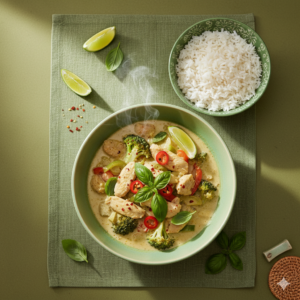




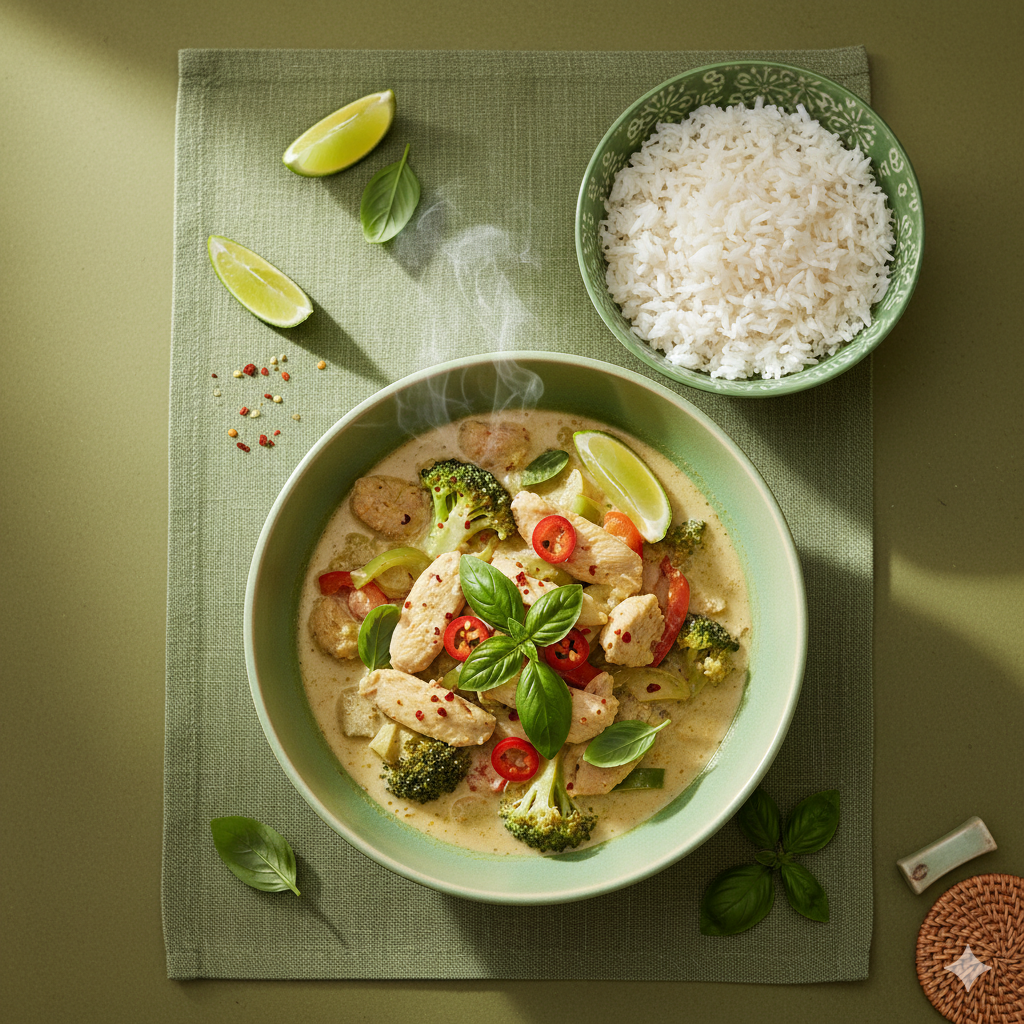
Step into a world where every bite tells a story,and every dish is a vibrant party of culture,history,and bold flavors.welcome to “Discover Yummy Thai: A Flavor Journey Through ThailandS Cuisine,” an exploration of one of the most beloved and diverse culinary traditions on the planet. From the sizzling woks of bustling street markets to the delicate balance of sweet, sour, salty, and spicy in royal palace kitchens, Thai food captivates the senses and invites adventurous eaters to savor a harmonious blend of ingredients that dance on the tongue. Join us as we embark on this appetizing voyage across Thailand’s regions, uncovering the secrets behind iconic dishes and the rich heritage that makes Thai cuisine truly unforgettable.
Discover Yummy Thai flavors through one of Thailand’s most iconic dishes that brilliantly captures the country’s signature balance of sweet, spicy, sour, and salty notes-Tom Yum Goong (Spicy Thai Shrimp Soup). Originating from Central Thailand, this vibrant and comforting soup has long been a favorite for locals and travelers alike. I vividly remember tasting my first bowl in a bustling Bangkok street market, the aroma of lemongrass, kaffir lime leaves, and galangal swirling around me. That moment marked the beginning of my lifelong passion for mastering Thai cooking.This recipe brings the authentic taste of Thailand right into your kitchen, blending fresh herbs and bold seasonings into an unforgettable culinary adventure.
Prep and Cook Time
- Planning: 15 minutes
- Cooking: 20 minutes
- Total Time: 35 minutes
Yield
- Serves 4 people
Difficulty level
- Medium
Ingredients
- 6 cups water or chicken broth (for richer flavor)
- 2 stalks lemongrass, trimmed and smashed
- 5 slices fresh galangal (about 1/4 inch each)
- 3 kaffir lime leaves, torn in half
- 10 medium-sized fresh shrimp, peeled and deveined
- 200g straw mushrooms, halved
- 3 Thai bird’s eye chilies, smashed (adjust based on heat preference)
- 3 tbsp fish sauce
- 2 tbsp fresh lime juice
- 1 tsp palm sugar (or light brown sugar)
- 1 small tomato, cut into wedges
- 2 cloves garlic, minced
- fresh cilantro leaves for garnish
Instructions
- Prepare the broth: In a large pot, bring the water or chicken broth to a gentle boil. add smashed lemongrass, galangal slices, and torn kaffir lime leaves. Let it simmer for 10 minutes to infuse a fragrant base.
- Add mushrooms and tomatoes: Stir in the straw mushrooms and tomato wedges. Allow the vegetables to soften, cooking for about 5 minutes on medium heat.
- Introduce aromatics and seasoning: Drop in the smashed bird’s eye chilies and minced garlic, then add the fish sauce and palm sugar. Stir gently to dissolve the sugar and meld the flavors.
- Cook the shrimp: Add the peeled shrimp and cook until they turn pink and opaque, about 3 minutes. Avoid overcooking to keep shrimp tender and juicy.
- Final touch: Remove from heat and stir in fresh lime juice to brighten the soup’s taste instantly. Adjust seasoning by adding more fish sauce or lime juice according to your preference.
- Serve hot: Ladle the soup into bowls and garnish generously with fresh cilantro leaves for added freshness and vibrant color.
Tips for Success
- Balancing flavors: This dish is all about the perfect harmony.Taste as you go and adjust lime juice for sourness, fish sauce for saltiness, palm sugar for sweetness, and chili for heat.
- Ingredient swaps: If fresh galangal or kaffir lime leaves are unavailable, look for frozen or dried varieties at Asian markets; they still offer authentic flavors.
- Make-ahead: Prepare the broth base a day in advance and refrigerate. Reheat and add fresh shrimp and herbs just before serving for convenience and freshness.
- Vegetarian choice: Replace shrimp with firm tofu and use vegetable broth; skip the fish sauce and substitute with soy sauce or tamari.
Serving Suggestions
Present your Tom Yum Goong in traditional Thai bowls for a genuine experience. Serve alongside fragrant jasmine rice or sticky rice to balance the bold flavors. A side of fresh cucumber slices or a light papaya salad complements well, adding crunch and cooling relief from the spice. For garnish, sprinkle a handful of chopped fresh cilantro and, if desired, thin slices of fresh red chili for vivid color and extra kick. Pair with a refreshing Thai iced tea or coconut water, and you’re set for a truly memorable meal.

| Nutrient | Per Serving |
|---|---|
| Calories | 180 kcal |
| Protein | 20 g |
| Carbohydrates | 8 g |
| Fat | 4 g |
For more exciting recipes that allow you to master Thai curry techniques at home, explore our related articles.Also, check out the Tasty Thailand Travel Guide for insider tips on authentic street food gems and cooking essentials.
Q&A
Q&A: Discover Yummy Thai – A Flavor Journey Through thailand’s Cuisine
Q1: What makes Thai cuisine so unique and beloved around the world?
A1: Thai cuisine is renowned for its vibrant harmony of flavors-balancing sweet,sour,salty,spicy,and bitter in every dish. This intricate layering creates a complex yet perfectly balanced taste experience that awakens the senses. The use of fresh herbs, aromatic spices, and bold sauces contributes to its captivating charm.
Q2: Which ingredients are essential to authentic Thai cooking?
A2: Key ingredients include fragrant lemongrass, zesty kaffir lime leaves, fiery bird’s eye chilies, creamy coconut milk, tangy tamarind, and pungent garlic. Fresh herbs like Thai basil, cilantro, and galangal root also bring distinct aromas that elevate dishes to a new level of deliciousness.
Q3: What are some must-try Thai dishes for someone new to this cuisine?
A3: Start with classics like Tom Yum Goong-a spicy and sour shrimp soup bursting with lemongrass and lime, Pad thai-stir-fried rice noodles tossed with tamarind sauce, peanuts, and fresh lime, and Som Tum-a vibrant green papaya salad offering crunch and heat. Thes dishes beautifully represent the essence of Thai flavors.
Q4: how does regional diversity affect Thai food?
A4: thailand’s cuisine varies widely by region. Northern dishes often feature milder, herbaceous flavors with sticky rice staples, while Northeastern (Isaan) fare showcases bold, spicy, and tangy elements with grilled meats and som tum. Southern Thai dishes lean heavily on rich coconut and intense spices,offering a fiery kick distinct from the rest of the country.
Q5: Are Thai desserts as exciting as the main courses?
A5: Absolutely! thai desserts are frequently enough refreshingly sweet and light, using natural ingredients like mango, coconut milk, and sticky rice. Mango sticky rice is a beloved treat combining ripe mango with creamy, sweet coconut-scented rice, while delicacies like coconut jelly and pandan-flavored sweets elegantly round off any meal.
Q6: how can someone at home recreate the magic of Thai cooking?
A6: Begin with stocking a pantry of essential Thai ingredients such as fish sauce (or vegetarian alternatives), tamarind paste, fresh chilies, and coconut milk. Experiment with simple recipes like Thai-style stir-fries or curries, paying attention to balancing the core flavors-sweetness from palm sugar, sourness from lime, saltiness from fish sauce, and spice from fresh chilies.
Q7: What cultural elements influence the dining experience of Thai cuisine?
A7: Thai meals are traditionally communal, meant to be shared with friends and family. Multiple dishes with varied flavors and textures are served concurrently, encouraging a dynamic interplay of tastes. Eating is as much about connection and celebration as it is about nourishment, reflecting Thailand’s warm and hospitable spirit.
Q8: How does Thai cuisine cater to diffrent dietary preferences?
A8: Thai food inherently offers a variety of vegetarian, vegan, and gluten-free options. Many dishes showcase fresh vegetables, tofu, and rice or noodle bases. With creative substitutions, it’s easy to enjoy the bold and refreshing flavors of Thai cuisine while accommodating personal dietary needs.
This Q&A invites readers to embark on a flavorful adventure, discovering both the rich traditions and exciting possibilities of Thailand’s celebrated culinary heritage.
Final thoughts
As our flavorful journey through thailand’s vibrant cuisine draws to a close, one thing is clear: Thai food is much more then just a meal-it’s a harmonious dance of spices, textures, and traditions that tells the story of a rich cultural heritage. From the fiery kick of a well-balanced curry to the delicate sweetness of mango sticky rice, each bite invites you to explore the heart and soul of thailand. So whether you’re a seasoned foodie or a curious newcomer, let your taste buds be your guide, and discover that the true essence of Thai cuisine lies not only in its ingredients but in the passion and history behind every dish. Embrace the adventure, and may your culinary explorations continue to be as vibrant and unforgettable as the Land of Smiles itself.